
HOA Seawall Maintenance Budgets: A Florida Guide
How HOA boards in Miami-Dade, Broward, and Palm Beach should budget for seawall maintenance, inspection costs, and repair reserves. Real ranges inside.
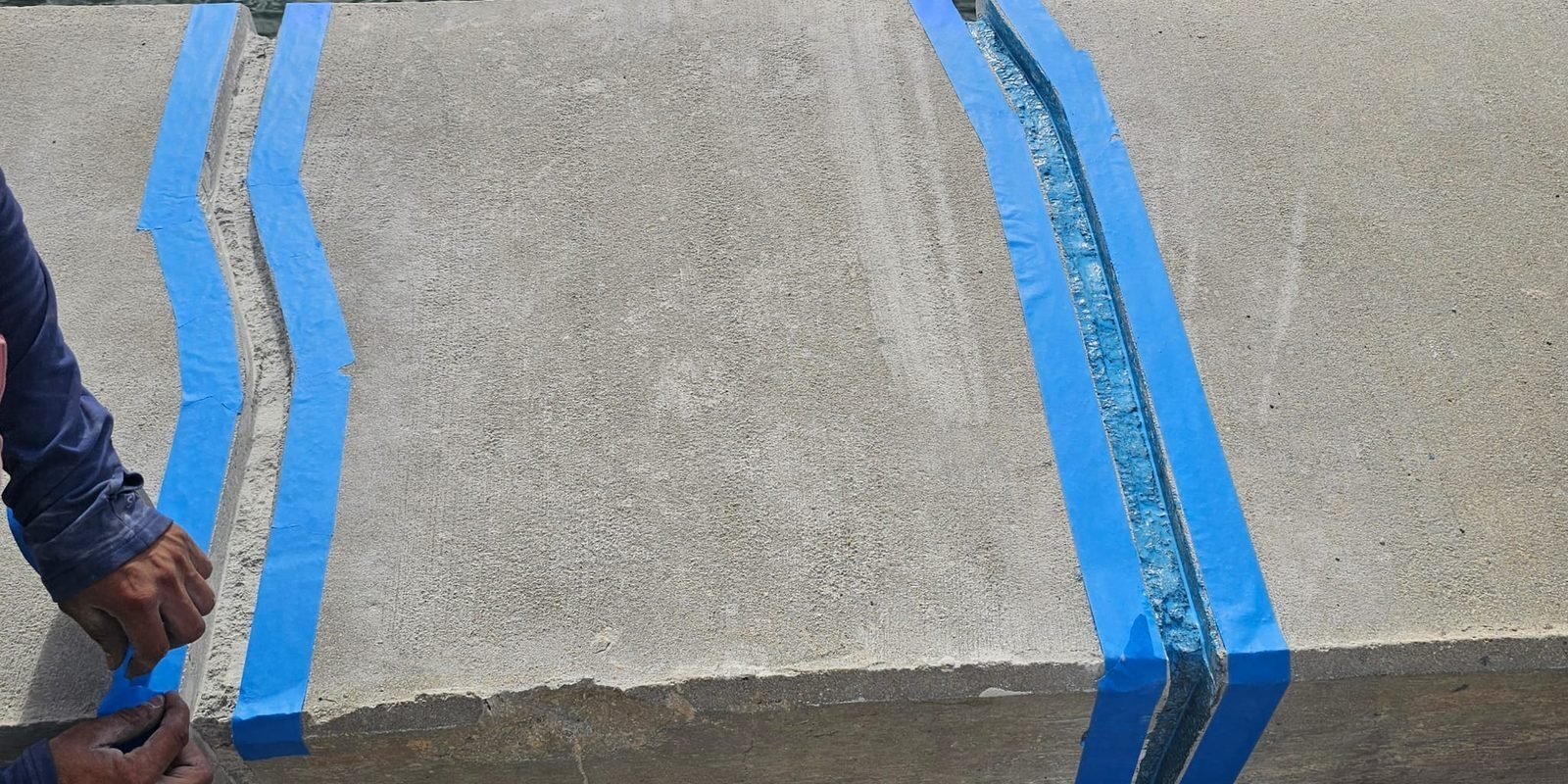
An HOA seawall maintenance budget should account for a periodic structural inspection, routine drainage and cap upkeep, and a repair reserve sized to the wall’s age and construction type. Boards that budget only when a problem appears almost always pay more, because seawall deterioration is far cheaper to address early than after a section fails. This guide breaks down what a board needs to plan for and how to size each line item.
Key takeaways
- A structural seawall inspection is a flat fee, typically $1,500–$3,000 depending on complexity, quoted upfront — not priced by wall length.
- Moderate seawall repairs generally run $100–$250 per linear foot; full panel or tieback replacement can reach $400–$600 per linear foot.
- Boards should schedule a structural inspection every 3–5 years, or sooner after a major storm.
- A dedicated seawall reserve line, separate from general common-area reserves, prevents special assessments.
- Miami-Dade DERM and Florida DEP permitting requirements affect both timeline and cost for any repair work.
Why HOA boards need a dedicated seawall line item
Most HOA reserve studies lump the seawall in with general site improvements, which underfunds it. A seawall is a structural asset exposed to tidal cycles, storm surge, and soil pressure around the clock. Boards that separate the seawall into its own reserve category get a clearer picture of true replacement cost and avoid surprise special assessments when repairs come due.
Waterfront communities in Miami, Fort Lauderdale, and Boca Raton face similar exposure: brackish water, sandy or organic soils, and hurricane season loading. Budgeting the same way regardless of location leaves gaps.
What a structural seawall inspection costs and includes
A professional structural inspection is priced as a flat fee, typically $1,500–$3,000 for a residential or association-scale wall, depending on complexity — not the linear footage of the wall. Complexity factors include site access, whether a below-waterline dive assessment is needed, the number of structural components (cap, panels, piles, tiebacks), and the scope of the written report.
An engineer-led seawall inspection typically evaluates:
- The seawall cap for cracking, spalling, or exposed rebar
- Panels or sheet piling for leaning, bowing, or separation
- Tiebacks — the buried anchors that hold the wall against soil pressure — for tension or failure
- Drainage: weep holes and jets clogged or missing
- Soil loss or voids behind the wall
- Marine growth and material condition below the waterline
The board receives a sealed report from a Florida-licensed structural engineer with a condition rating and prioritized recommendations, not a sales pitch.
Building the maintenance reserve: what to fund and when
Routine maintenance (annual)
Clearing weep holes and jets, monitoring visible cracking, and addressing minor cap spalling before it spreads. Budget a modest annual allowance — most associations spend a few thousand dollars a year on this if the wall is in fair condition.
Structural inspection (every 3–5 years)
Budget $1,500–$3,000 per inspection cycle. Schedule sooner after a hurricane, a nearby dredging project, or any visible settlement along the shoreline.
Repair reserve (ongoing, sized to age and condition)
Moderate repairs — cap patching, localized panel repair, tieback tensioning — generally run $100–$250 per linear foot. Full replacement of panels or tiebacks can reach $400–$600 per linear foot. A board managing a 300-foot community seawall approaching 30–40 years old should be reserving toward six figures over a multi-year horizon, not funding repairs out of an emergency assessment.
Permitting and regulatory factors that affect the budget
Any seawall repair or replacement in South Florida typically requires permitting through Miami-Dade DERM or the equivalent county environmental agency, and may involve the Florida Department of Environmental Protection. Work below the mean high-water line can also require U.S. Army Corps of Engineers review. Permitting adds time — often several weeks to a few months — and boards should build that lead time into any repair timeline, not just the dollar figure.
Signs a board should move up the inspection timeline
- Visible leaning or bulging in wall panels
- Cracking or spalling concentrated in one section rather than spread evenly
- Soil settlement or sinkholes forming near the shoreline edge
- Water intrusion into adjacent common areas during high tide
- Any storm with sustained surge or wave action against the property
Any of these warrants an inspection ahead of the normal 3–5 year cycle, regardless of where the association is in its budget cycle.
Talk to a Florida-licensed engineer
Souffront Contractors is one company for the full process: inspection, engineering, permitting, and construction, with every report sealed by a Florida-licensed structural engineer and every inspection quoted as a fixed fee before the site visit. If your board needs a current condition assessment to build next year’s reserve budget, request a quote below and we’ll respond the same business day.
Frequently asked questions
How much should an HOA budget for seawall inspections?
Budget $1,500–$3,000 per inspection cycle for a residential or association-scale seawall, quoted as a flat fee based on complexity rather than wall length. Most boards should schedule this every 3–5 years, or sooner after a major storm.
How often should an HOA inspect its seawall?
Every 3–5 years under normal conditions. Move the timeline up after a hurricane, visible cracking or leaning, or any noticeable soil settlement near the shoreline.
Is seawall inspection priced by linear foot?
No. A structural seawall inspection is a flat fee, typically $1,500–$3,000, quoted upfront based on the complexity of the assessment. Linear-foot pricing applies to repair and replacement work, not inspections.
What does seawall repair cost per linear foot?
Moderate repairs generally run $100–$250 per linear foot. Full panel or tieback replacement can run $400–$600 per linear foot, depending on wall type and access.
Who permits seawall repairs in Miami-Dade and Broward?
Miami-Dade DERM handles most environmental and seawall permitting locally, with the Florida Department of Environmental Protection and, in some cases, the U.S. Army Corps of Engineers involved depending on the scope and location of the work.
Should seawall reserves be separate from general HOA reserves?
Yes. A seawall is a distinct structural asset with its own deterioration timeline and repair costs. Boards that fund it as a separate reserve line get a more accurate budget and avoid special assessments when repairs come due.
What are early warning signs a seawall needs attention?
Leaning or bulging panels, concentrated cracking or spalling, soil settlement near the shoreline, water intrusion into common areas at high tide, and any storm surge event against the property.
Can one company handle inspection, engineering, and repair?
Yes. Souffront Contractors inspects, engineers, permits, and builds under one company, so a board works with a single point of contact from the initial assessment through completed repairs.
About Souffront Contractors Inc.: a Florida-licensed structural engineering and marine construction firm serving Miami-Dade, Broward, and Palm Beach counties. Hire a trusted seawall contractor in Fort Lauderdale and throughout Broward County — or call (877) 420-7220.
Got a seawall or structural question?
Five fields. Same business day from a Florida-licensed engineer, routed into our dispatch CRM in real time.
- Same business dayAcknowledgment from a Florida licensed engineer — Mon–Fri 8 AM–5:30 PM.
- Engineer-sealed reportAccepted by carriers, building departments, and real-estate transactions.
- Fixed-fee proposalNo hourly billing. Repair scope priced line-by-line.