
How Seawall Condition Affects Property Value in FL
A failing seawall can kill a real estate closing or cost you tens of thousands at the table. Here is what buyers, sellers, and realtors need to know in South Florida.
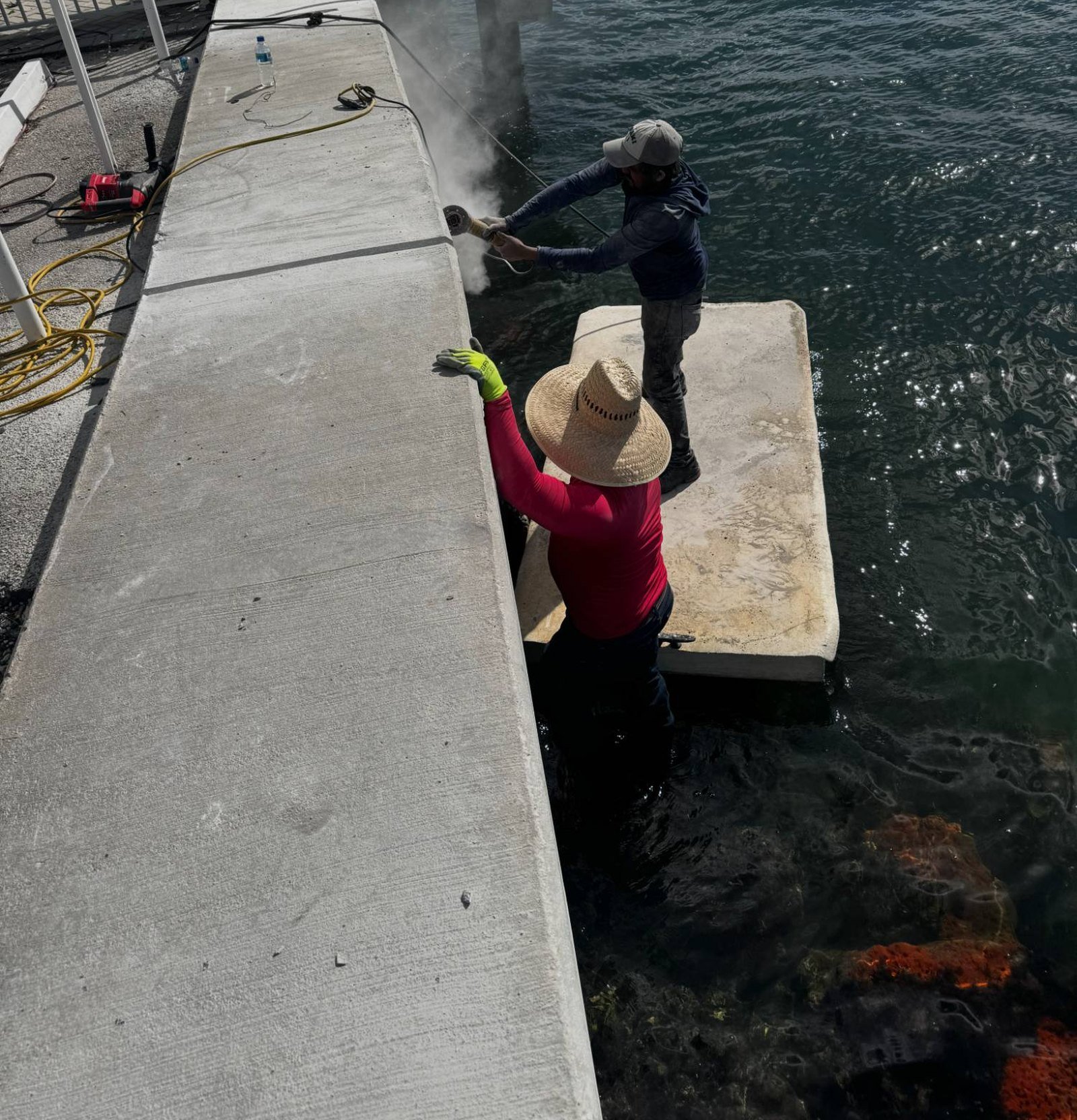
Seawall condition directly affects waterfront property value in South Florida. A structurally compromised wall can reduce your sale price by $30,000 to $100,000 or more, stall a closing, or trigger a cash-only requirement when lenders walk away. For sellers, getting an engineer-sealed inspection report before listing is one of the highest-return decisions you can make. For buyers, skipping it is one of the costliest.
Key takeaways
- Seawall condition is a direct line item in South Florida real estate negotiations — visible deterioration gives buyers immediate leverage to discount or walk.
- Most conventional lenders (Fannie Mae, FHA, VA) will not fund a transaction where the seawall is structurally compromised and not repaired or escrowed.
- A pre-listing seawall inspection — typically $1,500 to $3,000 flat fee — can prevent forced price reductions of $30,000 to $100,000 at closing.
- A Florida-licensed structural engineer’s sealed report carries weight with lenders, title companies, and attorneys that a home inspector’s notes cannot match.
- In Miami-Dade, Broward, and Palm Beach counties, most waterfront parcels require a valid seawall permit for any repair work — a factor that affects closing timelines.
Why seawalls are a first-class issue in South Florida real estate
South Florida has more miles of manmade waterfront than almost any other metro in the United States. Canal-front homes in Miami-Dade, Intracoastal properties in Broward, and bay-front estates in Palm Beach all share one common structural dependency: the seawall. Without a functioning seawall, the land behind it erodes, foundations shift, and the property itself can become uninsurable.
Unlike a leaky roof or aging HVAC, a failing seawall is not a deferred maintenance item you price into a discount and move on. It is a structural and environmental liability. Miami-Dade DERM (Department of Environmental Resources Management) regulates seawall construction and repair, and unpermitted or deteriorating structures can generate code violations that cloud title and complicate any transfer of ownership.
Appraisers know this. Lenders know this. And experienced South Florida realtors know that a seawall issue surfacing mid-contract is among the most common deal-killers in waterfront transactions.
What a buyer’s inspector versus a structural engineer actually checks
A standard home inspection does not include a structural evaluation of a seawall. Most home inspectors note what they can see from the seawall cap — cracks in the concrete cap, visible lean, surface spalling — and flag it for further review. That is where most buyers stop. It is not enough.
A structural seawall inspection by a Florida-licensed engineer goes further:
- Structural integrity assessment — evaluating the seawall panels, tieback rods, deadman anchors, and waler beams for corrosion, cracking, and displacement
- Cap and joint conditions — checking for water infiltration, settlement, and gap separation that indicate soil loss behind the wall
- Below-waterline evaluation — for properties requiring it, an underwater dive inspection of the wall face and toe scour
- Soil and drainage assessment — identifying voids, seepage, or erosion that indicate the wall has already lost the battle with hydrostatic pressure
- Engineer-sealed report — a stamped, professional-of-record document that lenders, title companies, and attorneys accept as authoritative
The difference matters in a negotiation. A home inspector’s comment that a seawall shows signs of distress — recommend further evaluation — gives a buyer general leverage. A structural engineer’s report detailing tieback rod corrosion at 60% section loss, two compromised panels, and an estimated repair scope gives both parties a number to work with and a clear path to closing.
How lenders respond to seawall problems
Conventional lenders are conservative about structural deficiencies. When an appraiser notes a seawall issue and flags it for the underwriter, the most common outcomes are:
- Repair prior to closing — the seller repairs the seawall, provides permits and an engineer sign-off, and the loan proceeds.
- Repair escrow — the lender holds a portion of proceeds in escrow (typically 1.5x the estimated repair cost) until repairs are completed post-closing. Not all lenders accept this for structural issues.
- Loan denial — the lender declines to fund until the property is remediated, effectively converting the transaction to cash-only.
FHA and VA loans are especially sensitive. Both programs require that the property be in safe, sound, and sanitary condition at the time of closing. A structural seawall failure fails that standard. If your buyer is using FHA or VA financing, a seawall issue discovered during the appraisal can end the transaction entirely.
What sellers should do before listing a waterfront property
The smartest move a waterfront seller can make before listing is a pre-listing engineer-sealed seawall inspection report. Here is why:
You control the narrative. If you know the seawall has minor spalling but is structurally sound, you have documentation. If it has a developing problem, you can price for it, repair it before it surfaces in the buyer’s inspection, or disclose it on your own terms with a repair estimate in hand.
You remove the buyer’s leverage. A buyer who discovers a seawall issue during their inspection period holds the upper hand — they can demand a price reduction, demand repairs, or simply walk. A seller who enters that conversation with a sealed engineer’s report, completed permits, and a contractor’s warranty is in a completely different position.
You accelerate the timeline. Waterfront closings that hit a seawall issue mid-contract routinely extend 30 to 60 days while engineering reports, repair bids, and lender re-approvals cycle through. A pre-listing inspection eliminates that delay before it can happen.
The cost of a pre-listing structural inspection — typically $1,500 to $3,000 depending on the complexity of the inspection, quoted as a flat fee before the site visit — is a rounding error compared to a $40,000 price concession under contract pressure.
What buyers and their agents should require
If you are buying a waterfront property in South Florida, build the seawall into your due diligence the same way you build in a roof inspection or a survey. Specifically:
- Request the last permitted seawall inspection or repair records — ask the seller for any engineering reports, permits, or contractor records from the past 10 years.
- Order a structural seawall inspection before your inspection contingency expires — do not rely solely on the home inspector’s notes. A structural engineer’s report runs $1,500 to $3,000 and is money well spent on a million-dollar-plus waterfront acquisition.
- Verify permit status with the county — unpermitted seawall repairs are a liability you inherit at closing. Miami-Dade DERM and Broward County Environmental Protection and Growth Management both maintain permit records online.
- Understand the repair exposure before negotiating credits — a $15,000 cap repair and a full panel replacement involving tieback reconstruction are not the same number. Get a written scope estimate from a licensed marine contractor before accepting or requesting a credit.
If the seawall needs repair, the general industry range for moderate work runs $100 to $250 per linear foot. Full panel and tieback replacement — the most extensive scope — can run $400 to $600 per linear foot. A 100-foot seawall replacement at that level is a $40,000 to $60,000 project. That is the number a buyer needs in hand before accepting a $10,000 credit and assuming the liability.
The real estate cases where seawall condition hits hardest
Three property types in South Florida carry the most seawall risk in transactions:
Older canal-front homes in Miami-Dade and Broward — many constructed in the 1960s and 1970s with concrete panels that are now 50-plus years old. Original tiebacks are corroded. Original deadman anchors may have lost connection. The wall looks intact from the cap but is failing structurally.
Estate sales and investor flips — properties that have changed hands or sat vacant often have deferred seawall maintenance with no documentation. There is no seller history to reference and no record of when the wall was last evaluated.
HOA-managed waterfront communities — in planned communities, the seawall may be common element or unit-owner responsibility depending on the declaration. If it is common element and the HOA has not funded reserves or maintained the wall, the new buyer inherits exposure to a special assessment. For guidance on how HOA boards should approach this, see our services for HOA seawall compliance and engineering reports.
Talk to a Florida-licensed structural engineer
Whether you are a seller preparing to list, a buyer in due diligence, a realtor trying to keep a deal together, or an HOA board managing common waterfront infrastructure, Souffront Contractors provides fixed-fee, engineer-sealed seawall inspections with same-business-day response. Our reports are prepared by Florida-licensed structural engineers, carry professional-of-record stamps, and are accepted by lenders, title companies, and county agencies across Miami-Dade, Broward, and Palm Beach. The inspection fee is quoted flat before we arrive — no surprises. Use the contact form below to get a quote or schedule an inspection. Call (877) 420-7220.
Frequently asked questions
How much does a failing seawall reduce property value in South Florida?
It depends on the severity and the cost to remediate. A seawall with minor surface deterioration that is still structurally sound may have no measurable impact. A seawall requiring full panel and tieback replacement — a $40,000 to $80,000 scope on a 100-foot wall — will typically generate a buyer demand for a price concession of at least that amount, often more due to the financing complications involved. In the worst cases, a compromised seawall converts a financed buyer into a cash-only transaction, shrinking your buyer pool and reducing sale price accordingly.
Do lenders require a seawall inspection before approving a waterfront mortgage?
Lenders do not automatically require a standalone seawall inspection, but appraisers are required to note visible structural deficiencies. If an appraiser flags the seawall as compromised, the underwriter will typically require a structural report and, depending on severity, completion of repairs before funding. FHA and VA loans hold the highest standard — they require the property to be structurally sound at closing, which includes the seawall.
Who is responsible for seawall repairs in an HOA community?
It depends on the HOA’s governing documents — specifically, the declaration of condominium or covenants. In many planned communities, the seawall is common element and the HOA’s responsibility. In others, it falls to the unit owner whose property line abuts the waterway. This distinction matters enormously at closing: if the seawall is HOA-managed and the reserve fund is underfunded, a buyer could face a special assessment within months of purchase. Always request the HOA’s reserve study and board meeting minutes before closing on a waterfront unit.
Can I sell a waterfront property with a compromised seawall?
Yes, but your options narrow. You can disclose the condition and price accordingly, repair it before listing, offer a repair credit at closing (subject to lender acceptance), or market the property as cash-only. Each path has tradeoffs. The cleanest route — and the one that preserves the most value — is a pre-listing engineer inspection followed by targeted repairs with permits, which allows you to list with documentation and a clear structural story for any buyer’s lender.
How long does a seawall inspection take, and what does it cost?
A structural seawall inspection by a Florida-licensed engineer typically takes two to four hours on site, depending on the wall’s length, access conditions, and whether an underwater evaluation is warranted. The inspection fee is charged as a flat fee — typically $1,500 to $3,000 depending on the complexity of the inspection — and is quoted upfront before the site visit. The sealed written report is generally delivered within three to five business days.
What is the difference between a home inspection and a structural seawall inspection?
A home inspector performs a general visual property inspection and will note obvious seawall conditions — visible cracking, lean, or settlement — but is not licensed to perform a structural engineering assessment. A structural seawall inspection is performed by a Florida-licensed structural engineer, evaluates the load-bearing components (panels, tiebacks, deadman anchors, waler beams), and results in an engineer-sealed report that lenders, title companies, and attorneys can rely upon. If a seawall issue comes up in a transaction, only the engineering report carries legal and lender weight.
How do I find out if a seawall has been permitted and inspected in Miami-Dade or Broward?
Miami-Dade DERM maintains permit records for coastal and seawall construction through the county’s online permitting portal. Broward County’s Environmental Protection and Growth Management Division tracks similar permits. You can also search property permit history through each county’s building department. For any property where records are incomplete or unavailable, a current engineer-sealed inspection is the authoritative baseline — it documents present structural condition regardless of what was or was not permitted previously.
What repairs are most commonly needed on aging South Florida seawalls?
The most frequent repair scopes on walls 20-plus years old in South Florida include: tieback rod replacement or re-anchoring (tiebacks corrode in the saltwater environment and lose load capacity over time), panel crack injection and reinforcement, cap replacement where water infiltration has caused spalling and rebar corrosion, and deadman anchor rehabilitation where soil movement has disconnected the anchor from the tieback system. A structural inspection identifies which components are at or near the end of serviceable life so repairs can be scoped and priced before they become emergencies. Learn more about what repair work typically involves on our seawall repair services page.
About Souffront Contractors Inc.: a Florida-licensed structural engineering and marine construction firm serving Miami-Dade, Broward, and Palm Beach counties. Arrange a seawall inspection in Broward County with same-week scheduling — or call (877) 420-7220.
Got a seawall or structural question?
Five fields. Same business day from a Florida-licensed engineer, routed into our dispatch CRM in real time.
- Same business dayAcknowledgment from a Florida licensed engineer — Mon–Fri 8 AM–5:30 PM.
- Engineer-sealed reportAccepted by carriers, building departments, and real-estate transactions.
- Fixed-fee proposalNo hourly billing. Repair scope priced line-by-line.