
Spalling Concrete on a Seawall: What It Means
Spalling concrete on a seawall signals active corrosion inside the structure. Learn what causes it, how engineers rate severity, and repair cost ranges.
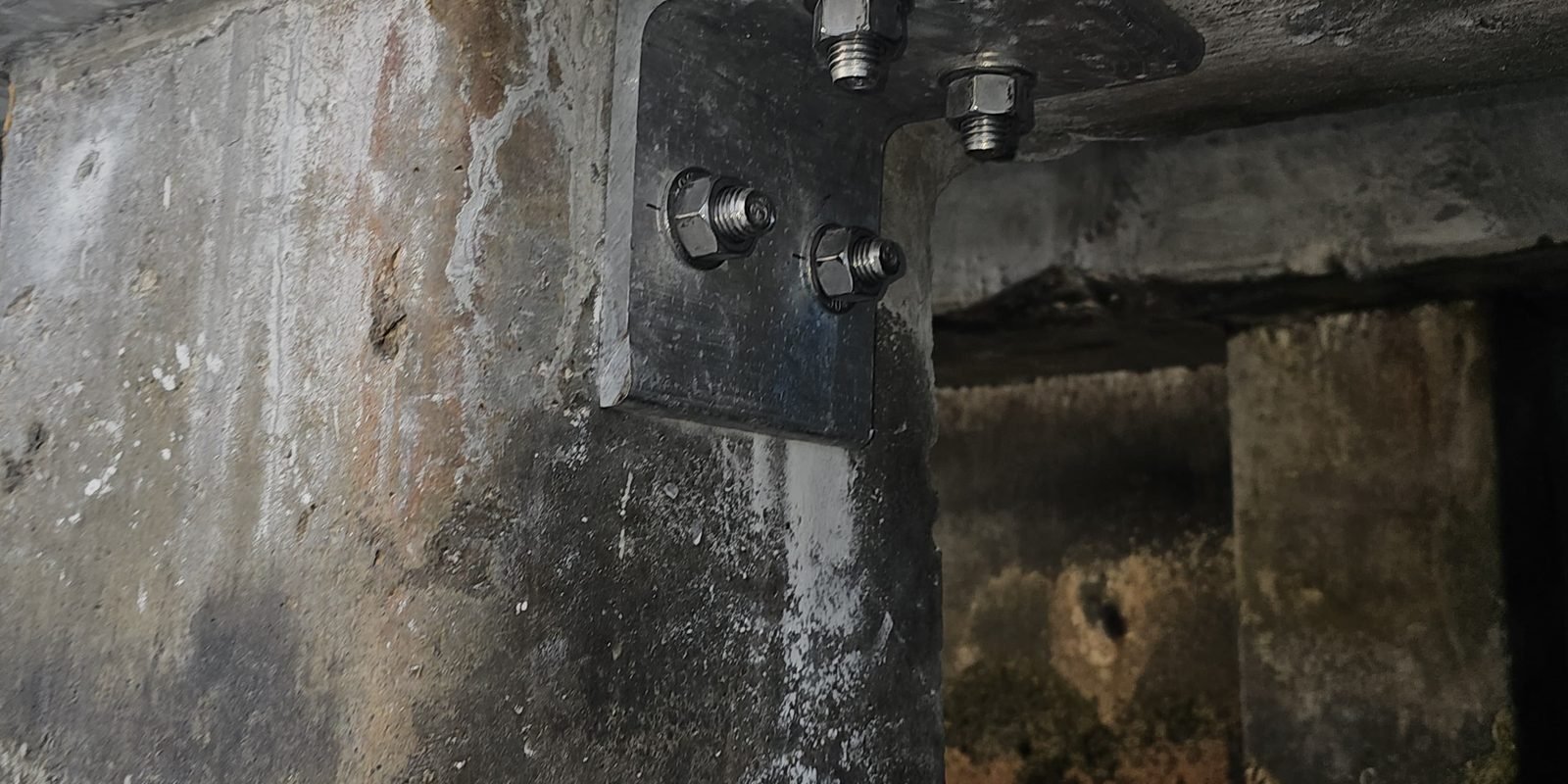
Spalling concrete on a seawall means the surface layer is cracking and breaking away, almost always because the steel reinforcement inside the concrete is corroding and expanding. It is not just a cosmetic problem — it is a visible symptom of a structural process happening inside the wall. Souffront Contractors inspects and repairs spalling seawalls throughout Miami-Dade, Broward, and Palm Beach, and the pattern, depth, and location of the spalling determine whether the fix is cosmetic patching or full panel replacement.
Key takeaways
- Spalling is caused by corroding rebar inside the concrete, which expands and cracks the surrounding concrete outward.
- Salt water, brackish canal water, and chloride-laden soil accelerate corrosion far faster than freshwater environments.
- Spalling near the waterline or below grade is more serious than spalling on an exposed cap, because it often signals section loss in load-bearing steel.
- A structural inspection identifies whether spalling is surface-level or has already compromised the wall’s reinforcement.
- Repairs are priced per linear foot — moderate patching runs roughly $100–$250 per linear foot, while full panel or tieback replacement runs roughly $400–$600 per linear foot.
What spalling concrete looks like on a seawall
Spalling shows up as chunks of concrete breaking off the panel, cap, or pile, often exposing rusted rebar underneath. Early signs are subtler:
- Hairline cracks running parallel to the waterline
- Reddish-brown rust staining bleeding through the concrete surface
- A hollow sound when the concrete is tapped with a hammer
- Small pieces of concrete debris accumulating at the base of the wall
By the time a chunk of concrete has visibly fallen away, the corrosion process has usually been active for months or years. The visible spall is the end stage of a problem that started inside the wall, out of sight.
Why concrete spalls: the corrosion cycle
Reinforced concrete relies on steel rebar for tensile strength. Concrete itself normally protects that steel from rust. Spalling begins when water and chloride ions (salt) penetrate the concrete and reach the rebar, breaking down the protective alkaline layer around the steel.
Once corrosion starts, the chemical reaction causes the steel to expand — rust occupies up to seven times the volume of the original steel. That expansion pushes outward against the surrounding concrete until it cracks and eventually breaks free. This is why spalling is often called a “corrosion cycle”: exposed rebar corrodes faster once the concrete cover is gone, which accelerates further spalling nearby.
South Florida seawalls face this cycle faster than inland concrete structures because they sit in constant contact with saltwater or brackish canal water, and because Miami, Fort Lauderdale, and similar coastal cities sit inside Florida’s High-Velocity Hurricane Zone, where structures also take on repeated wave and storm stress.
Tiebacks and hidden corrosion
A tieback — the buried steel rod or cable that anchors a seawall against the soil pressure behind it — can corrode without any visible spalling at all, since it’s underground. Surface spalling on the cap or panel is often the first visible clue that corrosion is active somewhere in the system, which is why a full inspection looks beyond just the exposed concrete.
What spalling means structurally
Not all spalling carries the same risk. Location and depth matter more than the size of the visible chunk that broke off.
- Cap spalling (above waterline, non-load-bearing sections): Often cosmetic to moderate. Still needs repair to stop the corrosion from spreading, but rarely an immediate safety issue on its own.
- Panel spalling near or below the waterline: More serious. The panel is a primary load-bearing element holding back soil and water pressure; corrosion here reduces the steel’s effective cross-section and its ability to resist bending forces.
- Spalling at pile-to-cap connections: Higher concern. These connections transfer load between vertical piles and the horizontal cap; section loss at a connection point can affect the whole wall’s stability, not just one panel.
- Spalling combined with visible rebar loss or soil voids behind the wall: Indicates advanced deterioration and warrants prompt engineering evaluation.
A property owner cannot reliably judge severity from the surface alone. Two walls with similar-looking spalls can have very different amounts of underlying steel section loss.
How engineers assess spalling during an inspection
During a structural seawall inspection, a Florida-licensed structural engineer documents each spall’s location, size, and depth, then evaluates:
- How much of the rebar cross-section has corroded away, where exposed
- Whether the spalling is isolated or spreading in a pattern that suggests systemic chloride penetration
- Whether the affected component is load-bearing (panel, pile, tieback) or cosmetic (exposed cap edge)
- Above-waterline conditions plus a below-waterline review where access allows, since spalling frequently continues below the visible waterline
- Soil conditions behind the wall, checking for voids that spalling and cracking can create pathways for
The findings go into an engineer-sealed report with a condition rating and specific repair recommendations, so the property owner has a documented basis for repair decisions, insurance conversations, or HOA board approval.
Repair options and typical costs
Repair scope depends entirely on what the inspection finds:
- Surface patching / spall repair: Removing deteriorated concrete, treating exposed rebar, and repouring with a bonding agent. Appropriate for isolated, shallow spalls with minimal section loss.
- Partial panel or cap replacement: Needed when corrosion has significantly reduced rebar cross-section in a specific area.
- Full panel and tieback replacement: Required when corrosion is widespread or tiebacks have failed.
These repairs are priced by linear foot of wall, not as a flat fee: moderate repairs generally run $100–$250 per linear foot, and full panel or tieback replacement generally runs $400–$600 per linear foot. These are general South Florida industry ranges, not a quote — actual pricing depends on the inspection findings. A seawall inspection itself is priced differently: it’s a flat fee, typically $1,500–$3,000 depending on the complexity of the inspection, quoted upfront before any site visit, and is never priced per linear foot.
When to call a structural engineer
Schedule an inspection promptly if you notice:
- Any concrete breaking away and exposing rebar
- Rust staining spreading across the cap or panel surface
- New cracking that wasn’t there during the last visual check
- Soil settling or a visible gap forming behind the wall
- Spalling near a dock, seawall cap edge, or any area bearing structural or foot traffic load
Spalling that’s caught early and repaired is far less expensive than spalling left to progress into full panel failure. Waiting typically converts a patching job into a replacement job.
Talk to a Florida-licensed engineer
If you’re seeing spalling concrete, rust staining, or cracking on your seawall, don’t guess at the cause. Souffront Contractors provides a fixed-fee, engineer-sealed inspection with same-business-day response, so you get a documented condition assessment and clear repair recommendations before any work begins. One licensed engineering and construction firm handles the inspection, the engineering, the permitting, and the repair — no handoffs between separate companies. Call (877) 420-7220, or use the form below to schedule.
Frequently asked questions
Is spalling concrete on a seawall dangerous?
It depends on location and severity. Spalling on an exposed cap edge is often cosmetic to moderate, but spalling near the waterline, at pile-to-cap connections, or combined with exposed, heavily corroded rebar can indicate reduced structural capacity. An inspection is the only reliable way to know which situation you have.
Can spalling concrete be repaired without replacing the whole wall?
Often, yes. Isolated, shallow spalls with limited rebar section loss can typically be patched. Widespread spalling, failed tiebacks, or significant section loss across multiple panels usually requires partial or full panel replacement instead.
What causes concrete to spall on a seawall in the first place?
Saltwater and chloride-laden soil penetrate the concrete and corrode the steel rebar inside it. Corroding steel expands, cracking and eventually breaking off the surrounding concrete. This is why spalling is much more common on coastal seawalls than on inland concrete structures.
How much does it cost to repair spalling concrete on a seawall?
Moderate patch repairs generally run $100–$250 per linear foot. Full panel or tieback replacement, needed when corrosion is more advanced, generally runs $400–$600 per linear foot. The exact cost depends on what an inspection finds.
How much does a seawall inspection cost?
A seawall inspection is a flat fee, typically $1,500–$3,000 depending on the complexity of the inspection — not a per-linear-foot charge. The fee is quoted upfront before any site visit.
Does spalling always mean the seawall is failing?
No. Spalling is a warning sign, not automatically a failure. Many spalled seawalls are structurally sound once the affected concrete is repaired and the corrosion is addressed. Left unaddressed for years, however, spalling can progress into more serious structural issues.
How often should I check my seawall for spalling?
A visual check after major storms is a good habit for any waterfront property owner. Beyond that, a periodic structural inspection by a licensed engineer is the most reliable way to catch spalling and corrosion before they progress, particularly on walls older than 15–20 years.
Can I patch spalling concrete myself?
Surface patching without addressing the underlying corroded rebar typically fails within a short time, since the corrosion continues underneath the new patch. Proper repair requires removing concrete back to sound material, treating or replacing the exposed steel, and repouring — work generally handled by a licensed structural contractor after an engineering assessment.
About Souffront Contractors Inc.: a Florida-licensed structural engineering and marine construction firm serving Miami-Dade, Broward, and Palm Beach counties. Schedule a professional seawall inspection with a licensed structural engineer — or call (877) 420-7220.
Got a seawall or structural question?
Five fields. Same business day from a Florida-licensed engineer, routed into our dispatch CRM in real time.
- Same business dayAcknowledgment from a Florida licensed engineer — Mon–Fri 8 AM–5:30 PM.
- Engineer-sealed reportAccepted by carriers, building departments, and real-estate transactions.
- Fixed-fee proposalNo hourly billing. Repair scope priced line-by-line.