
Who Owns DERM Permitting on Your Seawall Project?
DERM permit conditions govern a seawall project daily, not just on approval day. Here's who actually owns that coordination on an HOA job — and why the answer is often no one.
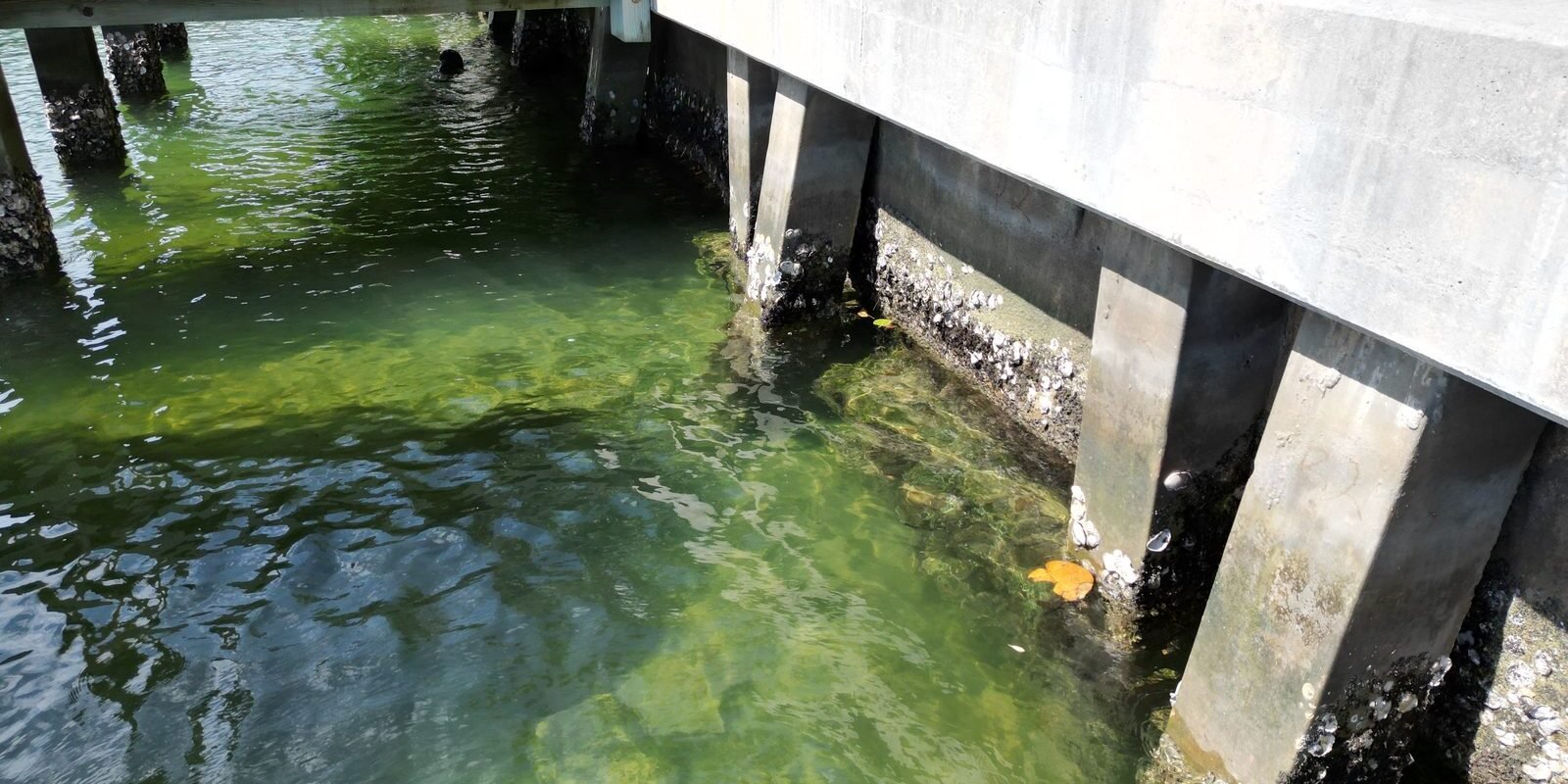
On most Coconut Grove and Biscayne Bay HOA seawall jobs, DERM permitting on a seawall project belongs to no one by default. The engineer who wrote the original inspection report is on the next job. The contractor pulls the permit in his own name and reads the conditions that affect his schedule, not the ones that protect the association. The board — volunteers with day jobs — gets copied on permit correspondence they were never trained to interpret. Souffront Contractors fills that gap with construction management: one Florida-licensed structural engineer who owns DERM coordination from application through closeout, on the board’s behalf.
Key takeaways
- A Miami-Dade DERM seawall permit sets ongoing conditions — turbidity control, work windows, staging limits — not just a one-time approval.
- On a typical HOA job, no single party is assigned to track those conditions day to day; the contractor, the property manager, and the board each own a different slice.
- The role that closes that gap is usually called construction management, owner’s representative, or the board’s engineer — same job, different names.
- Construction management is scoped and quoted per project upfront; it is never priced against the $1,500–$3,000 flat-fee range that applies to inspections only.
- Coconut Grove, Key Biscayne, and Coral Gables condo boards run the most DERM-permitted seawall work in the county, and the most permit-condition violations.
Construction management: who actually owns DERM coordination
Ask five people on an HOA seawall project who is responsible for the DERM permit, and you’ll get five different answers, none of them complete. The construction manager acting as the board’s owner’s representative is the role built to close that gap — also called an owner’s representative, owner’s agent, or simply the board’s engineer. It is one Florida-licensed structural engineer assigned as the association’s single point of contact for the life of the project, including every piece of agency paperwork attached to it.
That person doesn’t replace the contractor and doesn’t replace the engineer of record on the permit application. The role is to observe, review, verify, and document — reading every permit condition when it’s issued, tracking which ones apply to which phase of work, and telling the board in plain language when something on site doesn’t match what the permit allows.
What a DERM seawall permit actually requires
A Miami-Dade DERM seawall permit isn’t a single approval you get once and forget. It’s a packet of ongoing conditions tied to specific phases of construction. Common ones on a residential or HOA seawall job include:
- Turbidity control — a curtain or barrier that has to stay deployed for the entire time pilings are driven or soil is disturbed, not just during inspections.
- Work-hour and seasonal windows — restrictions tied to manatee protection periods or noise ordinances in residential canals.
- Elevation and setback requirements — the new cap has to meet a specified elevation, and the wall face has to sit within an approved distance of the property line and submerged land.
- Staging and access limits — where equipment and materials can sit, especially on narrow lots with shared docks or seawalls that touch a neighboring property.
Miss one of these mid-project and DERM can issue a stop-work order. That’s a schedule delay measured in weeks, not days, and it lands on the board’s desk with no engineer there to explain what happened or fix it.
Where the coordination gap actually shows up on site
This is the common failure pattern, not a hypothetical: a turbidity curtain condition requires the barrier deployed continuously while pilings are driven. The contractor’s crew pulls it partway to move a barge, finishes the day’s work, and doesn’t redeploy it until the next morning. Nobody photographs it, nobody flags it, and it only surfaces if a DERM field inspector happens to show up during that window — at which point it’s the board’s name on the permit, not the contractor’s crew.
The same gap shows up with pay applications and change orders. A contractor bills for tieback installation the same week DERM’s inspection log shows the crew wasn’t on site. A “differing condition” change order arrives for $40,000 in soil work that a Florida-licensed structural engineer, reading the original geotechnical report, would recognize as something the original bid should have already accounted for. Without someone assigned to check both documents against each other, the board approves it because no one on the board is equipped to say no.
Disclosure: when the same firm coordinates permits and bids the repair
Souffront both performs marine construction and offers oversight-only engagements, and that dual role should be stated plainly rather than left for a competitor to raise later. A board can hire Souffront strictly for permit and construction-management oversight, with no repair work attached. If Souffront also has an interest in bidding the seawall repair or seawall construction itself, that interest is disclosed to the board in writing before the bid process starts — the same disclosure standard the firm already applies under Florida’s HB 913 requirements for inspection reports. A board that wants a fully independent set of eyes on DERM compliance can engage the oversight role on its own, separate from any construction contract.
What permit coordination looks like in practice
On an active HOA seawall job, DERM and permit coordination isn’t a single task — it’s a running checklist tied to the construction schedule:
- Permit review at issuance — reading every condition before mobilization, not after a violation notice arrives.
- Milestone site observation — being present for tieback installation, cap pour, and backfill, the points where a missed condition is hardest to reverse.
- Photo and log documentation — dated records that prove compliance if DERM or the county building department ever questions the work.
- Pay application cross-check — confirming billed work matches completed, permitted work before the board signs a check.
- Closeout — as-builts, permit close-out with DERM and the local building department, and warranty documentation handed to the next board.
Because Souffront Contractors inspects, engineers, permits, and builds seawalls directly, the engineer reviewing your contractor’s seawall repair or replacement work has actually run that same scope of work — which is a different level of review than a property manager cross-checking paperwork against a permit they didn’t write.
Talk to a Florida-licensed engineer
If your board has an open DERM permit and no one assigned to track its conditions, or a change order that needs a second opinion before it’s approved, get a Florida-licensed structural engineer on the file before the next milestone, not after a stop-work order. Construction management and permit coordination are scoped and quoted per project, upfront, before any commitment. A structural engineer inspection of the current condition is often the right starting point. Call (877) 420-7220, or use the form below to start the conversation.
Frequently asked questions
Who is responsible for DERM permit compliance on an HOA seawall project?
By default, no single party owns it. The engineer of record’s job typically ends at the permit application, the contractor tracks only the conditions that affect his own schedule, and the board rarely has the technical background to interpret permit language. A construction manager acting as the board’s owner’s representative is the role built to take ongoing responsibility for tracking and documenting compliance.
What does a Miami-Dade DERM seawall permit actually require?
It typically sets conditions on turbidity control during pile driving, work-hour and seasonal restrictions tied to manatee protection, cap elevation and setback requirements, and limits on where equipment can stage. These conditions apply throughout construction, not only at the initial approval.
Can the contractor just handle DERM coordination directly?
A contractor can and often does interact with DERM inspectors on site, but his priority is finishing his scope on schedule, not protecting the board’s interests if a permit condition and the construction schedule conflict. Separating that oversight role from the construction contract gives the board an independent check.
What is an owner’s representative on a seawall project?
An owner’s representative — also called a construction manager or the board’s engineer — is a Florida-licensed structural engineer engaged as the association’s single point of contact for a project: writing scope documents, reviewing bids, observing construction at key milestones, checking pay applications and change orders, and coordinating with permitting agencies like DERM.
Does Souffront charge extra to also bid the repair work if it’s providing oversight?
No pricing arrangement of that kind exists by default. If Souffront has an interest in bidding the seawall repair or construction while also providing oversight, that interest is disclosed to the board in writing before bidding starts, and a board can choose oversight-only engagement with no construction contract attached.
How much does construction management cost on a seawall project?
It’s scoped and quoted per project before work starts — there’s no flat published rate, because scope varies with project size and complexity. That’s different from a seawall inspection, which runs a flat $1,500–$3,000 depending on complexity and is quoted before any site visit.
What happens if a DERM permit condition is violated mid-project?
DERM can issue a stop-work order, which typically halts the project for weeks while the violation is corrected and the agency signs off on resuming work. Documented, ongoing compliance tracking is the main way to catch a condition slipping before it becomes a violation notice.
Does this apply outside Miami-Dade County — Broward or Palm Beach?
The same coordination gap exists anywhere a seawall project needs agency permitting — Broward and Palm Beach County building departments and the Florida Department of Environmental Protection issue comparable conditions. Miami-Dade DERM is the primary agency for Biscayne Bay corridor projects, including Coconut Grove, Key Biscayne, and Coral Gables.
Related from Souffront Contractors: HOA and condo board compliance reports — all delivered by the same Florida-licensed structural engineering and marine construction team. Call (877) 420-7220.
Souffront works directly with the HOA board, the condo association and the property manager or CAM, delivering the documentation a board needs to act and to show it acted.
About Souffront Contractors Inc.: a Florida-licensed structural engineering and marine construction firm serving Miami-Dade, Broward, and Palm Beach counties. Reach a licensed seawall contractor in Boca Raton and across Palm Beach County — see our seawall contractors page or call (877) 420-7220.
Got a seawall or structural question?
Five fields. Same business day from a Florida-licensed engineer, routed into our dispatch CRM in real time.
- Same business dayAcknowledgment from a Florida licensed engineer — Mon–Fri 8 AM–5:30 PM.
- Engineer-sealed reportAccepted by carriers, building departments, and real-estate transactions.
- Fixed-fee proposalNo hourly billing. Repair scope priced line-by-line.