
How to Vet a Seawall Contractor in Miami: Checklist
Vetting a seawall contractor in Miami? Learn which licenses, insurance, and engineering credentials to verify before signing, plus red flags to avoid.
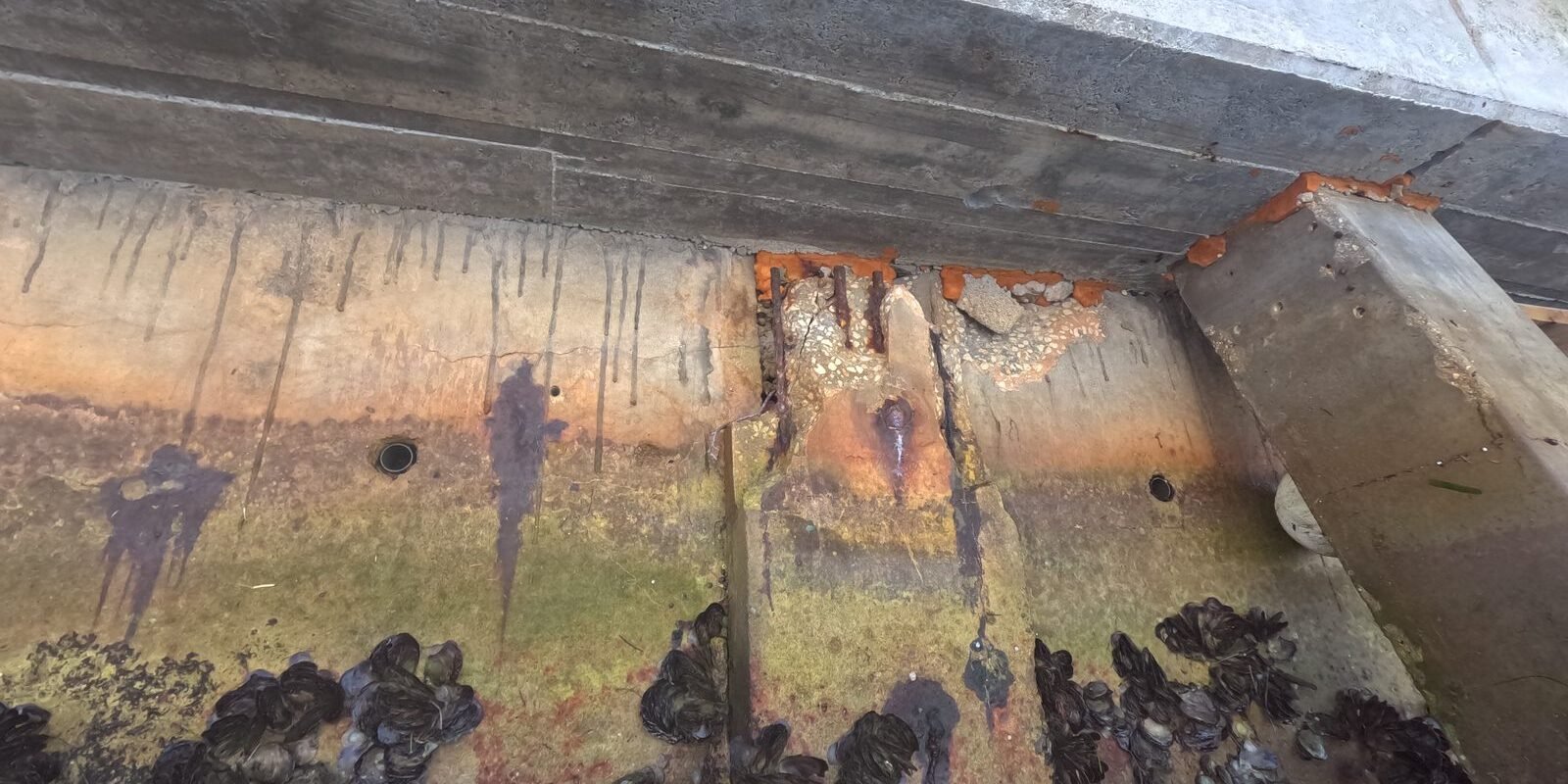
Vetting a seawall contractor in Miami means confirming three things before any contract is signed: an active Florida contractor license, current general liability and workers’ compensation insurance, and real engineering involvement — not a sales pitch dressed up as an inspection. Souffront Contractors is built around all three, because a bad seawall repair costs far more than the repair itself once it fails again.
Key takeaways
- Verify the contractor’s license directly with the Florida DBPR license search — never take a license number at face value.
- Confirm general liability and workers’ compensation insurance with a certificate of insurance issued directly by the carrier, not a photo or PDF from the contractor.
- A qualified seawall contractor should be able to show engineering judgment, not just a repair estimate — ask who evaluates the structure and how.
- Miami-Dade permitting for seawall work usually involves DERM review; a contractor unfamiliar with that process is a red flag.
- A written, itemized scope of work with fixed pricing protects you far more than a verbal quote or a handshake deal.
Start with the Florida contractor license
Every contractor performing seawall construction or repair in Florida needs an active state or county-issued license appropriate to marine/waterfront work. Do not rely on a license number printed on a truck door or business card. Search the number yourself on the Florida Department of Business and Professional Regulation (DBPR) license lookup and confirm three things: the license is active, it has no open disciplinary history, and the license type actually covers marine construction.
A contractor who resists giving you a license number, or gives you one that doesn’t match the company name on the estimate, is disqualifying. This is a five-minute check that eliminates a large share of unqualified bidders before you ever discuss price.
Watch for these licensing red flags
- A license registered to a different company name than the one on your proposal
- A license that lapsed and was reinstated multiple times
- “Handyman” or general residential licenses being used for structural marine work
- Reluctance to put the license number in writing on the contract
Confirm insurance before any work starts
Seawall and dock work happens over and adjacent to water, often with heavy equipment on a barge or a crane positioned near the property line. If a worker is injured or a neighboring structure is damaged, an uninsured or underinsured contractor makes that your financial problem. Ask for a certificate of insurance (COI) sent directly from the contractor’s insurance broker or carrier — not a scanned document the contractor emails you.
At minimum, confirm:
- General liability coverage, with limits appropriate to the project size (commercial and HOA jobs typically require $1 million or more per occurrence)
- Workers’ compensation coverage for every crew member on site, including subcontractors
- Marine/waterfront-specific coverage where the scope includes pile driving, diving, or barge-based work
Request that your name (or your HOA/association) be listed as a certificate holder. This gets you notified automatically if the policy lapses mid-project — a common failure point on longer jobs.
Ask who is doing the engineering — and how
A seawall repair estimate without engineering behind it is a guess dressed up as a quote. Before hiring, ask directly: who evaluates the wall’s actual condition, what method do they use, and is that person a Florida-licensed structural engineer? Reputable firms will name the person and describe the process — visual assessment above the waterline, evaluation of the cap and panels, and where warranted, a below-waterline check of the toe and footing.
Companies that combine seawall inspection and construction under one roof, rather than outsourcing the engineering to a third party after the sale, tend to catch problems earlier because the same team that diagnosed the wall is accountable for fixing it correctly. Ask whether the report you receive is engineer-sealed, and ask to see a sample before you commit.
Questions that separate real engineering from a sales estimate
- “Who physically inspects the wall, and what is their license or role?”
- “Will I receive a written, sealed report, or just a repair proposal?”
- “What specific damage did you find, and where — panels, cap, piles, tiebacks, or soil loss behind the wall?”
- “What happens if the scope changes once repair work is underway?”
Understand Miami-Dade permitting before you sign
Most seawall repair and construction work along Biscayne Bay, the Miami River, and residential canals requires review by Miami-Dade DERM (the county’s environmental resources management department), and some projects also require review under Florida DEP coastal construction rules. Work below the mean high water line can also fall under U.S. Army Corps of Engineers jurisdiction. Ask any bidder directly whether they pull and manage these permits themselves, or whether that falls back on you.
A contractor unfamiliar with local permitting timelines, or one who suggests skipping permits to move faster, is a serious warning sign. Unpermitted seawall work can trigger stop-work orders, fines, and complications when the property is later sold or inspected.
Get a written scope, not a verbal quote
Before work begins, insist on a written proposal that itemizes the scope: which sections of the wall are being repaired, what materials are specified, what the payment schedule looks like, and what warranty applies to the finished work. Verbal estimates and one-line invoices leave no record if the work doesn’t match what was promised.
For any project involving structural repair — not routine maintenance — ask whether a special inspector will be involved to verify the work meets Florida Building Code requirements as it’s completed, particularly for HVHZ (High-Velocity Hurricane Zone) compliance. This third layer of verification, separate from the crew doing the physical work, is standard practice on commercial and HOA projects and worth requesting on residential jobs too.
Compare bids on scope, not just price
Low bids on seawall repair are frequently low because they exclude engineering, permitting, or below-waterline evaluation — costs that surface later as change orders. When comparing proposals from different seawall repair companies, line up each bid against the same checklist: license verified, insurance confirmed, engineering source identified, permitting included, and scope itemized in writing. A bid that looks cheaper because it skips one of these isn’t actually cheaper — it’s incomplete.
Talk to a Florida-licensed engineer
If you’re evaluating bids for seawall work in Miami-Dade, Broward, or Palm Beach, Souffront Contractors can provide an independent, engineer-led evaluation of your wall’s actual condition before you commit to any contractor’s scope of work. Inspections are a fixed fee, quoted upfront before any site visit, and the report comes sealed by a Florida-licensed structural engineer. Reach out through the form below or call (877) 420-7220 for a same-business-day response.
Frequently asked questions
How do I verify a seawall contractor’s license in Florida?
Search the contractor’s license number directly on the Florida DBPR license lookup tool. Confirm the license is active, matches the company name on your proposal, and covers marine or structural construction — not just general residential work.
What insurance should a seawall contractor carry?
At minimum, general liability insurance with limits appropriate to your project size and workers’ compensation covering every crew member on site. Ask for a certificate of insurance sent directly from the carrier or broker, and request to be listed as a certificate holder so you’re notified if coverage lapses.
Do I need an engineer for a seawall repair, or just a contractor?
You need both, ideally working together. A contractor executes the repair; a Florida-licensed structural engineer determines what actually needs repairing and to what standard. Repairs based on a contractor’s visual estimate alone, without an engineer’s evaluation, carry a higher risk of missing hidden damage like soil loss or tieback failure behind the wall.
How much does a seawall inspection cost in Miami?
A residential seawall inspection typically runs $1,500 to $3,000, depending on the complexity of the evaluation, including site access and whether a below-waterline check is needed. The fee is quoted as a flat rate before any site visit — never estimated after the fact.
Does seawall work in Miami-Dade require a permit?
Most seawall repair and construction along Biscayne Bay, the Miami River, and residential canals requires review by Miami-Dade DERM, and work below the mean high water line can also involve U.S. Army Corps of Engineers review. Confirm with any bidder whether permitting is included in their scope or left to you.
What are warning signs that a seawall contractor isn’t qualified?
Reluctance to provide a verifiable license number, no certificate of insurance from the carrier directly, no named engineer behind the inspection findings, suggestions to skip permitting, and verbal-only quotes without an itemized written scope.
Should I get more than one bid before hiring a seawall contractor?
Yes. Compare bids against the same checklist — license, insurance, engineering source, permitting, and written scope — rather than price alone. A lower bid that omits engineering or permitting usually isn’t actually less expensive once those costs surface later.
Are bulkhead contractors different from seawall contractors?
“Bulkhead” and “seawall” are often used interchangeably for vertical retaining walls along waterfront property, so the same vetting standards apply: verified license, current insurance, and a Florida-licensed structural engineer behind any inspection or repair recommendation.
About Souffront Contractors Inc.: a Florida-licensed structural engineering and marine construction firm serving Miami-Dade, Broward, and Palm Beach counties. Get seawall repair in Coral Gables and across Miami-Dade County — see our seawall contractors page or call (877) 420-7220.
Got a seawall or structural question?
Five fields. Same business day from a Florida-licensed engineer, routed into our dispatch CRM in real time.
- Same business dayAcknowledgment from a Florida licensed engineer — Mon–Fri 8 AM–5:30 PM.
- Engineer-sealed reportAccepted by carriers, building departments, and real-estate transactions.
- Fixed-fee proposalNo hourly billing. Repair scope priced line-by-line.