
Seawall Repair Scope of Work: How to Compare Bids Fairly
A seawall repair scope of work should make every bid apples-to-apples. Here's what a Florida-licensed structural engineer includes so nothing gets buried.
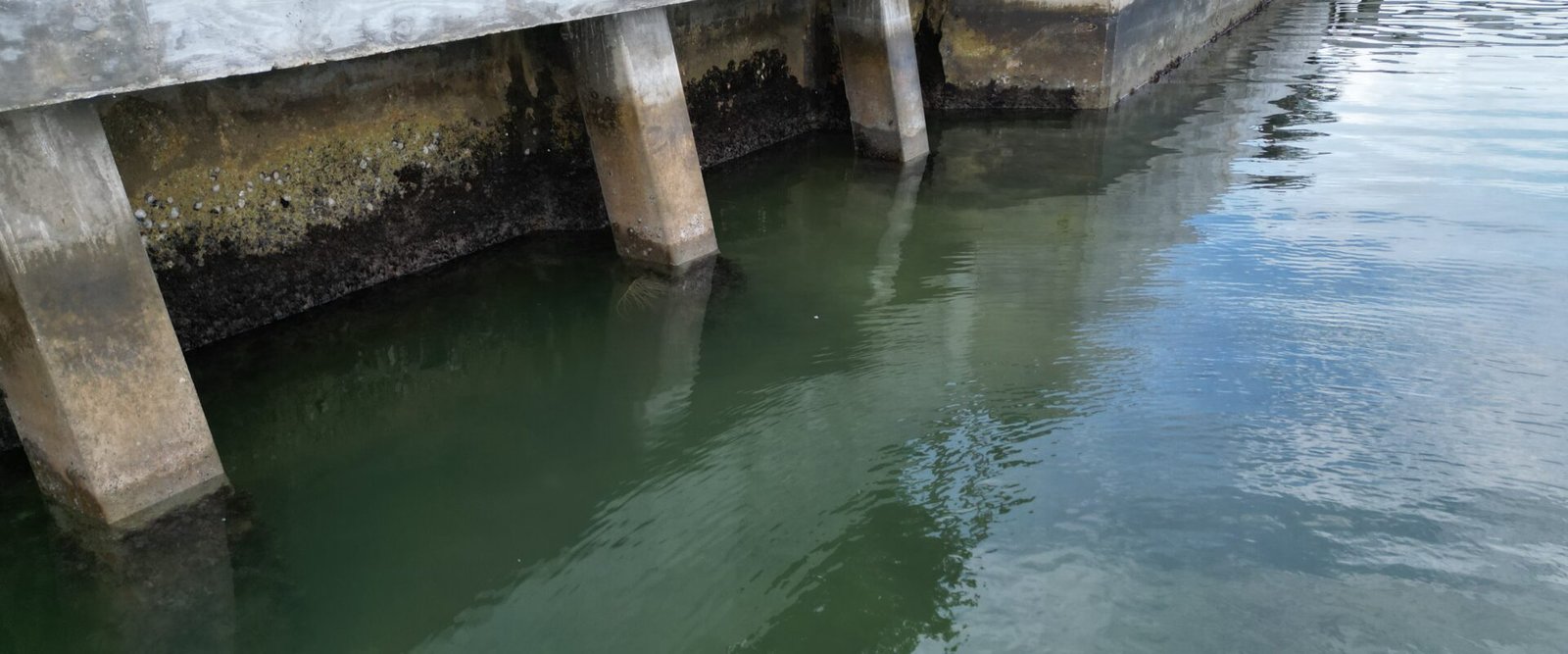
A seawall repair scope of work only works if every contractor is bidding the identical job — same materials, same embedment depths, same site conditions, same exclusions. Without that, a board in Coral Gables or Key Biscayne isn’t comparing three prices for one project; it’s comparing three different, incompatible projects and calling the cheapest one a win. Souffront Contractors writes scopes of work as a Florida-licensed structural engineer, specifically so boards can compare bids on paper instead of guessing at the site walk.
Key takeaways
- A comparable scope of work specifies materials, dimensions, quantities, and site conditions — not just a general description of “seawall repair.”
- Bids that look far apart on price are often bidding different scopes, not different markups.
- Per-linear-foot pricing only means something if every bidder is measuring and repairing the same linear feet, the same way.
- An engineer-written scope shifts risk off the board — vague specs are how a $180,000 change order shows up mid-project.
- Biscayne Bay corridor properties (canal-front, seawalled islands, condo/HOA common walls) have site conditions a generic scope template misses.
Why “get three bids” doesn’t work without a written scope
Most boards start a seawall repair by inviting three seawall contractors to walk the property and send a proposal. Each contractor writes his own scope, in his own words, based on his own read of what’s failing. The board then receives three documents that aren’t describing the same work.
One bidder assumes full-height panel replacement. Another assumes patch repairs with new tiebacks only where visibly failed. A third assumes no dive inspection is needed and prices from photos. All three numbers look like real bids. None of them are comparable, and the board has no way to know which one is actually cheap and which one is incomplete.
What a comparable scope of work has to specify
A scope of work that produces apples-to-apples bids answers the same questions for every bidder, in writing, before anyone prices anything:
- Extent of repair — exact linear footage of wall being repaired, broken into segments if condition varies along the run
- Panel and cap work — which panels are replaced versus patched, cap demolition limits, new concrete strength and reinforcement spec
- Tieback and anchor detail — rod diameter and grade, embedment depth, anchor type, spacing, and whether existing tiebacks are reused or replaced
- Site conditions — soil data if available, existing utility conflicts, dock or seawall cap elevations, access constraints for barges or land equipment
- Waterproofing and coatings — epoxy coating systems, cathodic protection if specified, joint sealant requirements
- Permit responsibility — who pulls Miami-Dade DERM or city permits, and who carries the cost and timeline risk if permitting is delayed
- Unit pricing for unknowns — a per-linear-foot or per-pile rate for conditions discovered once demolition starts, so a real differing condition has a pre-agreed price instead of a blank-check change order
- Schedule and submittal requirements — shop drawings, product data, and a construction schedule bidders commit to, not just a start date
When every bidder prices against the same list, the spread between bids tells the board something real — labor efficiency, overhead, material sourcing — instead of three different guesses at what the job even is.
Repair cost ranges, and why per-linear-foot only works if the footage matches
South Florida seawall repair generally runs in two bands, as general industry ranges rather than a Souffront quote: moderate repairs — cap patching, spot tieback replacement, localized panel work — typically run $100–$250 per linear foot. Full panel and tieback replacement typically runs $400–$600 per linear foot. Neither number means anything without an agreed linear footage and an agreed definition of “repair,” which is exactly what the scope of work has to lock down before bids go out. A board that skips this step and simply asks “what’s your price per linear foot” will get answers that aren’t measuring the same wall.
This is separate from a seawall inspection, which is priced as a flat fee — typically $1,500–$3,000 depending on complexity — and quoted before the site visit. The inspection report is usually the document a scope of work gets built from: it identifies which panels, piles, and cap sections are failing and to what degree, which is the raw material an engineer turns into bid-ready specifications.
Who should actually write the scope — and the honest answer about independence
A scope of work written by one of the bidding contractors is written by someone with an interest in how it reads. That’s not an accusation — it’s just the structural conflict. A scope an engineer writes as the board’s own construction manager exists specifically to remove that conflict: the document is independent of who eventually wins the bid.
Souffront both performs seawall construction and offers engineer-led construction management and owner’s-representative services — so the fair answer, stated plainly, is this: a board can engage Souffront to write the scope of work and evaluate bids without Souffront bidding the repair itself, and any interest in bidding the construction is disclosed in writing before the engagement starts. Boards are free to run the bid process with Souffront out of the running entirely, or to include Souffront as one bidder with that disclosure on record. Handled openly, that’s a normal, common arrangement in construction — not a conflict a board needs to work around.
Once bids are in, the same engineer-led role — the project manager, the owner’s representative, the board’s single point of contact — reviews submittals and shop drawings, observes construction at the milestones that matter (tieback torquing, cap pour, backfill), reviews pay applications against work actually completed, and evaluates change orders to tell the board whether a cost is a genuine differing condition or a gap the low bid left out. The role is oversight on the board’s behalf: observe, review, verify, advise, document — never a guarantee of another contractor’s work, and never supervision of his means and methods on site.
Biscayne Bay corridor conditions a generic scope template misses
Waterfront properties along Biscayne Bay — Coral Gables, Coconut Grove, Key Biscayne, the Venetian and Sunset Islands, Miami Beach — carry site conditions a boilerplate repair scope written for a canal in another county won’t capture. Tidal range and storm surge exposure along the bay affect how tiebacks and cap elevations get specified. Many of these properties share a seawall with a neighboring lot or an HOA common area, which means the scope has to define exactly where the board’s responsibility starts and stops. Island and canal-front condo associations also tend to have permitting overlap between the city, Miami-Dade DERM, and sometimes the Florida DEP, all of which belongs in the scope’s permit-responsibility section, not left for the winning contractor to sort out after award.
Talk to a Florida-licensed engineer
If your board is about to send a seawall repair project out to bid, get the scope of work in writing before the first contractor walks the property. Souffront Contractors writes engineer-sealed scopes of work, reviews submitted bids line by line, and can serve as the board’s construction manager through closeout — scoped and quoted upfront, before the project starts. Reach us at (877) 420-7220, or use the form below to schedule a conversation.
Frequently asked questions
What should a seawall repair scope of work include?
It should specify the exact linear footage and location of repair, panel and cap replacement versus patch limits, tieback rod size and embedment depth, coating and waterproofing systems, who is responsible for permitting, unit pricing for conditions discovered during demolition, and a submittal and schedule requirement every bidder must meet.
Why do seawall repair bids vary so much for the same project?
Usually because each contractor wrote his own scope based on his own site walk, so the bids are pricing different amounts of work, not the same work at different markups. A single written scope removes that variable.
Who should write the scope of work — the contractor or an independent engineer?
An independent, Florida-licensed structural engineer removes the conflict of a bidding contractor defining the job he’s bidding on. If the same firm both writes the scope and wants to bid the repair, that interest should be disclosed in writing before the engagement, and the board can choose to run the bid without that firm in the running.
How much does seawall repair cost per linear foot in South Florida?
As general industry ranges, moderate repairs typically run $100–$250 per linear foot, and full panel and tieback replacement typically runs $400–$600 per linear foot. These numbers are only comparable across bids when every bidder is pricing the same defined footage and repair scope.
What is construction management or an owner’s representative on a seawall project?
Construction management, also called owner’s representative or project manager work, is an engineer-led role where one person is the board’s single point of contact from scope through closeout — reviewing bids, submittals, pay applications, and change orders on the board’s behalf, separate from the contractor doing the physical work.
Can Souffront both oversee my project and bid the repair work?
Souffront can do either — write the scope and manage the project without bidding the construction, or bid as one of the contractors with that interest disclosed in writing up front. The choice is the board’s, and the disclosure happens before the engagement starts either way.
What permits are needed for seawall repair in Miami-Dade or Broward?
Most seawall repair in Miami-Dade requires a Miami-Dade DERM environmental permit in addition to the local building department permit, and projects touching navigable federal waters can also require U.S. Army Corps of Engineers review. The scope of work should state in writing which party is responsible for pulling and paying for each permit.
How long does it take to get comparable bids on a seawall repair project?
Once a written scope of work exists, most South Florida seawall contractors can turn a bid around in two to four weeks. Writing the scope itself — including a site inspection if one hasn’t been done — typically adds one to two weeks up front, which is time recovered later by avoiding bid clarifications and change-order disputes.
Related from Souffront Contractors: HOA and condo board compliance reports — all delivered by the same Florida-licensed structural engineering and marine construction team. Call (877) 420-7220.
About Souffront Contractors Inc.: a Florida-licensed structural engineering and marine construction firm serving Miami-Dade, Broward, and Palm Beach counties. Reach a licensed seawall contractor in Boca Raton and across Palm Beach County — see our seawall contractors page or call (877) 420-7220.
Got a seawall or structural question?
Five fields. Same business day from a Florida-licensed engineer, routed into our dispatch CRM in real time.
- Same business dayAcknowledgment from a Florida licensed engineer — Mon–Fri 8 AM–5:30 PM.
- Engineer-sealed reportAccepted by carriers, building departments, and real-estate transactions.
- Fixed-fee proposalNo hourly billing. Repair scope priced line-by-line.