
Marine Growth on a Seawall: Harmless or Warning Sign?
Barnacles, oysters, and algae on a seawall usually look worse than they are — but some marine growth patterns hide real structural damage. Here's how to tell.
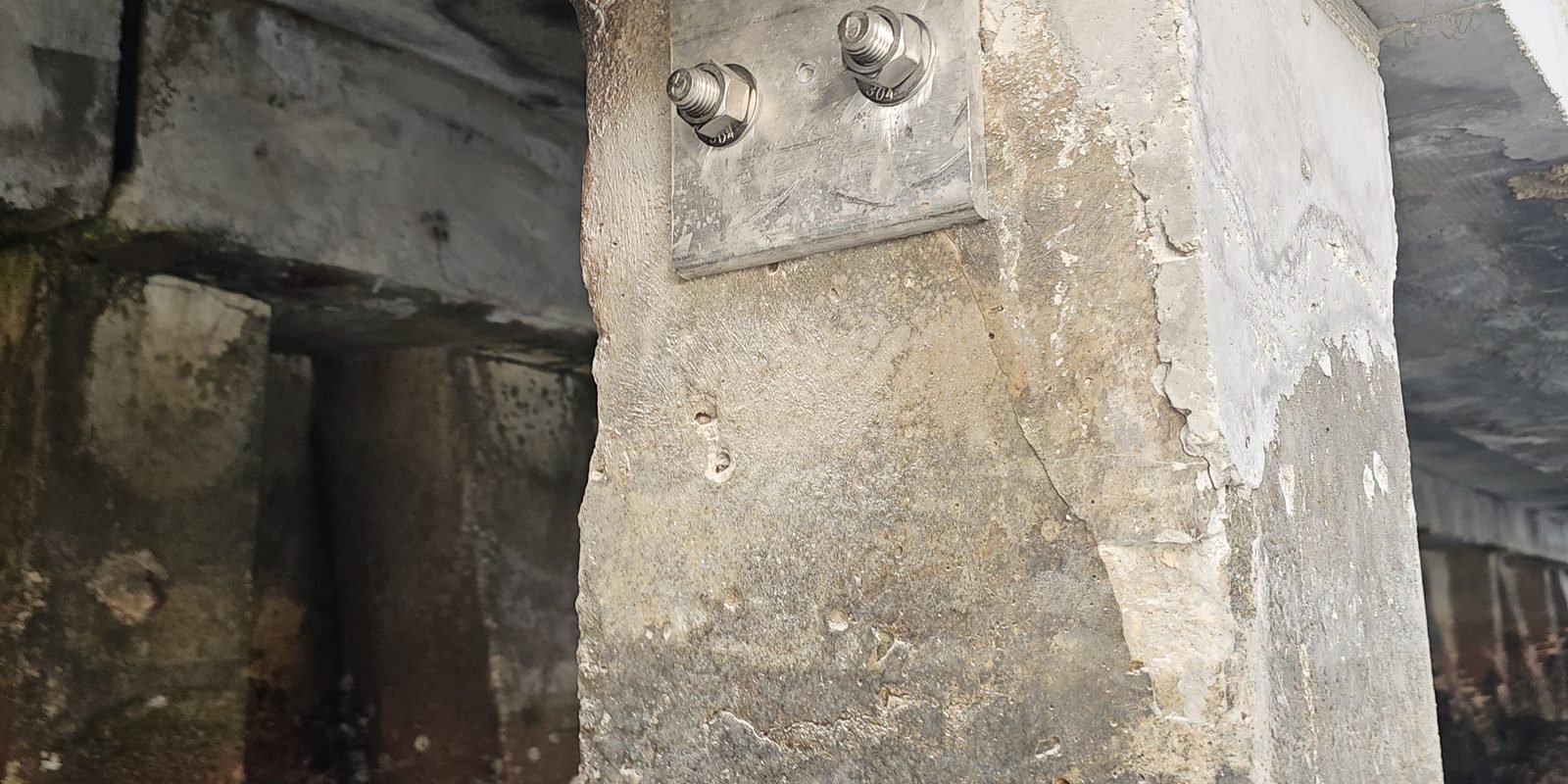
Marine growth on a seawall — barnacles, oysters, algae, and tunneling worms — is normal in South Florida’s warm, brackish water and is harmless on its own. The concern isn’t the growth itself; it’s what the growth can hide underneath it, including spalled concrete, exposed rebar, or a cracked panel that’s been slowly failing out of sight. Souffront Contractors inspects the growth pattern, not just the growth, because that pattern is often the first visible clue that something below the waterline needs attention.
Key takeaways
- Marine growth (barnacles, oysters, algae, tube worms) is a natural, expected part of any wall sitting in saltwater or brackish water — it is not itself a sign of damage.
- Uneven growth patterns, growth that’s thinner or missing in one spot, or growth surrounding a visible crack or stain are the real red flags, not the growth volume.
- Certain marine organisms, particularly shipworms and gribbles, actively bore into wood components and accelerate deterioration rather than just sitting on the surface.
- Heavy growth can hide spalling concrete, exposed rebar, and hairline cracks until a diver or engineer physically clears a section to look underneath.
- A structural seawall inspection includes below-waterline access specifically so growth doesn’t mask a developing problem.
What marine growth actually is
Marine growth is the layer of organisms that colonize any hard surface placed in saltwater. On a typical Miami-Dade or Broward seawall, that usually means:
- Barnacles — small, cone-shaped crustaceans that cement themselves to concrete, steel, or wood.
- Oysters — sharp-shelled bivalves that cluster in dense colonies, especially near the waterline.
- Algae — the green or brown film that coats submerged and tidal surfaces.
- Tube worms and gribbles — smaller organisms, some of which bore into wood rather than just attaching to it.
None of these organisms cause a concrete or vinyl seawall to fail by themselves. They attach to the surface; they don’t consume it. On wood components — dock piles, timber bulkheads, wale boards — some marine borers are a different story, covered below.
When marine growth is genuinely harmless
Growth is a non-issue when it’s uniform across the wall. If barnacles, oysters, and algae are distributed evenly along the cap, panels, and piles at a similar density, that’s simply a wall that’s been sitting in the water doing its job. Uniform growth actually tells an engineer the wall has had a stable, undisturbed surface for barnacles to colonize — which is a mildly reassuring sign, not a warning one.
Heavy growth alone, even thick growth, is not a red flag if it’s consistent. What matters is what breaks that consistency.
The patterns that actually mean something
An engineer doesn’t read marine growth as good or bad — they read the pattern for what it’s covering up. Watch for:
- Bare or thin patches in an otherwise heavily colonized wall. Organisms avoid unstable, actively spalling, or recently cracked concrete — a clean patch surrounded by growth can mean that section has moved or shed material recently.
- Growth concentrated around a visible crack or rust stain. Cracks trap moisture and create texture that growth colonizes faster, which can make a structural crack look like ordinary buildup at a glance.
- Bulging or “pillowed” growth mats that lift away from the surface. This can indicate the concrete underneath has already delaminated and the growth layer is now attached to a loose shell rather than sound material.
- A sudden change in growth density between adjacent panels, which can point to a panel that was replaced or repaired more recently than its neighbors — worth confirming against permit history.
None of these are conclusions a homeowner should try to reach from the dock. They’re reasons to schedule a professional seawall inspection where a licensed engineer or diver can physically scrape a test section and look at what’s actually underneath.
Marine borers on wood are a separate, more serious concern
Shipworms (Teredo) and gribbles don’t sit on wood — they tunnel into it. A timber pile or wale board can look intact from the outside while being hollowed out internally, sometimes to the point of near-total loss of cross-section. Any wood component in a South Florida seawall or dock system should be checked with a probe or bore test as part of a proper inspection, not just a visual look, because borer damage is one of the few defects that genuinely hides in plain sight.
How marine growth can mask real structural damage
A heavily colonized wall can conceal:
- Spalling concrete — where the concrete cover has cracked and begun separating from the reinforcing steel underneath, often triggered by rebar corrosion.
- Exposed or corroding rebar — steel that’s rusting expands, which is what causes spalling in the first place; growth can sit directly over an active corrosion site.
- Hairline cracks in panels — thin enough to be invisible under a mat of barnacles and algae, but wide enough to let water intrude and accelerate deterioration.
- Voids behind the wall — soil loss on the land side sometimes shows up first as a subtle change in how the wall face looks, which growth can flatten out visually.
This is exactly why a proper structural seawall inspection includes physical access below the waterline — a diver or engineer clearing test sections of growth to examine the concrete, steel, and joints directly, rather than assessing the wall from photos taken above the surface.
What an engineer-led inspection actually checks
A fixed-fee seawall inspection from a Florida-licensed structural engineer typically documents:
- Cap condition — cracking, spalling, and alignment along the top of the wall.
- Panel condition — cracks, bowing, leaning, or displacement between panel sections.
- Pile condition — batter and king pile integrity, including below-waterline sections where accessible.
- Tieback and anchor condition — whether the buried anchor system holding the wall against soil pressure is intact.
- Soil loss or voids on the land side, often visible as settlement or depressions near the cap.
- Drainage — whether weep holes and relief joints are functioning or blocked.
Marine growth doesn’t stop this process — it’s simply one more surface condition the engineer scrapes back where needed to confirm what’s underneath. The report that comes out the other side is a sealed engineering document, not a sales estimate, and it’s priced as a flat fee — typically $1,500–$3,000 depending on the complexity of the inspection — quoted upfront before any site visit.
What homeowners and HOA boards can watch for between inspections
- New cracks, staining, or bulging that weren’t there in the last photos of the wall.
- Soil settlement or a widening gap along the land side of the cap.
- A section of wall where growth looks noticeably different — patchier, thinner, or absent — compared to the rest of the wall.
- Any visible tilt or lean in the wall face compared to adjacent sections.
None of these observations replace a physical inspection, but they’re useful reasons to move one up on the calendar rather than waiting for the next scheduled check, particularly ahead of hurricane season in Miami-Dade, Broward, and Palm Beach.
Talk to a Florida-licensed engineer
If a wall on your property looks heavily colonized, uneven, or has any crack or stain you can’t explain, don’t guess from the surface. Souffront Contractors is one company that inspects, engineers, permits, and builds — so the same team that documents the condition of your wall can also scope and perform the repair if one is needed. Inspections are quoted as a flat fee before any site visit, and the sealed report typically turns around the same business day. Request an inspection through the form below or call (877) 420-7220.
Frequently asked questions
Is marine growth bad for a seawall?
No, marine growth by itself does not damage a seawall. Barnacles, oysters, and algae attach to the surface without eating into concrete or vinyl. The concern is what the growth might be covering, not the growth itself.
Can marine growth hide seawall damage?
Yes. A thick layer of barnacles and algae can sit directly over a hairline crack, spalled concrete, or corroding rebar, making the wall look uniform when a section underneath is actually deteriorating. This is why inspections include physically clearing test sections below the waterline.
Should I have marine growth removed from my seawall?
Routine removal isn’t necessary for the wall’s structural health. It’s more useful as an inspection step — clearing sections during a professional inspection lets the engineer see the actual concrete or steel surface underneath.
Do marine borers actually damage wood seawalls and docks?
Yes. Shipworms and gribbles tunnel into timber piles and wale boards, hollowing them out from the inside while the surface can still look intact. Wood components should be probed or bore-tested as part of any inspection, not just checked visually.
How much does a seawall inspection cost in Miami?
A residential structural seawall inspection is typically $1,500–$3,000, depending on the complexity of the inspection — access, whether a below-waterline dive is needed, and the number of structural components involved. It’s a flat fee quoted upfront, never priced per linear foot.
How often should a seawall be inspected because of marine growth concerns?
Marine growth alone isn’t a reason to schedule off-cycle. Most waterfront properties benefit from a structural inspection every few years, or sooner if you notice new cracking, staining, settlement, or an uneven growth pattern on the wall.
What are the warning signs I should look for myself, without a diver?
From land or a dock, watch for new cracks or rust staining on the cap, any leaning or bulging in the wall face, settlement or gaps in the soil behind the wall, and patches where growth looks noticeably thinner or absent compared to the rest of the wall.
Does Souffront Contractors repair seawalls after an inspection finds a problem?
Yes. Souffront Contractors inspects, engineers, permits, and builds under one company, so if an inspection finds a structural issue, the same team can scope and perform the repair without handing the project to a separate contractor.
About Souffront Contractors Inc.: a Florida-licensed structural engineering and marine construction firm serving Miami-Dade, Broward, and Palm Beach counties. Hire a trusted seawall contractor in Fort Lauderdale and throughout Broward County — or call (877) 420-7220.
Got a seawall or structural question?
Five fields. Same business day from a Florida-licensed engineer, routed into our dispatch CRM in real time.
- Same business dayAcknowledgment from a Florida licensed engineer — Mon–Fri 8 AM–5:30 PM.
- Engineer-sealed reportAccepted by carriers, building departments, and real-estate transactions.
- Fixed-fee proposalNo hourly billing. Repair scope priced line-by-line.