
Seawall Inspection Fort Lauderdale: Intracoastal Guide
What makes a Fort Lauderdale seawall inspection different on the Intracoastal Waterway — boat wake, tidal exchange, tieback wear — plus real cost ranges and what's checked.
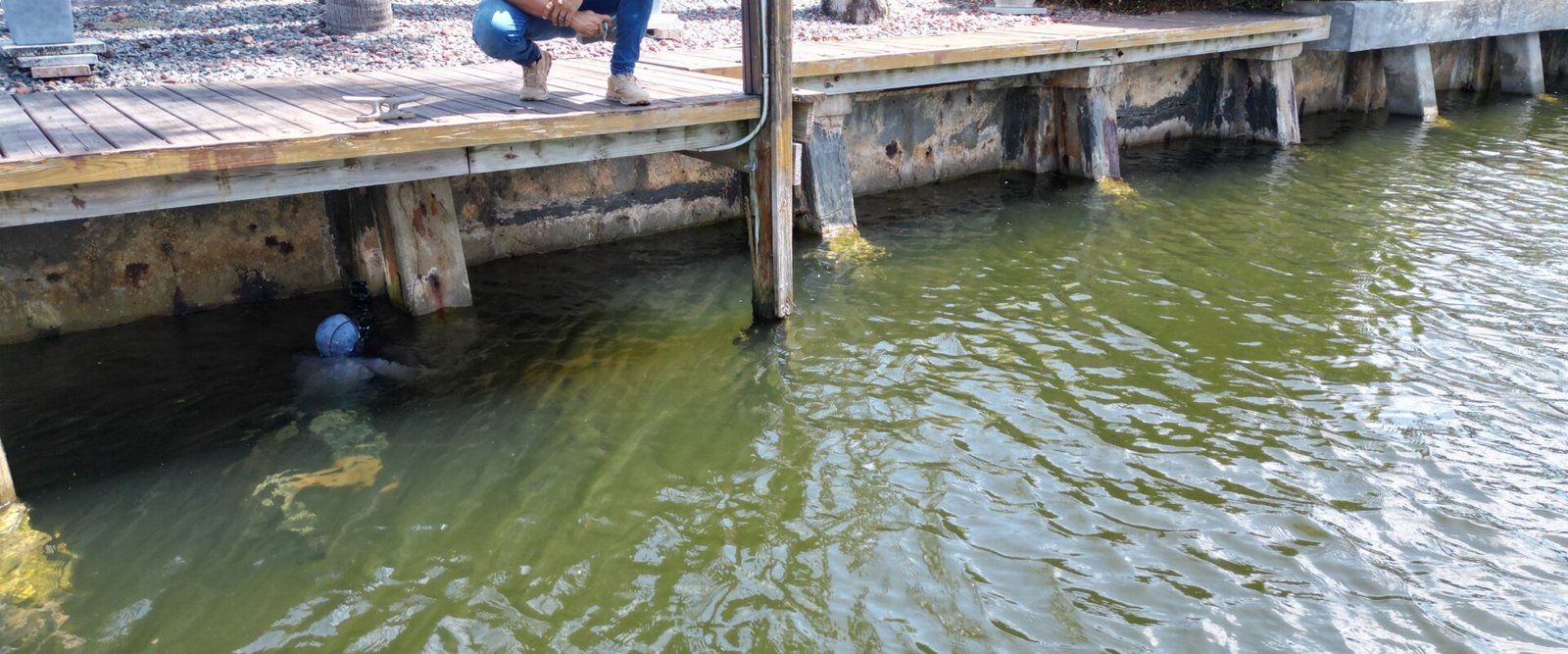
A seawall inspection in Fort Lauderdale has to account for something most Florida waterfront properties don’t deal with at the same intensity: constant boat traffic on the Intracoastal Waterway. Souffront Contractors inspects seawalls throughout Fort Lauderdale, Las Olas Isles, Rio Vista, Coral Ridge and the barrier island canals, and the wake-driven erosion pattern on these walls is different enough from open-bay conditions that it changes what a Florida-licensed structural engineer looks for during the inspection.
Key takeaways
- Fort Lauderdale’s Intracoastal seawalls take repeated wake action from boat traffic, not just tidal pressure — this accelerates soil loss behind the wall differently than open-bay properties.
- A structural engineer inspection checks the cap, panels, piles, tiebacks and drainage, plus wake-line erosion at and just below the waterline.
- Inspections are a flat fee, typically $1,500–$3,000 depending on complexity, quoted before any site visit — never priced per linear foot.
- Fort Lauderdale and Broward County permitting for seawall repair runs through the city building department and, where applicable, state and federal review.
- Canal-front and finger-island properties on narrow waterways often show wear concentrated at one point — where wake reflects off the opposite bank.
Why the Intracoastal changes what an inspector looks for
Biscayne Bay and open coastal seawalls deal mostly with tidal cycling — water rising and falling twice a day, pulling soil through gaps in the wall on the outgoing tide. The Fort Lauderdale Intracoastal has that same tidal action, plus a second, more constant force: boat wake. Every passing vessel sends a wave that hits the wall, drops, and pulls backfill soil out through joints and cracks on the way back. On a canal with regular traffic, that happens dozens of times a day, not twice.
The result is a wear pattern an inspector has to specifically check for: erosion concentrated in a band right at and just below the mean waterline, sometimes worse on one side of a canal than the other depending on how wake reflects off the opposite bank. A generic inspection that only checks the cap and walks the top of the wall will miss this. A proper seawall inspection in this environment includes a waterline and below-waterline review, not just a visual walk of the visible wall.
What a Fort Lauderdale seawall inspection actually checks
A structural engineer inspection of an Intracoastal seawall covers five areas:
- The cap — the poured concrete top of the wall. Cracking, spalling (concrete breaking away from exposed or corroding rebar), and settlement are checked here first because cap damage is usually the first visible sign of movement below.
- Panels — the vertical concrete or vinyl sections that hold back the soil. On wake-exposed walls, look for cracking at panel joints where repeated wave impact has worked the seams loose.
- Piles — the king piles and batter piles that anchor the wall. Batter piles are driven at an angle specifically to resist the lateral soil pressure a seawall holds back; wake action doesn’t damage piles directly as often as it undermines the soil around them.
- Tiebacks — the buried steel rods or cables that anchor the wall back into the yard, resisting the push of the soil in front of it. Tiebacks corrode from the inside out and rarely show visible signs until they’ve already lost significant capacity, which is why age and soil type matter as much as what’s visible.
- Drainage — weep holes or relief points that let groundwater pressure equalize instead of building up behind the wall. Missing or blocked weep holes are a common, fixable problem that accelerates every other failure mode on this list.
On a canal or Intracoastal-front property, the inspection also includes a review of the waterline erosion band described above, and — where access allows — a below-waterline check of the toe of the wall, where soil loss is often most advanced but least visible from the yard.
Common problems on Fort Lauderdale’s Intracoastal walls
Wake-line erosion
The most Fort Lauderdale-specific issue. Constant wake action pulls soil through small gaps at and below the waterline. Left unaddressed, this creates voids behind the wall that eventually show up as cap settlement or panel cracking — but by the time it’s visible above the waterline, the erosion has usually been progressing for years.
Tieback corrosion
Older seawalls (roughly 25 years and up) on saltwater canals are the highest-risk category for tieback failure. Brackish and saltwater intrusion corrodes buried steel faster than fresh groundwater does, and a tieback that’s lost significant section can fail with little visible warning at the surface.
Cap cracking from settlement
When soil behind the wall is lost to wake or tidal erosion, the cap loses support and cracks or settles unevenly. This is usually the first sign a homeowner notices, even though the actual cause started below the waterline months or years earlier.
Cost and how the inspection is priced
A residential seawall inspection in Fort Lauderdale is a flat fee, typically $1,500–$3,000 depending on the complexity of the inspection — wall length, whether a below-waterline dive is needed, and the number of structural components involved. It is never priced per linear foot; per-linear-foot pricing applies to repair and replacement work, not inspections. The fee is quoted upfront, before any site visit.
If repairs are recommended, those are priced separately and by scope: moderate repair work generally runs $100–$250 per linear foot, and full panel or tieback replacement runs roughly $400–$600 per linear foot. These are general industry ranges, not a fixed Souffront quote — an actual repair estimate follows the inspection report and depends on what’s found.
Permitting for seawall repair in Broward County
Seawall repair or replacement in Fort Lauderdale typically requires a permit through the city building department, and depending on the scope, coordination with state and federal review under the Florida Building Code and, for work affecting navigable water, the U.S. Army Corps of Engineers Jacksonville District. A sealed engineering report from the inspection is usually the starting document for that permit application — it’s what tells the reviewing agency what’s being repaired and why.
When to bring in a seawall contractor
If an inspection turns up active erosion, tieback loss, or panel cracking beyond cosmetic surface damage, the next step is a repair scope from a seawall contractor who can also engineer and permit the fix — not just estimate it. A seawall repair on an Intracoastal-front property should address the underlying erosion or corrosion, not just patch the visible cap crack, or the same damage returns in a few years.
Talk to a Florida-licensed engineer
If you own waterfront property on Fort Lauderdale’s Intracoastal Waterway or a barrier island canal, an engineer-sealed inspection tells you exactly where a wall stands before it becomes a bigger repair. Souffront inspects, engineers, permits and builds under one roof, with a fixed-fee quote before any site visit and same-business-day response. Use the form below to schedule.
Frequently asked questions
How is a seawall inspection in Fort Lauderdale different from one in Miami?
The core inspection process is the same, but Fort Lauderdale’s Intracoastal and canal-front walls take constant boat wake in addition to normal tidal cycling. This concentrates erosion at and below the waterline in a way open-bay properties see less often, so the inspection puts more weight on a waterline and below-waterline review.
What does a seawall inspection on the Intracoastal Waterway check?
It checks the cap, panels, piles, tiebacks and drainage weep holes, plus a specific review of erosion at and below the waterline where wake action concentrates. On boat-traffic canals this waterline check is especially important because erosion there often precedes visible cap or panel damage by years.
How much does a seawall inspection cost in Fort Lauderdale?
A typical residential inspection runs $1,500–$3,000 as a flat fee, depending on the complexity of the inspection — not the length of the wall. The fee is quoted before any site visit. Repair work, if recommended, is priced separately by linear foot.
How often should an Intracoastal seawall be inspected?
Most waterfront homeowners on high-traffic canals benefit from an inspection every 3–5 years, or sooner if visible cracking, settlement, or soil loss appears. Older walls (25+ years) on saltwater canals warrant closer attention because buried tiebacks corrode with age.
What permits are required for seawall repair in Fort Lauderdale?
Repair or replacement generally requires a permit through the city building department, built around a sealed engineering report. Work affecting navigable water may also require coordination with the U.S. Army Corps of Engineers Jacksonville District, depending on scope.
What are the signs a Fort Lauderdale seawall needs repair?
Cap cracking or uneven settlement, visible gaps or voids at the base of the wall, leaning or bulging panels, soil sinking in the yard near the wall, and missing or clogged weep holes are the most common visible signs. Any of these warrant a structural engineer inspection before the damage progresses further.
Does boat wake actually damage a seawall?
Yes. Repeated wave impact from passing boats pulls backfill soil through small gaps and cracks on the outgoing wave, concentrated at and just below the waterline. On high-traffic Intracoastal and canal properties, this happens far more often than tidal cycling alone and accelerates erosion behind the wall.
Who do I call for seawall repair in Fort Lauderdale?
Look for a seawall contractor that also inspects and engineers the work under one roof, so the person diagnosing the problem is the same one responsible for fixing it correctly. Souffront Contractors serves Fort Lauderdale and the surrounding Broward waterfront with fixed-fee inspections and engineer-led repair.
Related from Souffront Contractors: foundation repair — all delivered by the same Florida-licensed structural engineering and marine construction team. Call (877) 420-7220.
About Souffront Contractors Inc.: a Florida-licensed structural engineering and marine construction firm serving Miami-Dade, Broward, and Palm Beach counties. Talk to a seawall repair contractor who engineers, permits, and builds the fix — see our seawall contractors page or call (877) 420-7220.
Got a seawall or structural question?
Five fields. Same business day from a Florida-licensed engineer, routed into our dispatch CRM in real time.
- Same business dayAcknowledgment from a Florida licensed engineer — Mon–Fri 8 AM–5:30 PM.
- Engineer-sealed reportAccepted by carriers, building departments, and real-estate transactions.
- Fixed-fee proposalNo hourly billing. Repair scope priced line-by-line.