
Why Hollywood Seawall Inspections Differ by Canal
A seawall inspection in Hollywood, FL reads canals and the Intracoastal differently. See what each does to a wall, what it costs, and what to check first.
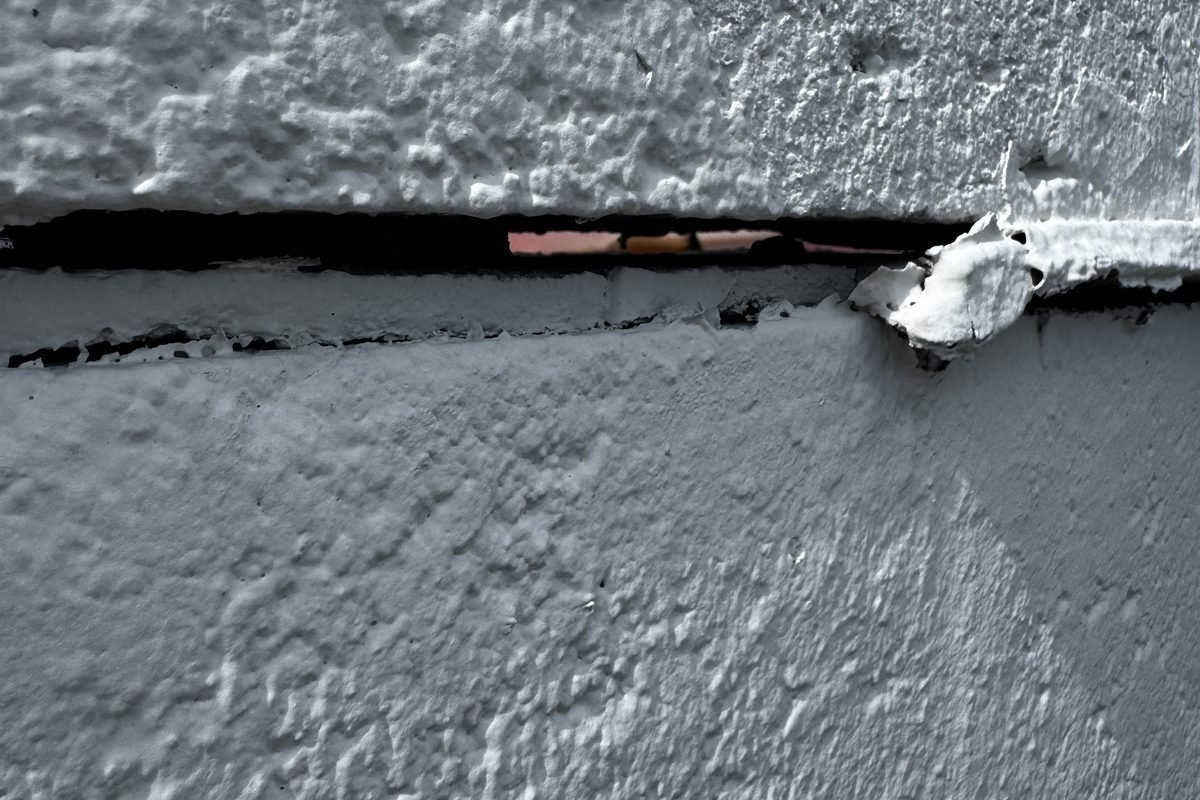
A seawall inspection in Hollywood, FL has to treat the Intracoastal Waterway and the finger-isle canals as two different environments, because they age a wall two different ways. Open Intracoastal frontage gets more wave energy and faster tidal exchange; the canals that cut into Hollywood Lakes and the other finger-isle streets get slower-moving, warmer water that sits against the panels longer. A proper seawall inspection accounts for which one you’re on before it rates the wall.
That’s the first thing a field engineer checks on a Hollywood seawall inspection: is this property on the open waterway, or at the end of a dead-end canal? Souffront Contractors inspects both kinds of walls across Hollywood, Hallandale Beach, and Fort Lauderdale, and the deficiencies rarely look the same twice.
Key takeaways
- Open Intracoastal seawalls in Hollywood take more wave load and boat-wake impact; canal seawalls take more standing-water exposure and slower flushing.
- Dead-end finger canals trap warmer, lower-oxygen water that accelerates rebar corrosion inside the cap and panels, even when the face looks clean.
- A residential structural seawall inspection in Hollywood typically runs $1,500–$3,000 flat fee, quoted before the site visit — never priced per linear foot.
- Soil loss behind the cap shows up as a sinking or cracking seawall deck, usually months before the wall itself visibly leans.
- Canal-front walls near dock pilings or seawalls with no weep holes need a structural engineer inspection, not a general contractor’s walk-through.
What the open Intracoastal does to a wall
On Hollywood’s Intracoastal frontage, the wall takes a steady beating from tidal current, boat wakes, and storm surge. That’s abrasive, mechanical stress — it shows up as spalled concrete at the waterline, exposed aggregate on the face of the panels, and cap edges that have chipped from repeated wave slap. The water here moves and exchanges fast, so marine growth is heavier but the wall doesn’t sit in stagnant conditions.
The failure pattern on open-water walls tends to be mechanical: a panel that’s cracked from direct impact, a cap that’s lost its edge from wave action, or rebar exposed where boat traffic has worn concrete thin over years. These are usually visible from the water or the dock without needing a dive.
What the finger-isle canals do differently
Canal-front properties in Hollywood Lakes and the other finger-isle streets sit on dead-end or semi-enclosed waterways. Tidal exchange is weaker here — the water doesn’t flush the way it does on the open Intracoastal, so it sits warmer, lower in oxygen, and often higher in organic sediment. That’s a chemistry problem more than a mechanical one.
Stagnant, sediment-heavy water accelerates corrosion on the rebar inside a concrete panel or cap, because chlorides concentrate faster in water that isn’t moving. The wall can look structurally fine from the surface while the steel inside is already rusting and expanding — a process called spalling, where corroding rebar pushes concrete apart from the inside. By the time you see a hairline crack running along the cap, the steel behind it has usually been corroding for years.
Canal walls also tend to collect more soil loss behind the panels. Slower water movement means more fine sediment settling near the toe of the wall instead of flushing out, and that sediment can mask a void that’s already forming behind the cap. A seawall inspection on a canal lot should always include a check for soil settlement in the yard near the wall — that’s often the first visible sign something’s wrong underneath.
Signs specific to canal-front walls
- A deck or patio slab that’s started to dip or crack within a few feet of the wall
- Rust staining bleeding through the cap or panel face, even without a visible crack
- Standing water or soft ground along the top of the wall after rain
- Marine growth concentrated near the bottom third of the panel, where sediment sits against it longest
Why the inspection method changes based on which water you’re on
An open Intracoastal wall usually gets assessed above the waterline and with a visual check at low tide, because the damage mechanism is mostly mechanical and visible. A canal wall, especially one on a dead-end finger isle, more often needs a below-waterline check — sounding the panels for hollow spots, probing for voids behind the cap, and checking tiebacks where they anchor into the yard.
This is also where a general contractor’s walkthrough and a structural engineer inspection diverge. A contractor can tell you the wall looks cracked. A Florida-licensed structural engineer can tell you whether that crack is cosmetic, whether it’s active corrosion, and what load the wall can still carry safely — and can put a seal on that finding if you need it for an HOA board, an insurer, or a real estate closing.
What a seawall inspection in Hollywood costs
A typical residential structural seawall inspection in Hollywood runs $1,500–$3,000, quoted as a flat fee before any site visit — not per linear foot of wall. The range depends on the inspection’s complexity: whether a below-waterline dive is needed, how many structural components the wall has (cap, panels, piles, tiebacks), and the scope of the written report. Wall length is a minor factor in that range, not the driver of it.
If the inspection turns up real deterioration, repair costs are a separate number, priced differently. Moderate panel or cap repairs on South Florida seawalls generally run $100–$250 per linear foot; full panel and tieback replacement runs roughly $400–$600 per linear foot. These are general industry ranges, not a Souffront quote — a project estimate only comes after an engineer has actually seen the wall.
Finding a seawall contractor who can act on what the inspection finds
A lot of Hollywood homeowners get an inspection report from one firm, then have to go find a seawall contractor to actually fix what it found — and the handoff between the two is where projects stall. Souffront inspects, engineers, permits, and builds under one roof, which matters most on canal walls where the repair scope (tieback replacement, cap reconstruction, soil stabilization behind the panel) depends entirely on what the inspecting engineer actually saw below the waterline.
That matters for permitting too. Broward County and the City of Hollywood both require permits for seawall repair and replacement work, and a seawall repair scoped by the same engineer who inspected the wall moves through plan review faster, because the documentation already matches the actual condition of the structure.
Talk to a Florida-licensed engineer
If your Hollywood property backs onto the Intracoastal or sits on one of the finger-isle canals and you’ve noticed cracking, rust staining, or a settling deck near the wall, get it looked at before the next storm season. Souffront provides engineer-sealed seawall inspections across Hollywood, Fort Lauderdale, and the surrounding coast, fixed-fee and quoted upfront, with same-business-day response. Call (877) 420-7220 or use the form below to schedule.
Frequently asked questions
How much does a seawall inspection cost in Hollywood, FL?
A residential structural seawall inspection in Hollywood typically costs $1,500–$3,000, charged as a flat fee quoted before the site visit. The price depends on inspection complexity — whether a below-waterline dive is required and how many structural components the wall has — not on the wall’s length.
Do canal seawalls fail faster than Intracoastal seawalls?
Not necessarily faster, but differently. Intracoastal walls take more mechanical wear from waves and boat wakes. Canal walls, especially on dead-end finger isles, sit in slower-moving water that accelerates rebar corrosion inside the panels and cap, often with less visible warning on the surface.
What are the first signs of a failing seawall in a Hollywood canal?
Watch for a deck or patio slab settling or cracking near the wall, rust staining bleeding through the cap, soft or wet ground along the top of the wall after rain, and marine growth concentrated low on the panel. These often appear before any visible lean or crack in the wall face.
Does a seawall inspection in Hollywood require an underwater dive?
It depends on the wall. Canal-front walls, where corrosion and soil loss behind the panels are harder to see from above, more often need a below-waterline check. Open Intracoastal walls can sometimes be assessed visually at low tide, but a full structural inspection still checks below the waterline wherever access allows.
Who should inspect a seawall — a contractor or an engineer?
A general contractor can tell you a wall looks cracked. A Florida-licensed structural engineer can determine whether that crack is cosmetic or active, what’s causing it, and what load the wall can safely carry — and can seal the report for an HOA board, insurer, or real estate closing.
Do I need a permit to repair a seawall in Hollywood, FL?
Yes. Seawall repair and replacement in Hollywood requires permitting through Broward County and the City of Hollywood. Having the same engineer who inspected the wall scope the repair typically speeds up plan review, since the documentation matches the structure’s actual condition.
How often should a Hollywood seawall be inspected?
Most residential seawalls benefit from a structural inspection every few years, or sooner if you notice cracking, rust staining, settling ground near the wall, or after a major storm. Canal-front walls with a history of soil loss or tieback issues should be checked more frequently than open-water walls in good condition.
What’s the difference between a seawall inspection and a seawall repair estimate?
An inspection is a structural engineering assessment of the wall’s current condition, delivered as a sealed report. A repair estimate is a project cost, priced per linear foot once the scope of damage is known. The inspection has to happen first — repair pricing without it is a guess.
Related from Souffront Contractors: HOA and condo board compliance reports and dock repair — all delivered by the same Florida-licensed structural engineering and marine construction team. Call (877) 420-7220.
About Souffront Contractors Inc.: a Florida-licensed structural engineering and marine construction firm serving Miami-Dade, Broward, and Palm Beach counties. Arrange a seawall inspection in Broward County with same-week scheduling — see our seawall contractors page or call (877) 420-7220.
Got a seawall or structural question?
Five fields. Same business day from a Florida-licensed engineer, routed into our dispatch CRM in real time.
- Same business dayAcknowledgment from a Florida licensed engineer — Mon–Fri 8 AM–5:30 PM.
- Engineer-sealed reportAccepted by carriers, building departments, and real-estate transactions.
- Fixed-fee proposalNo hourly billing. Repair scope priced line-by-line.