
Bulkhead Contractors in Miami-Dade: Permits & Methods
Hiring bulkhead contractors in Miami-Dade? Here's how permitting works, which construction methods hold up on Biscayne Bay, and how to vet a builder.
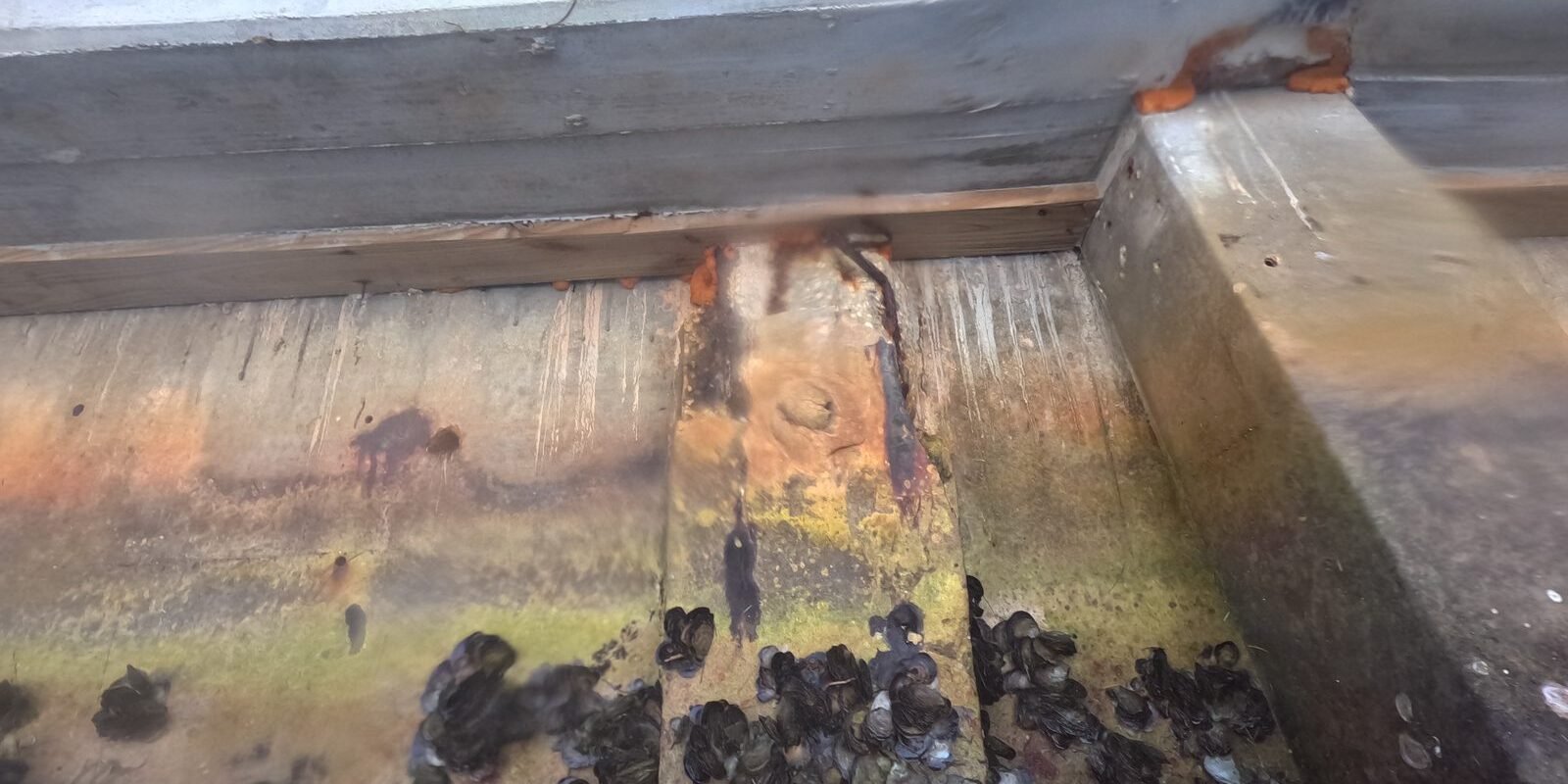
Bulkhead contractors in Miami-Dade handle a specific job: building or replacing the vertical retaining wall that holds waterfront soil back from a canal, bay, or river. Along the Biscayne Bay corridor — Coral Gables, Coconut Grove, Key Biscayne, and the barrier islands off Miami Beach — a bulkhead has to survive tidal swings, storm surge, and boat wake, and it can’t go in without a permit. Souffront Contractors is one firm that inspects, engineers, permits, and builds bulkheads, which means the same team that specs the repair is the team standing on the wall when it’s poured.
Key takeaways
- A bulkhead is a specific seawall type: a vertical wall with no exposed piles, tied back into the soil behind it — different from a pile-supported seawall.
- Bulkhead work in Miami-Dade needs Miami-Dade DERM environmental review plus a city or county building permit, and often a Florida DEP or federal review if it extends into navigable water.
- Vinyl sheet pile, concrete panel, and combination steel-and-concrete are the three methods actually used on Biscayne Bay-corridor properties.
- A tieback rod and deadman anchor system does the structural work behind a bulkhead — if it’s undersized or missing, the wall leans regardless of how new the concrete looks.
- Choosing a bulkhead contractor with an engineer on staff avoids the gap where the design and the construction crew never talk to each other.
What Makes a Bulkhead Different From Other Seawalls
“Seawall” is the general term. A bulkhead is one specific design: a solid vertical wall — vinyl, concrete panel, or steel sheet pile — that retains soil with no piles standing exposed on the waterside face. It relies on a buried anchor system instead. Compare that to a pile-supported wall, which uses king piles and batter piles driven into the substrate to carry the load, with a concrete cap tying them together.
Most single-family canal-front lots in Coconut Grove, Coral Gables, and the barrier islands were built with one of these two systems decades ago. Knowing which one you have matters before you call anyone — repairing a bulkhead and repairing a pile-supported wall use different materials, different equipment, and different seawall repair line items.
Tiebacks — the part you can’t see
A tieback is a steel rod or cable that runs from the back of the bulkhead panel to a buried anchor (a “deadman”) set well back into the yard. The tieback is what keeps the wall from tipping forward under soil pressure. When a bulkhead leans or a cap cracks in a straight line, a failed or corroded tieback is one of the first things a Florida-licensed structural engineer checks — not just the visible concrete.
Permits Required for Bulkhead Work in Miami-Dade
Bulkhead construction and replacement in Miami-Dade almost always requires more than one approval, and the order matters:
- Miami-Dade DERM (Division of Environmental Resources Management) — reviews any work along tidal waters, mangroves, or seagrass-adjacent shoreline. This is usually the first application filed. Reference: Miami-Dade DERM.
- Municipal or county building permit — structural plans sealed by a Florida-licensed structural engineer, reviewed against the Florida Building Code and the county’s High-Velocity Hurricane Zone provisions.
- Florida DEP — required when work affects state sovereign submerged lands or falls under a statewide environmental resource permit. Reference: Florida Department of Environmental Protection.
- U.S. Army Corps of Engineers — comes into play if the bulkhead extends into or affects a federally designated navigable waterway. Reference: USACE Jacksonville District.
Skipping or misordering these steps is the single biggest cause of stalled bulkhead projects. A city building department will typically hold a permit until DERM sign-off is in hand, so filing DERM first shortens the whole timeline.
Bulkhead Construction Methods Used in South Florida
Vinyl sheet pile
Interlocking vinyl panels driven into the substrate, capped with concrete. Vinyl resists marine borers and doesn’t corrode like steel, which makes it a common choice for canal-front residential replacements. It’s lighter to install but depends entirely on the tieback and deadman system for stability, since the panels alone don’t carry lateral load.
Concrete panel bulkhead
Precast or cast-in-place concrete panels set into a trench and backed by tiebacks. Heavier and more resistant to impact than vinyl, concrete panel walls are common on commercial and HOA-owned shoreline where boat traffic or seawall height demands more mass.
Steel sheet pile
Interlocking steel sections, often used where soil conditions or wall height push past what vinyl or concrete panel can handle alone. Steel requires corrosion protection — coating, cathodic protection, or a concrete encasement — because saltwater exposure is constant.
Every method above still needs a correctly sized tieback and deadman system, a properly compacted backfill, and a cap poured after — not before — the anchors are torqued and inspected. That sequencing is where inexperienced crews cut corners.
How to Choose a Bulkhead Contractor
Miami-Dade’s waterfront draws a wide range of companies calling themselves bulkhead or seawall contractors. A few questions separate the ones worth hiring:
- Is there a Florida-licensed structural engineer on staff, not just a subcontracted signature? A contractor who designs, permits, and builds under one roof catches design problems on-site instead of after the concrete sets.
- Do they file DERM and building department paperwork themselves, or hand you a stack of forms? Permit experience specific to Miami-Dade shoreline rules saves months.
- Will they show you the tieback and deadman spacing on the plans before backfill goes in? If a contractor can’t explain the anchor system in plain terms, that’s a red flag.
- Do they offer seawall inspection as a separate, engineer-sealed service — not just a sales visit before a bid? An inspection report written by the same engineer who will later build the repair, and disclosed as such, is a sign of a contractor being straightforward about the relationship.
- Are they licensed and insured for marine construction specifically, not just general contracting?
On larger HOA or condominium bulkhead projects, some boards also bring in a Florida-licensed structural engineer to oversee the project as their own point of contact — reviewing submittals, checking pay applications against completed work, and confirming change orders before the board approves them. That oversight role is scoped and quoted per project, separate from the construction contract itself.
What Bulkhead Work Costs
Bulkhead repair and replacement in South Florida is generally priced per linear foot of wall, and the range depends heavily on scope. Moderate repairs — tieback replacement, cap patching, localized panel work — typically run in the $100–$250 per linear foot range. Full panel and tieback replacement runs higher, often $400–$600 per linear foot, driven by material choice, wall height, and access. These are general industry ranges for construction, not a quote — any legitimate contractor scopes and prices your specific wall before work starts.
A separate, upfront step is a structural condition assessment: a Florida-licensed engineer evaluates the existing bulkhead’s condition before anyone prices a repair. That assessment is billed as a flat, fixed fee set before the engineer ever visits the site, not tied to the wall’s length or the repair scope that follows.
Talk to a Florida-licensed engineer
If a bulkhead on your property is leaning, cracking along the cap, or losing soil behind it, get a condition assessment from an engineer before calling contractors for bids — it gives you a scope everyone has to price against, instead of five different guesses. Souffront’s engineer-sealed reports and fixed-fee pricing are set before any site visit, and Miami-Dade calls are typically returned the same business day. The contact form below reaches our office directly.
Frequently asked questions
What is the difference between a bulkhead and a seawall?
Seawall is the general category. A bulkhead is a specific type of seawall — a solid vertical wall with no exposed piles, held in place by buried tieback rods and anchors rather than driven piles. Pile-supported seawalls use king and batter piles with a cap instead.
What permits does a bulkhead need in Miami-Dade?
Bulkhead construction typically needs a Miami-Dade DERM environmental permit, a municipal or county building permit with structural plans sealed by a Florida-licensed structural engineer, and in some cases a Florida DEP or U.S. Army Corps of Engineers review if the work affects state or federally regulated waters.
How long does bulkhead permitting take in Miami-Dade?
Timelines vary by city and project scope, but DERM review generally needs to clear before a building department will issue the construction permit, so filing DERM first is the fastest sequence. Straightforward residential replacements can move in weeks; larger or environmentally sensitive sites take longer.
How much does bulkhead repair cost per linear foot?
Moderate bulkhead repairs generally run $100–$250 per linear foot; full panel and tieback replacement runs roughly $400–$600 per linear foot. Wall height, material, and site access all move the number, so an accurate figure comes from scoping the specific wall.
What are the signs a bulkhead is failing?
Watch for a leaning wall face, a cap that’s cracked in a straight line, soil settling or sinking directly behind the wall, and water that stays discolored or muddy near the base after tides settle. Any of these points to a possible tieback or anchor problem rather than just surface wear.
Can the same contractor inspect and repair a bulkhead?
Yes, and it can be an advantage — a firm that inspects, designs, and builds understands the wall’s actual condition firsthand rather than relying on someone else’s report. A reputable contractor discloses that relationship upfront and provides the inspection findings in writing before proposing repair work.
Do I need a marine contractor or a general contractor for bulkhead work?
Bulkhead and seawall work calls for a contractor licensed specifically for marine construction, not a general residential contractor. Marine-specific licensing covers the waterway permitting, tidal construction methods, and materials that general contracting doesn’t.
Is vinyl or concrete better for a bulkhead in Biscayne Bay conditions?
Both perform well when designed and anchored correctly. Vinyl sheet pile resists marine borers and corrosion, making it common for canal-front residential replacements. Concrete panel adds mass and impact resistance, which some HOA and commercial waterfront sites specify for higher boat traffic areas. The right choice depends on wall height, soil conditions, and budget more than on one material being universally superior.
Related from Souffront Contractors: HOA and condo board compliance reports — all delivered by the same Florida-licensed structural engineering and marine construction team. Call (877) 420-7220.
About Souffront Contractors Inc.: a Florida-licensed structural engineering and marine construction firm serving Miami-Dade, Broward, and Palm Beach counties. Choose a seawall inspection company whose reports are signed and sealed by a licensed structural engineer — see our seawall contractors page or call (877) 420-7220.
Got a seawall or structural question?
Five fields. Same business day from a Florida-licensed engineer, routed into our dispatch CRM in real time.
- Same business dayAcknowledgment from a Florida licensed engineer — Mon–Fri 8 AM–5:30 PM.
- Engineer-sealed reportAccepted by carriers, building departments, and real-estate transactions.
- Fixed-fee proposalNo hourly billing. Repair scope priced line-by-line.