
Dock and Seawall Permits in Miami: One or Two?
Does a dock and seawall project need one permit submittal or two? A Florida-licensed structural engineer breaks down when DERM, FDEP and your city combine or split review.
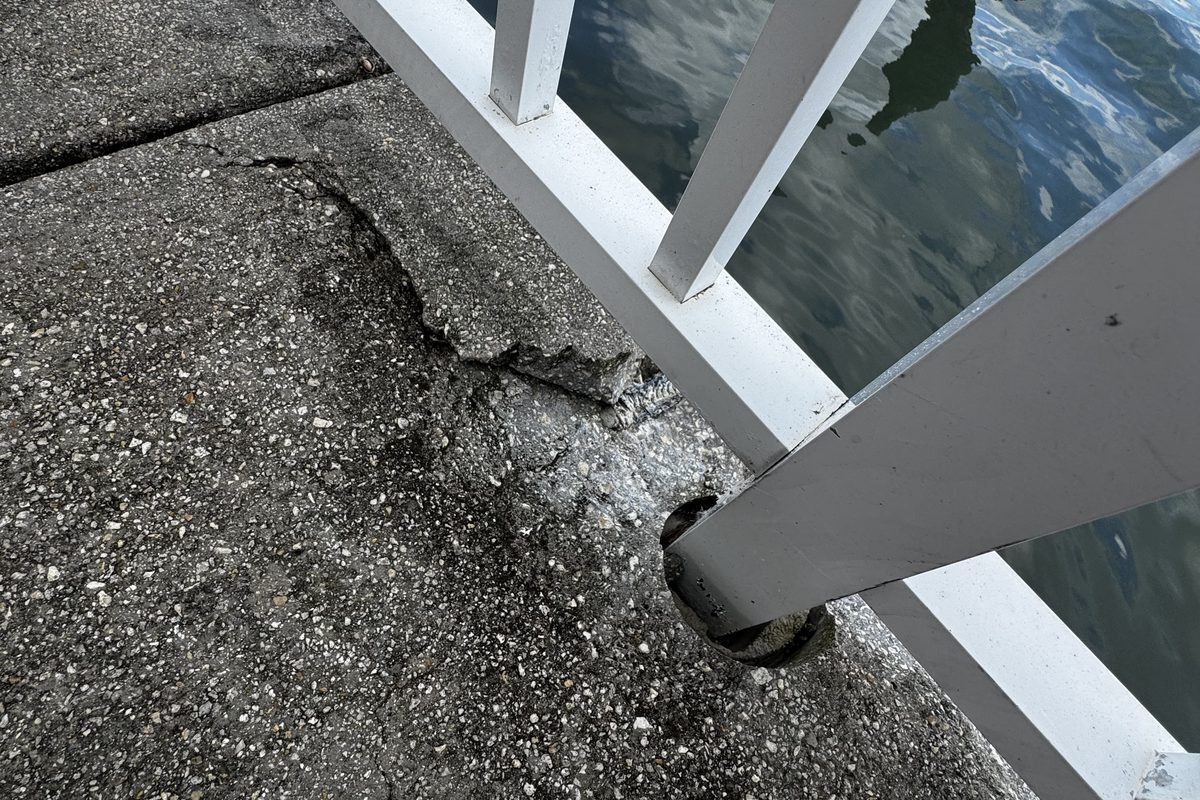
A dock and a seawall on the same waterfront lot almost never get approved on one piece of paper. In Miami-Dade and across the Biscayne Bay corridor, the dock and the seawall are usually two separate reviews — sometimes two different agencies — even when one crew builds both. There are specific conditions where a single combined submittal works, and knowing which one you’re in before you draw anything saves weeks.
Key takeaways
- A dock and seawall project is typically two permits: a DERM/FDEP environmental resource permit for work in the water and a structural building permit for the wall and the dock framing.
- Miami-Dade DERM reviews seawall replacement and new dock construction under separate permit classes, even when submitted the same week.
- A U.S. Army Corps of Engineers nationwide permit is often required in addition to state and county review whenever work extends past the mean high water line.
- Combining the submittals only works when the dock attaches directly to the new seawall cap and both are designed by the same engineer of record in one set of plans.
- Splitting the permits — seawall first, dock second — is usually faster when the seawall is time-sensitive (a failing wall, an open violation) and the dock is a future phase.
Why a dock and a seawall usually get two different reviews
Souffront Contractors gets this question from waterfront homeowners in Coral Gables, Coconut Grove and Key Biscayne almost every month: “we’re replacing the wall and the dock, why can’t it be one permit?” The answer is jurisdictional, not logistical. A seawall is a shore-protection structure. A dock is a water-dependent structure that extends over submerged land. Miami-Dade DERM classifies them differently, and each class carries its own review checklist — survey requirements, structural calculations, environmental impact — even if the same contractor builds both on the same job site.
The seawall side of the review usually touches:
- Miami-Dade DERM Class I or Class II shoreline permit, depending on wall length and construction type
- Florida DEP Environmental Resource Permit if the wall affects submerged land or wetlands
- City or county building permit for the structural work itself — rebar, concrete, tiebacks, cap
The dock side usually touches:
- DERM dock/marine structure permit, which looks at seagrass, manatee protection zones and navigation
- U.S. Army Corps of Engineers review if the structure crosses the mean high water line into federal jurisdiction
- A separate structural building permit for the pilings, decking and any boat lift
When one submittal actually covers both
There is one scenario where a single, combined submittal makes sense: the new dock ties directly into the new seawall cap as one structural system, and the same engineer of record seals both on one set of plans. That happens most often on a full rebuild — old wall and old dock both demolished, new wall poured, new dock framed off the new cap in the same mobilization. In that case, DERM and the city building department will often accept one application package with both scopes described, because the structural interaction between the cap and the dock framing has to be reviewed together anyway — a dock attached to an undersized cap is a structural defect waiting to surface.
If the dock is freestanding on its own pilings and doesn’t bear on the seawall cap, there’s little upside to forcing one submittal. The reviewers will still evaluate the structures separately internally; you’ve just added complexity to your own paperwork.
When splitting the permits is the right call
Most of the seawall jobs Souffront walks in South Florida start as emergency or near-emergency repairs — a cap that’s cracked through, a panel that’s rotated, a DERM violation notice with a deadline attached. In that situation, splitting the permits is almost always faster:
- The seawall permit moves on its own timeline, driven by the violation deadline or the visible failure
- The dock becomes a phase-two project once the wall is stable, with its own schedule and its own budget
- You avoid holding up a time-sensitive structural repair behind a slower environmental review on the dock side (seagrass surveys and manatee zone checks can add real time)
If you’re working with a seawall contractor who also builds docks, ask them directly which path they’re recommending and why — the honest answer is almost always “split them” unless the dock is structurally dependent on the new cap.
The agencies involved, and what each one actually checks
Four agencies show up on most combined dock-and-seawall jobs in Miami-Dade and Broward:
- Miami-Dade DERM — environmental and shoreline review for both the wall and the dock; see Miami-Dade DERM for current permit classes
- Florida DEP — state Environmental Resource Permit when the work affects submerged land, documented at Florida DEP
- U.S. Army Corps of Engineers, Jacksonville District — federal review for any structure extending into navigable water; see USACE Jacksonville District
- Your city or county building department — the structural permit itself, reviewed against the Florida Building Code and HVHZ wind requirements
Not every job triggers every agency. A seawall replacement with no dock usually skips the Army Corps. A small residential dock with no seawall work can sometimes clear DERM without touching DEP. The combination you’re in depends on scope, location and whether the structures physically connect.
What a structural engineer needs from you before submittal
Before Souffront draws a seawall or dock permit set, a Florida-licensed structural engineer needs a current survey, the seawall’s existing condition documented (cracking, tieback condition, cap elevation), and a clear answer on whether the dock is staying, going, or being rebuilt. A structural engineer inspection of the existing wall before design starts catches problems — soil loss behind the panels, a cap that’s already undersized — that change the permit scope before you’ve paid for drawings twice.
Souffront handles both sides of this under one roof: marine construction for the combined scope, or the two pieces separately through seawall construction and a dock builder team that already knows how the two permits interact on this specific stretch of the Biscayne Bay corridor — Coral Gables, Coconut Grove, Key Biscayne, Miami Beach and the barrier islands.
Talk to a Florida-licensed engineer
If you’re staring at a seawall and a dock on the same lot and don’t know whether to submit once or twice, that’s a five-minute phone call, not a guessing game. Souffront will tell you straight whether your job combines into one permit set or splits into two, scope it accordingly, and put a Florida-licensed structural engineer’s seal on the drawings either way. Call (877) 420-7220 or use the form below to get a same-business-day read on your specific property.
Frequently asked questions
Do I need separate permits for a dock and a seawall in Miami-Dade?
In most cases, yes. Miami-Dade DERM reviews seawalls and docks under different permit classes, and each typically needs its own structural building permit from the city or county. The exception is a full rebuild where the dock frames directly off the new seawall cap as one engineered system — that can sometimes be submitted as one package.
How long does it take to permit a dock and seawall together?
A seawall-only repair permit in Miami-Dade commonly takes a few weeks to a couple of months, depending on DERM’s current workload. Adding a dock with an environmental review — especially near seagrass or a manatee protection zone — can add additional time because the state and federal agencies review on their own schedules.
Why would I split the permits instead of combining them?
Splitting is usually faster when the seawall is urgent — a DERM violation, visible structural failure, or an insurance deadline — and the dock isn’t. The seawall permit moves on its own clock instead of waiting on a slower environmental review tied to the dock.
Which agencies review a combined dock-and-seawall project?
Typically Miami-Dade DERM for shoreline and environmental review, Florida DEP if submerged land is affected, the U.S. Army Corps of Engineers if the structure crosses the mean high water line, and your local building department for the structural permit itself.
Does a new dock need an Army Corps of Engineers permit?
Often, yes, if any part of the dock extends into navigable water past the mean high water line. Many residential docks qualify for a Corps nationwide permit, which is a lighter review than an individual permit, but it’s still a separate step from the state and county process.
Can the same engineer design both the dock and the seawall?
Yes, and it’s usually the better approach when the two structures connect. A single Florida-licensed structural engineer designing both means the cap, the pilings and the dock framing are checked against each other instead of two separate designers assuming the other side holds up.
What happens if I build the dock before the seawall permit is finished?
If the dock attaches to or bears any load on the seawall, building it first is a problem — you can end up with a dock permit tied to a wall that hasn’t been engineered or approved yet. If the dock is freestanding on its own pilings, sequencing is more flexible, but it’s worth confirming with your engineer before committing to an order of work.
Who do I call to figure out if my project needs one permit or two?
A marine contractor or structural engineer who regularly pulls both seawall and dock permits in Miami-Dade and Broward can usually tell you within one site visit. Souffront Contractors handles both sides of the process and will tell you directly which path fits your property.
Related from Souffront Contractors: dock repair, engineer-led construction management and owner’s representative services and seawall repair — all delivered by the same Florida-licensed structural engineering and marine construction team. Call (877) 420-7220.
About Souffront Contractors Inc.: a Florida-licensed structural engineering and marine construction firm serving Miami-Dade, Broward, and Palm Beach counties. Partner with a full-service marine construction company for docks, seawalls, and waterfront structures — see our seawall contractors page or call (877) 420-7220.
Got a seawall or structural question?
Five fields. Same business day from a Florida-licensed engineer, routed into our dispatch CRM in real time.
- Same business dayAcknowledgment from a Florida licensed engineer — Mon–Fri 8 AM–5:30 PM.
- Engineer-sealed reportAccepted by carriers, building departments, and real-estate transactions.
- Fixed-fee proposalNo hourly billing. Repair scope priced line-by-line.