
How Your Dock and Seawall Affect Each Other
How a dock and seawall interact structurally in South Florida, why failure in one often signals damage in the other, and what property owners should watch for.
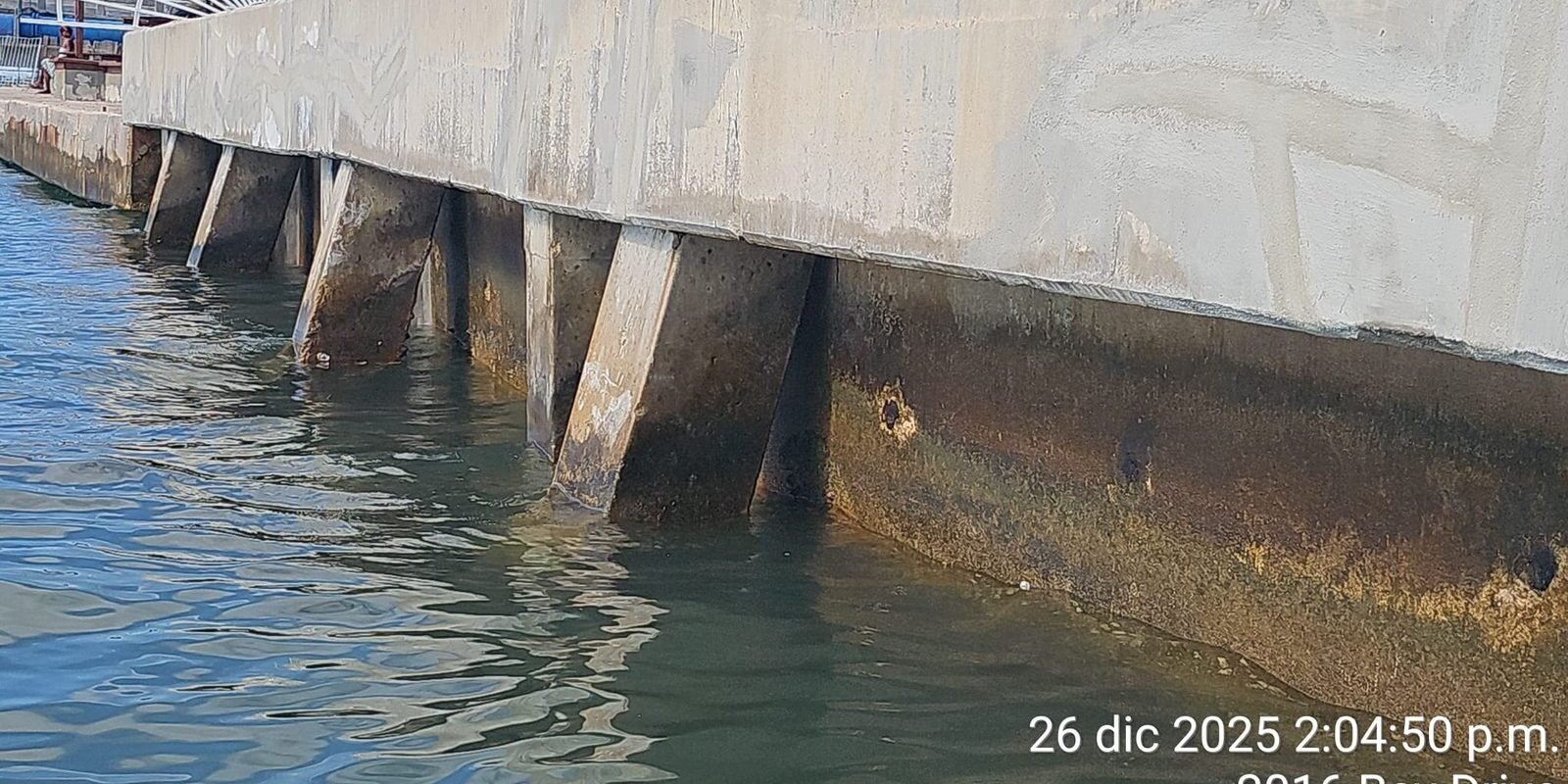
A dock and seawall on the same property are structurally connected even when they look separate, and problems in one often start or accelerate problems in the other. Dock pilings driven near a seawall can change soil pressure behind the wall, while a failing seawall can undermine the soil that supports dock pilings and shore-side utilities. Understanding this dock and seawall structural relationship helps waterfront owners catch damage before it becomes a full replacement.
Key takeaways
- A dock and seawall share the same soil and water conditions, so damage to one frequently affects the other.
- Seawall panel or cap failure can cause soil loss that destabilizes nearby dock pilings, even if the dock looks fine above water.
- Dock pilings installed too close to a seawall can add lateral load and interfere with the wall’s drainage or tiebacks.
- Boat wake and prop wash from dock use can erode soil at the seawall base over time.
- A combined inspection of both structures catches interactions that a single-structure inspection misses.
Why these two structures are linked
A seawall holds back the soil that supports everything behind it — the yard, the seawall cap, and often the landward end of a dock. A dock extends from that same shoreline into the water, usually anchored by pilings driven into the same soil and seabed the seawall is retaining. When one system is compromised, the other rarely stays unaffected for long.
This is different from two unrelated structures sitting near each other. The seawall and dock share:
- The same soil mass on the landward side.
- The same water conditions — tide, storm surge, boat traffic.
- Often, the same age and construction era, so both may be nearing the end of useful life together.
Tiebacks and drainage
Most pile-supported seawalls use a tieback — a buried anchor rod running from the wall’s cap back into the yard — to resist the soil pressure pushing against the wall. Dock pilings or a dock’s landward support posts installed too close to a seawall can interfere with these tiebacks or block the weep holes that let water drain out from behind the wall. Blocked drainage builds hydrostatic pressure behind the seawall, which accelerates cracking and bowing.
How seawall damage affects a dock
When a seawall panel cracks, leans, or loses material at its base, the soil it was holding back can migrate through the gap — a process called soil loss or void formation. That soil loss doesn’t stay contained to the area right behind the wall. It can spread toward nearby dock pilings, gradually reducing the soil support around them even though the dock deck above water still looks stable.
Common signs this is happening:
- New settling, sinking, or unevenness in the yard near the seawall or dock.
- A dock that feels looser or shifts more than it used to at the shore-side end.
- Sinkholes or soft spots in the lawn between the house and the water.
- Visible gaps or new cracks at the seawall cap near where dock pilings meet the shoreline.
Because the soil loss happens below grade and often below the waterline, it is easy to miss without a professional inspection that checks both structures together, not just the one an owner is worried about.
How dock use affects a seawall
The relationship runs both directions. Boat wake and prop wash — the turbulence created by a boat’s propeller near the dock — can erode soil and scour material at the base of a seawall over time, especially in slips positioned close to the wall. Repeated docking impacts can also stress the seawall cap if a dock’s structure ties directly into it.
Dock pilings themselves add load to the soil system. If they are placed too close to a seawall’s tieback zone, they can add lateral pressure the wall’s original design never accounted for, particularly on older seawalls built before current Miami-Dade DERM permitting standards addressed this interaction.
What a combined inspection checks
An inspection that treats the dock and seawall as one connected system looks at:
- Seawall panel, cap, and pile condition, including any visible cracking, spalling, or leaning.
- Soil condition and any signs of voids or settling in the yard near both structures.
- Dock piling condition and whether they show unusual movement or leaning toward or away from the seawall.
- Drainage — whether weep holes are clear and tiebacks are unobstructed.
- Proximity — how close dock pilings sit to the seawall and whether that spacing meets current design practice.
This is different from a dock-only or seawall-only assessment, and it’s why seawall inspections from a firm that also handles dock work tend to catch interaction issues that a narrower inspection scope would miss.
When to have both inspected together
Owners should have the dock and seawall evaluated together, not separately, when any of the following apply:
- The seawall is more than 20–25 years old and has never had the soil behind it checked for voids.
- New settling or sinking appears in the yard between the house and the water.
- The dock feels less stable at the shore end, even if the outer end seems fine.
- A seawall repair or replacement is being planned — this is the ideal time to also assess dock piling placement.
- Before a real estate transaction on a waterfront property with both structures present.
Coastal engineering guidance from organizations like ASCE treats shoreline structures as interacting systems for this reason — evaluating them independently can miss the actual cause of a problem.
Talk to a Florida-licensed engineer
If your dock or seawall shows any of these signs, the next step is a combined structural inspection, not a guess about which structure is at fault. Souffront Contractors provides engineer-sealed inspection reports for both seawalls and docks as one company — no subcontracted opinions, no per-linear-foot inspection pricing, and a fixed fee quoted before any site visit. Same-business-day response is standard. The contact form below reaches our office directly.
Frequently asked questions
Can a bad seawall cause dock damage?
Yes. A cracked or leaning seawall panel can let the soil behind it wash out, and that soil loss can spread toward nearby dock pilings and reduce their support even if the dock deck still looks stable above water.
Can a dock damage a seawall?
It can contribute to damage. Dock pilings placed too close to a seawall can add lateral pressure or interfere with tiebacks and drainage, and boat wake or prop wash from regular dock use can erode soil at the seawall’s base over time.
Do I need to inspect my dock and seawall at the same time?
It’s recommended whenever one structure shows problems, when a seawall is over 20–25 years old, or before planning a repair — since the two systems share the same soil and often the same root cause of damage.
How do I know if soil loss behind my seawall is affecting my dock?
Watch for new sinking or unevenness in the yard near the shoreline, a dock that feels looser at the shore-side end, or gaps forming at the seawall cap near the dock pilings. These signs usually require a professional inspection to confirm because the soil loss happens below grade.
How much does a combined dock and seawall inspection cost?
Seawall inspections are priced as a flat fee, typically $1,500–$3,000 depending on complexity, and quoted upfront before any site visit — never per linear foot. Dock inspection scope is added to that quote based on the dock’s size and condition.
What is a tieback and why does it matter for docks?
A tieback is a buried anchor rod that runs from a seawall’s cap into the yard to resist soil pressure. Dock pilings or supports installed too close to a seawall can interfere with these tiebacks, weakening the wall’s ability to hold back soil.
Does boat wake really damage a seawall?
Yes, over time. Repeated prop wash and wake turbulence near a dock can erode and scour soil at the base of a nearby seawall, especially in slips positioned close to the wall.
Is this an issue everywhere in South Florida?
It’s most relevant anywhere a seawall and dock sit close together, which is common throughout Miami-Dade, Broward, and Palm Beach waterfront properties, including canal-front and Intracoastal lots where docks are built directly off the seawall cap.
About Souffront Contractors Inc.: a Florida-licensed structural engineering and marine construction firm serving Miami-Dade, Broward, and Palm Beach counties. Schedule a professional seawall inspection with a licensed structural engineer — or call (877) 420-7220.
Got a seawall or structural question?
Five fields. Same business day from a Florida-licensed engineer, routed into our dispatch CRM in real time.
- Same business dayAcknowledgment from a Florida licensed engineer — Mon–Fri 8 AM–5:30 PM.
- Engineer-sealed reportAccepted by carriers, building departments, and real-estate transactions.
- Fixed-fee proposalNo hourly billing. Repair scope priced line-by-line.