
How to Document Storm Damage to Your Dock for Insurance
Step-by-step guide to documenting storm damage to your dock for the insurer — what to photograph, what an engineer's report does, and how to avoid a denied claim.
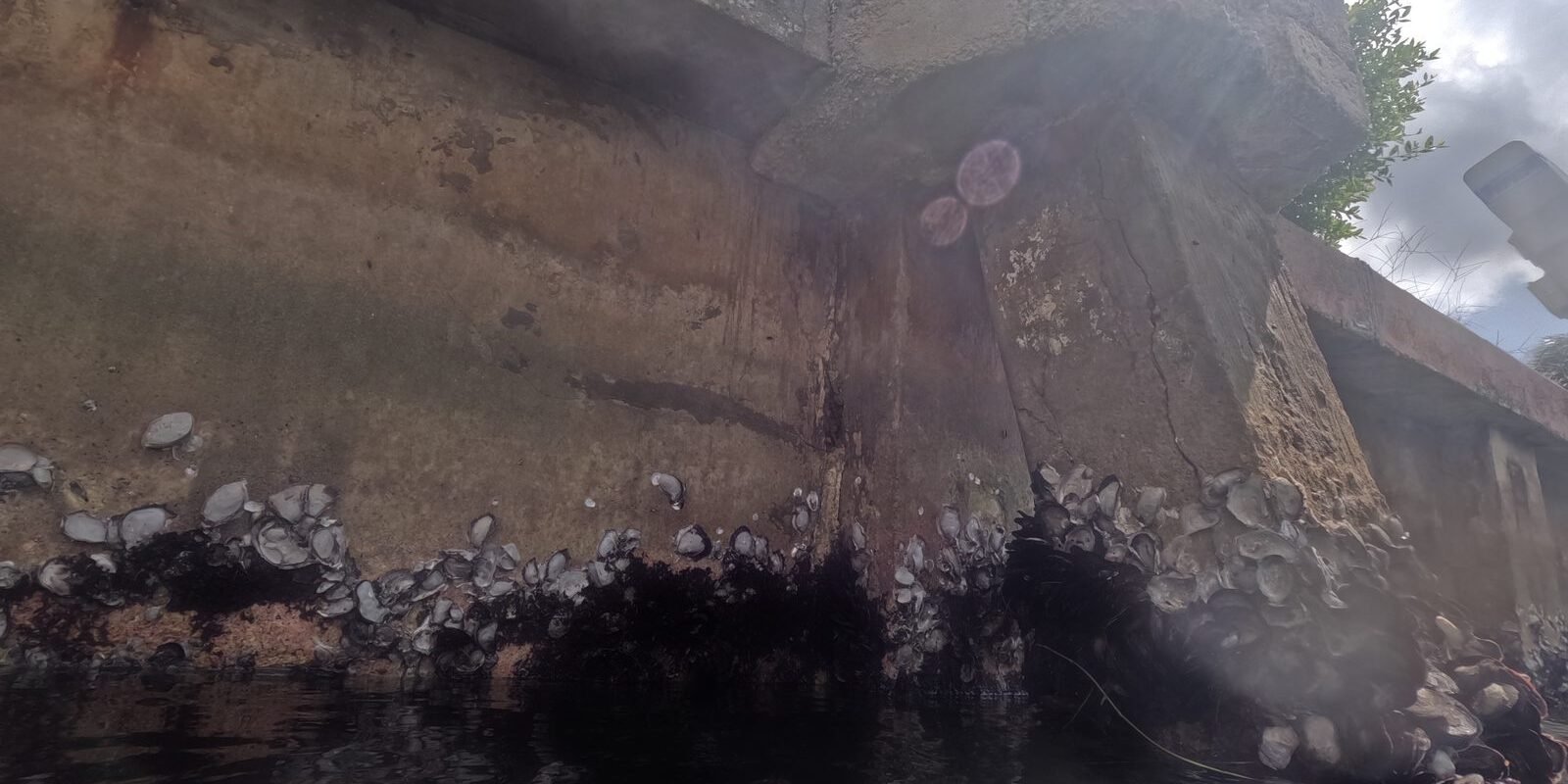
After a storm hits your dock in Miami, Coral Gables, or anywhere along the Biscayne Bay corridor, the first thing your insurer wants is proof — and the first mistake owners make is not collecting it fast enough or thoroughly enough. Documenting storm damage to docks correctly, before anything is moved or cleaned up, is what separates a paid claim from a disputed one. Souffront Contractors walks boards, property managers, and homeowners through this process on nearly every major storm event in South Florida.
Key takeaways
- Document everything before any debris is removed or repairs begin — disturbed evidence weakens your claim.
- An engineer-sealed damage assessment carries far more weight with an insurer than owner photos alone.
- Photograph structural components, not just surface damage: pilings, framing, connections, and the seawall or bulkhead the dock attaches to.
- Florida’s high-wind and flood events are classified separately by insurers — your documentation must match the cause the policy covers.
- A dock repair estimate from a licensed contractor, paired with an engineer’s report, gives the insurer a complete picture they can act on.
Why documentation is the whole game
Insurance adjusters work from what they can see, measure, and verify. If you cleaned up the dock before anyone photographed the broken framing, or if you let a crew pull damaged decking before an engineer could observe the piling displacement beneath it, that evidence is gone. The adjuster then estimates from whatever is left — and that estimate is almost always lower than the actual loss.
This is not speculation. It is the most common complaint waterfront property owners bring to us after a storm. The damage was real. The cleanup happened too fast. The claim came back short.
The fix is simple: stop, photograph, and call a structural engineer before you touch anything structural.
What to photograph the moment it is safe to do so
Your phone camera is good enough. What matters is what you point it at and when. Work through this list methodically.
Above the waterline
- Decking: missing boards, boards that have lifted or shifted, fastener pull-through. Get close-up shots and wide shots that show position relative to the dock as a whole.
- Stringers and joists: any framing you can see through gaps in the decking. Look for splits, rot exposed by impact, or members that have dropped out of alignment.
- Connections: where the dock frame meets the pilings. Bracket failures and bolt pull-out are common storm outcomes and easy to miss if you only photograph the surface.
- Handrails, cleats, dock boxes, electrical pedestals: document everything, even items that feel minor. Line items add up in a claim.
- Boat lifts and davits: if your property has a boat lift installation, photograph the motor housing, bunks, cables, and the connection point to the dock frame. Storm surge loads these components in ways normal operation never does.
At the waterline and below
- Pilings: photograph each one from the dock surface and from a boat if you can. Look for lean — a piling that has shifted even a few inches indicates the storm load transferred into the soil, which is a structural finding, not a cosmetic one.
- Piling wrap and hardware: damaged piling wrap exposes timber to marine borer activity. Document it now, because the insurer will ask whether it pre-dated the storm.
- Waterline debris impact: vessels, floating debris, and surge all leave marks at a consistent elevation on pilings. That mark tells an engineer — and an adjuster — how high the water got.
The seawall or bulkhead the dock attaches to
Many dock claims are denied or reduced because the insurer argues the damage originated in the seawall, not the storm. Photograph the cap, face, and tie-back zone of the seawall before and after the storm if you can. Cracks that opened during the event, displaced panels, or soil loss at the base are seawall findings that belong in the same claim package as the dock damage. A marine contractor who inspects both at the same time prevents that gap.
Getting an engineer-sealed damage assessment
Owner photos establish what happened. An engineer’s report establishes why it happened, how severe it is, and what it will cost to restore the structure to pre-storm condition. Insurers and their adjusters know the difference.
A Florida-licensed structural engineer inspecting your dock after a storm will:
- Observe and measure piling lean, settlement, and lateral displacement.
- Probe decking and framing for storm-accelerated deterioration versus pre-existing conditions — this distinction matters enormously in a disputed claim.
- Assess connections and hardware for load-induced failure versus normal wear.
- Evaluate the dock’s attachment to the seawall or bulkhead for displacement or separation.
- Produce a written, engineer-sealed report that documents findings, assigns cause, and supports the scope of repair.
That sealed report is what moves a claim from “under review” to “approved.” It also protects you if the insurer’s adjuster argues that damage is pre-existing. An engineer who was physically on the dock, who probed the wood and measured the displacement, carries weight that a phone photo does not.
Souffront’s dock inspection and repair assessments are quoted as a flat fee before any site visit. The report is engineer-sealed and formatted to support an insurance claim or a contractor bid.
Matching your documentation to what your policy actually covers
Florida dock insurance claims involve at least two separate cause categories: wind damage and flood or storm surge damage. They are often covered under different provisions — sometimes different policies entirely. Your documentation needs to separate them.
- Wind damage typically shows as lifted decking, connection failures at high points, and debris impact. Photograph the direction of displacement — a board that lifted on the windward side tells a different story than one pushed from below by surge.
- Flood and surge damage shows at and below the waterline: debris strikes on pilings, flotation displacement on floating docks, surge marks, and mud lines. The waterline elevation mark on your pilings is direct evidence of surge height.
- Combined events — a hurricane that brings both — require documentation of both. An engineer can help you separate the mechanisms in writing so the insurer cannot attribute flood damage to a wind-only policy limit or vice versa.
If your dock is in a navigable waterway, the U.S. Army Corps of Engineers (USACE) and Florida DEP may also be involved in the repair permitting process — particularly if storm debris affected navigation or the shoreline. Your documentation should note any such conditions for the permit record as well as the insurance claim.
What happens when the contractor shows up before the engineer does
This is a real scenario. A storm passes, a contractor you’ve used before shows up Monday morning and starts pulling damaged decking. He is trying to help. But now the framing beneath it — which showed clear storm-impact fractures — has been moved, stacked, and partially discarded. The engineer who arrives Tuesday has no structural members to examine. The insurer’s adjuster, who arrives Wednesday, sees a partially demobilized dock and an owner with phone photos of decking that is now in a dumpster.
The contractor meant well. The claim still came back at 60 cents on the dollar.
The sequence should be: document, engineer, then contractor. Not the other way around.
If emergency safety repairs are genuinely needed — a section of dock that is a fall hazard, a floating dock that has broken free — photograph everything first, label the photos with timestamps, and have the engineer on-site or reviewing photos in real time before structural members are removed.
How a construction manager or owner’s representative helps a board through a storm claim
For a condominium or HOA with a shared dock facility, the process above is harder. The board is managing residents, common areas, and vendor calls all at once. No one on the board is an engineer. The property manager is coordinating a dozen things simultaneously.
This is exactly the situation where engineer-led construction management on a storm response pays for itself. An owner’s representative — a Florida-licensed structural engineer acting as the board’s single point of contact — can:
- Walk the dock facility the day after the storm and produce an organized damage record before any contractor mobilizes.
- Write the scope of repair so the board gets comparable bids, not guesses.
- Review contractor submittals and pay applications so the board pays for work that was actually completed.
- Evaluate any change orders — separating legitimate unforeseen conditions from gaps the low bidder left in his original number.
- Coordinate with Miami-Dade DERM, the city building department, and Florida DEP on repair permits, so the board does not have to learn a permit process in the middle of a claim.
The board does not become experts in dock repair. They get one engineer who is.
Construction management for a storm-damaged dock or marine facility is scoped and quoted upfront, before the project starts. There is no mystery about what it costs or what it covers.
One thing worth stating plainly: Souffront both manages projects and performs marine construction and dock and marine construction. If a board engages us for oversight and we also have an interest in bidding the repair, that is disclosed in writing before any work begins. A board can engage us for oversight only — that happens regularly and we have no issue with it.
Talk to a Florida-licensed structural engineer
If a storm has hit your dock and you need a damage assessment that will hold up to an insurer’s scrutiny, call Souffront at (877) 420-7220. We inspect docks, produce engineer-sealed reports, and can manage the entire repair process on the board’s behalf from documentation through closeout. The inspection fee is flat and quoted before we visit. Same-business-day response on storm events throughout Miami-Dade, Broward, and Palm Beach. The contact form is directly below.
Frequently asked questions
What is the first thing I should do after a storm damages my dock?
Once it is safe to access, photograph everything before removing any debris or starting repairs. Focus on structural elements — pilings, framing connections, and the dock’s attachment to the seawall — not just surface damage. Timestamps on your photos matter. Call a Florida-licensed structural engineer to do a formal assessment before any contractor begins structural demolition.
Does my insurer need an engineer’s report, or will my own photos be enough?
Owner photos establish that damage occurred. An engineer-sealed report establishes the cause, severity, and repair scope — and distinguishes storm damage from pre-existing deterioration. Most insurers accept owner photos as supporting evidence but rely on an engineering assessment to approve the repair scope and dollar amount. A sealed report significantly reduces the chance of a partial denial.
How does an engineer separate storm damage from pre-existing dock deterioration?
A Florida-licensed structural engineer looks at fracture patterns, displacement direction, waterline surge marks, and the condition of surrounding material. A storm-impact failure on a piling looks different from one caused by marine borer activity over years. The engineer documents both in the report, which protects you if the insurer argues the damage pre-dates the storm.
What is the difference between wind damage and storm surge damage on a dock, and why does it matter for my claim?
Wind damage appears above the waterline — lifted decking, hardware failures, debris impact on elevated surfaces. Surge damage appears at and below the waterline — piling displacement, flotation loss on floating docks, mud lines, and debris strikes at a consistent elevation. Florida policies sometimes separate these under different coverage provisions or limits, so your documentation should clearly identify which mechanism caused which damage.
Can I get a dock repaired right away, or do I need a permit first?
Emergency stabilization — securing a floating dock, blocking a fall hazard — typically does not require a permit to begin. Structural repair or replacement of pilings, framing, or decking generally does require a permit from the local building department, and work in navigable waters may also require authorization from USACE or Florida DEP. Starting structural repairs without permits can complicate your insurance claim and create compliance problems. A marine contractor familiar with South Florida permitting can clarify what applies to your specific situation.
How much does a post-storm dock inspection cost in Miami?
A professional dock inspection in the Miami-Dade, Broward, or Palm Beach area is priced as a flat fee, quoted before any site visit — typically in the range of $1,500–$3,000 depending on the dock’s size, access, the number of structural components, and whether an underwater or below-waterline observation is needed. The fee covers the site visit, structural assessment, and a written engineer-sealed report suitable for insurance submission.
What is an owner’s representative, and does a condo board need one for a storm repair project?
An owner’s representative — sometimes called a construction manager or the board’s engineer — is a Florida-licensed structural engineer who acts as the association’s single point of contact through a repair project. They write the scope, run the bid process, review submittals and pay applications, evaluate change orders, and coordinate permits. A board does not need one for every project, but on a large storm-damage repair where bids run six figures and change orders arrive without context, having an engineer on the board’s side from day one prevents the most common and expensive mistakes.
My dock is on a canal in Coral Gables or Coconut Grove — are there extra permit requirements?
Yes, potentially. Docks on canals that connect to Biscayne Bay may fall under Miami-Dade DERM jurisdiction for environmental review, in addition to the city or county building department. Work that affects navigable waters may also require a USACE permit or a Florida DEP authorization. The specific requirements depend on the waterway classification, the scope of repair, and whether any work occurs below the mean high-water line. Miami-Dade DERM publishes permit guidelines, and a marine contractor familiar with the Biscayne Bay corridor can identify which agencies apply before you submit anything.
Related from Souffront Contractors: HOA and condo board compliance reports — all delivered by the same Florida-licensed structural engineering and marine construction team. Call (877) 420-7220.
About Souffront Contractors Inc.: a Florida-licensed structural engineering and marine construction firm serving Miami-Dade, Broward, and Palm Beach counties. Schedule a professional seawall inspection with a licensed structural engineer — see our seawall contractors page or call (877) 420-7220.
Got a seawall or structural question?
Five fields. Same business day from a Florida-licensed engineer, routed into our dispatch CRM in real time.
- Same business dayAcknowledgment from a Florida licensed engineer — Mon–Fri 8 AM–5:30 PM.
- Engineer-sealed reportAccepted by carriers, building departments, and real-estate transactions.
- Fixed-fee proposalNo hourly billing. Repair scope priced line-by-line.