
HOA Special Assessments for Seawall Repair: A Board Guide
How HOA and condo boards fund seawall repair through a special assessment — cost ranges, financing options, notice steps, and what to tell owners.
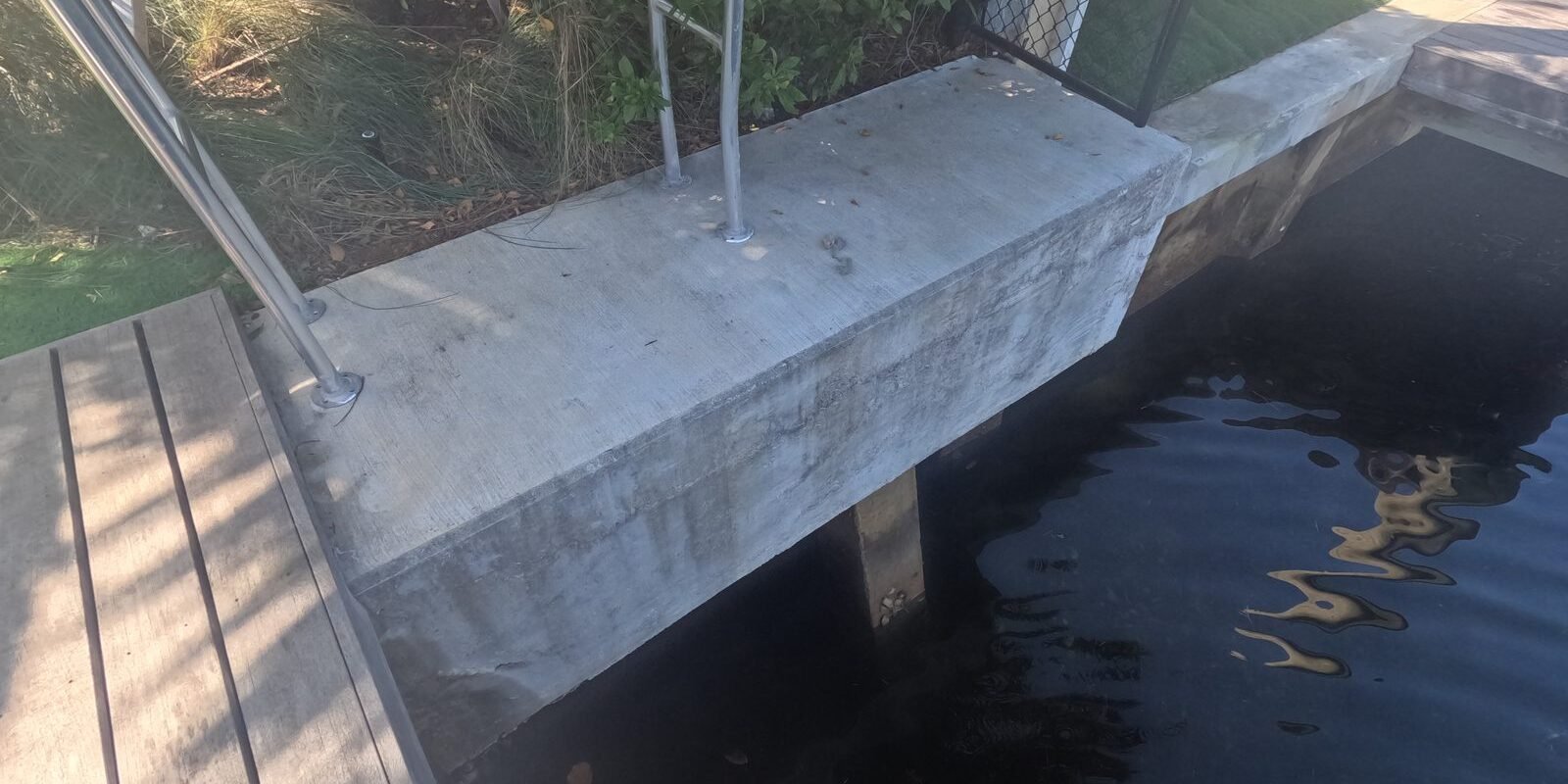
An HOA special assessment for seawall repair is a one-time charge a board levies against owners to fund work the association’s regular budget can’t cover. Boards turn to this tool when a waterfront community’s seawall shows structural distress and the repair timeline can’t wait for the next budget cycle. Souffront Contractors works with boards across Miami-Dade, Broward, and Palm Beach to scope that work with an engineer-sealed report before a single dollar is assessed.
Key takeaways
- A special assessment is a separate, one-time charge outside the normal budget — used when seawall repair costs exceed what reserves or dues can absorb.
- Boards should start with a structural evaluation from a Florida-licensed structural engineer before setting the assessment amount, so the number is based on documented findings, not a guess.
- Seawall repair pricing is generally quoted per linear foot of wall, with moderate repairs running roughly $100–$250 per linear foot and full panel or tieback replacement running roughly $400–$600 per linear foot.
- Florida’s homeowner and condominium association statutes (Chapters 720 and 718) require specific notice and voting procedures before a board can levy a special assessment — association counsel should review the process.
- Boards that document the engineering findings, get competitive numbers, and communicate a clear timeline see far less owner pushback than boards that surprise residents with a bill.
Why seawalls end up needing a special assessment
Seawalls fail slowly, then all at once. A wall that looked stable for a decade can develop a bulge, a crack line, or a soil void behind it within a year or two once corrosion or wave action takes hold. Most associations don’t carry a dedicated seawall repair fund large enough to cover a mid-size job, so when an engineer flags a wall as deteriorating, the board is often choosing between a special assessment, a loan, or deferring the work — and deferring almost always costs more later.
Common triggers boards see before an assessment conversation starts:
- Visible cracking, spalling, or leaning in the seawall cap or panels
- Soil or fill loss behind the wall, sometimes showing up as sinkholes or soft spots in the lawn near the wall
- Rust staining bleeding through concrete, a sign of corroding rebar or steel sheet
- A neighboring property’s wall failing, which raises the odds of similar deterioration next door
- A county or code enforcement notice tied to the seawall’s condition
Start with an engineering evaluation, not a guess
Before a board sets an assessment amount, it needs a documented structural evaluation from a Florida-licensed structural engineer. That evaluation is priced as a flat fee, quoted upfront before any site visit — the board knows the cost before committing, and the price reflects the scope of the evaluation itself, not the length of the wall. A residential-scale evaluation typically runs $1,500–$3,000 depending on complexity, including how many structural components are reviewed and whether a below-waterline assessment is needed.
The resulting engineer-sealed report gives the board three things it needs before going to owners: a condition rating for each section of wall, a prioritized scope of repair, and a cost basis the board can defend if an owner challenges the assessment.
How seawall repair costs translate into an assessment amount
Once the engineer defines the scope, a licensed marine contractor prices the repair. Unlike the evaluation fee, repair work is generally quoted per linear foot of wall, because material and labor quantities scale directly with wall length. General South Florida ranges:
- Moderate repairs (cap repair, spot panel repair, drainage fixes): roughly $100–$250 per linear foot
- Full panel and tieback replacement: roughly $400–$600 per linear foot
A board dividing the total repair cost across units should also budget for permitting, engineering oversight during construction, and a contingency — most boards add 10–15% to the contractor’s number to cover unforeseen conditions like additional soil loss discovered once excavation starts.
Special assessment vs. loan vs. savings
Boards generally have three ways to fund seawall repair, and most large projects end up using a combination:
- Special assessment — fastest to fund, no interest cost, but the full amount hits owners at once. Best when the wall’s condition doesn’t allow for a phased timeline.
- Association loan — spreads the cost over years with a fixed payment added to dues. Useful when the repair is large but not urgent enough to justify a lump-sum hit to owners.
- Existing savings or capital funds — if the association has set aside money for exactly this kind of repair, it can offset or eliminate the need for a special assessment.
Many boards combine a partial special assessment with a loan to keep the per-owner charge manageable while still funding the repair on the engineer’s recommended timeline.
Notice, voting, and legal steps
Florida’s association statutes set out how a special assessment has to be noticed and approved, and the exact requirements differ between condominium associations (Chapter 718) and homeowner associations (Chapter 720). In general, boards need to:
- Provide written notice to all owners with the specific purpose and estimated amount of the assessment
- Hold a board meeting (and in some cases a membership vote, depending on the association’s governing documents) with proper notice posted in advance
- Document the engineering basis for the assessment — the sealed report becomes part of that record
- Set a payment schedule, including any installment options the governing documents allow
Because these requirements vary by association type and by the specific language in each community’s declaration and bylaws, boards should have association counsel review the notice and vote before it goes out.
Communicating the assessment to owners
The boards that get the least pushback are the ones that lead with the engineering findings, not the bill. Share the sealed report, or at minimum a summary of the condition ratings, alongside the assessment notice. Explain what happens if the repair is delayed — continued deterioration typically means a larger repair scope and a higher cost later, not a lower one. Give owners the payment plan options up front rather than making them ask.
A short Q&A session, either in person or by video call, before the formal vote also reduces the number of owners who show up to the meeting only to object. Most objections come from owners who feel blindsided, not from owners who disagree with the engineering.
Talk to a Florida-licensed engineer
If your board is weighing a special assessment for seawall repair, start with a documented condition evaluation. Souffront Contractors is one company that inspects, engineers, permits, and builds seawall repairs across Miami-Dade, Broward, and Palm Beach — the engineer-sealed report your board needs is quoted as a flat fee before any site visit, and our team responds to board inquiries the same business day. Call (877) 420-7220 or use the form below to schedule.
Frequently asked questions
How do we know if our seawall needs repair versus just monitoring?
A structural evaluation from a licensed engineer is the only reliable way to tell. Visible cracking, leaning, soil loss behind the wall, or rust staining are all signs worth having assessed, but only a documented inspection can rate the severity and set a repair timeline the board can act on.
How much should we budget for a seawall special assessment?
It depends entirely on the scope the engineer identifies. Moderate repairs run roughly $100–$250 per linear foot, while full panel and tieback replacement runs roughly $400–$600 per linear foot. A board should get a sealed engineering report first, then a contractor bid, before setting the assessment amount.
Can our association split a special assessment into payments?
Many governing documents allow installment payment plans for special assessments, and boards commonly offer them to reduce hardship on owners. Check your association’s declaration and bylaws, and have counsel confirm what payment terms are permitted.
What happens if we delay a seawall repair to avoid a special assessment?
Seawall deterioration doesn’t pause. Delaying repair typically allows cracking, soil loss, or corrosion to progress, which increases both the scope and the eventual cost of the work — and can create safety or code compliance issues in the meantime.
Do we need a permit for seawall repair?
Yes. Seawall repair in South Florida typically requires permitting through the county environmental agency and may involve state or federal review depending on the scope and location. An engineer-led project should include permitting as part of the scope of work.
Should the board get more than one repair estimate?
Yes. Once the engineering report defines the scope, getting competitive contractor bids on that same defined scope helps the board confirm the assessment amount is reasonable and gives owners confidence the number wasn’t set arbitrarily.
Who pays for the engineering evaluation itself — is that part of the assessment?
Boards typically fund the evaluation from operating funds or a small initial assessment, separate from the larger repair assessment, since the evaluation needs to happen before the full repair cost — and therefore the full assessment amount — is even known.
Does a special assessment affect property values in the community?
A documented, well-managed seawall repair generally protects property values, since a deteriorating seawall is a disclosure issue for sellers and a risk factor for buyers and lenders. Communities that defer known structural issues typically see a bigger value impact than communities that address them proactively.
About Souffront Contractors Inc.: a Florida-licensed structural engineering and marine construction firm serving Miami-Dade, Broward, and Palm Beach counties. Work with a Florida-licensed seawall contractor who is also the engineer of record — or call (877) 420-7220.
Got a seawall or structural question?
Five fields. Same business day from a Florida-licensed engineer, routed into our dispatch CRM in real time.
- Same business dayAcknowledgment from a Florida licensed engineer — Mon–Fri 8 AM–5:30 PM.
- Engineer-sealed reportAccepted by carriers, building departments, and real-estate transactions.
- Fixed-fee proposalNo hourly billing. Repair scope priced line-by-line.