
How to Read a Seawall Inspection Report | Souffront
How to read a seawall inspection report as a property manager: condition ratings, structural findings, and recommendations explained clearly.
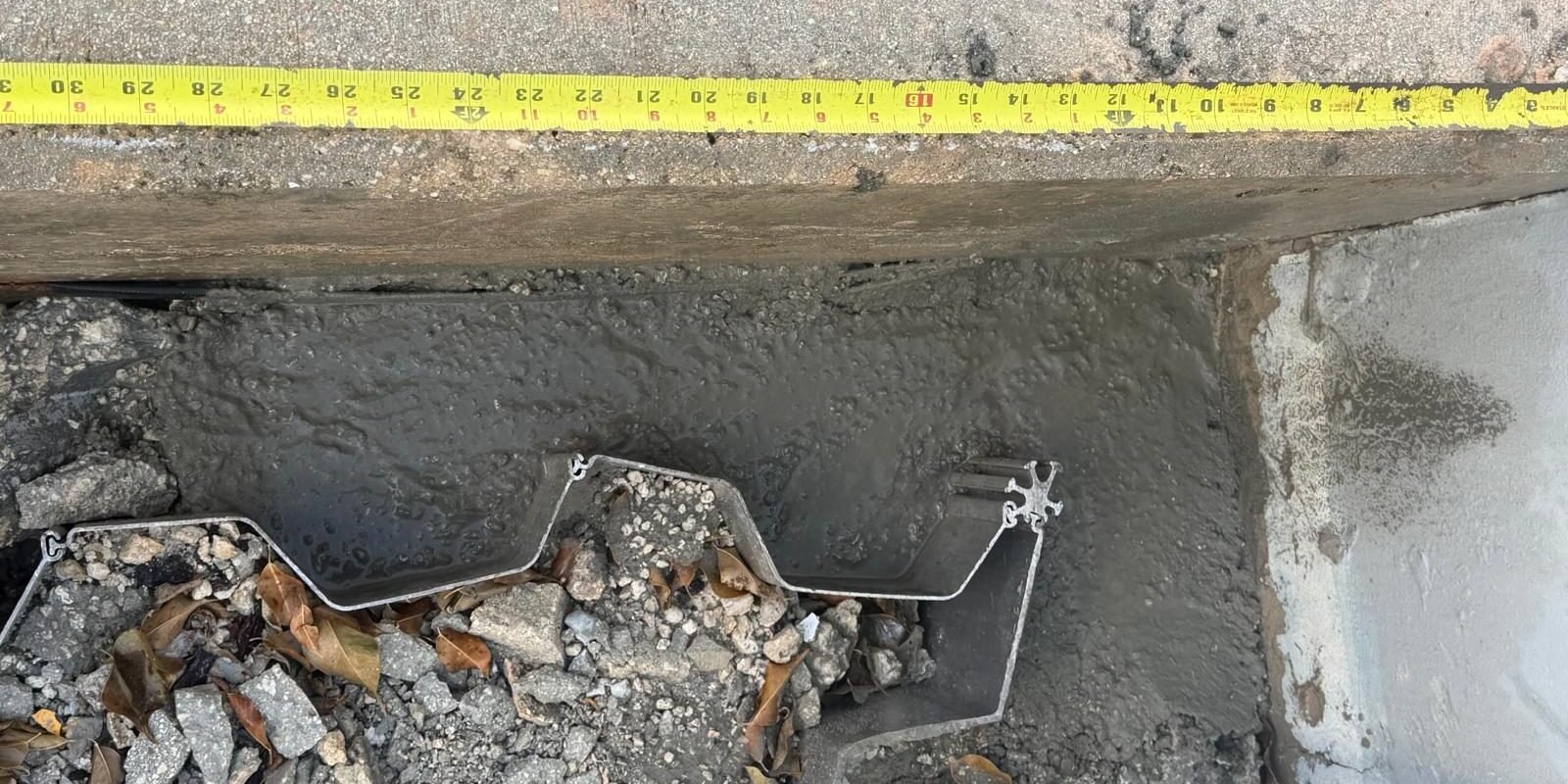
A seawall inspection report tells you three things: what condition each structural component is in, what’s causing that condition, and what to do about it before it becomes an emergency. Property managers who know how to read a seawall inspection report can move board approvals faster, budget repairs accurately, and catch the difference between routine maintenance and a liability risk. Souffront Contractors writes every report to be usable by a board that has never seen one before, but the terminology still trips up first-time readers.
Key takeaways
- A seawall inspection report is organized around structural components — panels, piles, cap, and tiebacks — each with its own condition rating.
- Condition ratings run Good, Fair, Poor, Critical, and Very Poor, each tied to a specific action window (monitor, 12 months, 3–6 months, or immediate).
- Recommendations are split into Immediate, Short-Term, and Long-Term so a board can sequence repairs by urgency and budget.
- A report signed by a Florida-licensed structural engineer carries legal and insurance weight — it’s not the same as a contractor’s estimate.
- Photos in the appendix are keyed to specific findings; matching them to the text is the fastest way to verify a claim.
Why the report is structured the way it is
A seawall inspection report follows a fixed structure so that engineers, insurers, and boards can all read it the same way. The report typically opens with an executive summary and property information, moves into a structural components assessment, then closes with a professional opinion and recommendations. This order matters: the summary tells you the headline, and everything after it supports that conclusion with evidence.
Unlike a repair quote, an engineer-led seawall inspection is not selling anything. It’s a professional opinion, sealed by a licensed engineer, describing the wall’s condition as observed on the day of inspection. Treat it as a record — you may need it for insurance claims, permit applications, or a future sale.
Understanding the structural components section
This is the core of the report. Each component gets its own findings and its own condition rating. Knowing the vocabulary makes the rest of the report readable.
Seawall panels
The vertical concrete sections that hold back soil and water. Look for notes on cracking, spalling (concrete breaking away from exposed rebar), leaning, or bulging — bulging usually points to soil loss behind the wall.
Piles
The vertical supports driven into the seabed that carry the wall’s load. Reports often distinguish batter piles (angled, resisting lateral pressure) from king piles (vertical, load-bearing). Rust staining on a pile usually means the internal rebar is corroding.
Cap
The horizontal concrete beam running along the top of the wall. Cap cracking is common and not always urgent, but a cracked cap combined with panel movement is a different story — the report should connect the two.
Tiebacks
The buried anchor rods that hold the wall against the soil pressure behind it. Tieback failure is one of the more serious findings because it’s invisible from the water side until the wall has already started to move.
The condition rating system, explained
Each component gets one of five ratings. These aren’t marketing language — they map to a specific recommended timeline.
- Good — No significant issues. Routine monitoring only.
- Fair — Minor deterioration. Maintenance recommended within 12 months.
- Poor — Significant deterioration. Repairs recommended within 3–6 months.
- Critical — Immediate structural risk. Action required now.
- Very Poor — Near failure. Full replacement is typically recommended.
If your report lists a single component as Critical, that finding should drive your board’s next meeting agenda regardless of what the rest of the wall looks like. One failed component can compromise the whole structure.
Reading the recommendations section
A well-written report separates recommendations by timeline rather than listing everything at once. Read this section before you read anything else if you’re short on time.
- Immediate — Safety-critical items. These need a contractor conversation this week, not next quarter.
- Short-term — Items to fund and schedule within the next repair cycle, typically 3–12 months.
- Long-term — Monitoring items or deferred maintenance that should be revisited at the next inspection.
This structure is what makes a report usable for HOA compliance reporting — you can hand the Immediate and Short-term items directly to your board’s budget committee without translating anything yourself.
Red flags a property manager should never sit on
- Any component rated Critical or Very Poor.
- Visible soil loss or voids behind the wall (a sign the wall is actively failing, even if the panels look intact).
- Active leaning or bulging noted as “progressive” or “worsening since last inspection.”
- Missing or blocked weep holes and drainage — these relieve water pressure behind the wall, and their absence accelerates every other problem.
Any of these findings should trigger a call to a licensed contractor before the next board meeting, not after.
Using the photos and appendix correctly
Every finding in the narrative should be traceable to a labeled photo in the report’s photo pages. If a section says “spalling observed on Panel 4, southeast corner” you should be able to locate that exact photo and see it for yourself. If you can’t match a written finding to a photo, ask the engineer’s office for clarification — a credible report is fully documented, not just asserted.
Talk to a Florida-licensed engineer
If your board received a report with Poor, Critical, or Very Poor findings and needs a second opinion, a clear repair scope, or help translating the report into a board presentation, contact Souffront Contractors. Every inspection is a flat, fixed fee quoted before the site visit, and the report is sealed by a Florida-licensed structural engineer — the same person who can walk your board through it in plain language. Request a report review or a new inspection using the form below.
Frequently asked questions
What’s the difference between a seawall inspection report and a repair quote?
An inspection report is a sealed professional opinion from a Florida-licensed structural engineer describing the wall’s current condition. A repair quote is a contractor’s price to fix specific items. A credible inspection report doesn’t sell repairs — it documents findings that a separate repair scope is then built from.
How often should a property manager order a seawall inspection?
Most South Florida associations inspect every 3–5 years, or sooner if a storm event, visible cracking, or a neighboring property’s repair work raises concern. Waterfront properties in high-exposure areas often benefit from more frequent monitoring.
What does a “Critical” rating actually require me to do?
A Critical rating means the component poses an immediate structural risk. It should be brought to your board or ownership within days, not at the next scheduled meeting, and typically requires a licensed contractor to scope repairs right away.
Can I use the report for an insurance claim?
Yes. Because the report is sealed by a licensed engineer, it carries more weight with insurers than a contractor’s assessment. Keep the full report, including photos, on file — insurers frequently request the complete document, not a summary.
Why does the report separate “Immediate,” “Short-Term,” and “Long-Term” recommendations?
This structure lets a board sequence spending by urgency instead of tackling every finding at once. Immediate items address safety risk; Short-Term and Long-Term items let you plan repairs into a normal budget cycle.
What if two components have conflicting ratings — one Good, one Poor?
This is common and not a contradiction. A seawall’s panels, piles, cap, and tiebacks deteriorate independently. The report rates each component on its own merits so you can prioritize the one that actually needs attention rather than treating the whole wall as one uniform risk.
Do I need a permit before repairing what the report flags?
In most Miami-Dade and Broward jurisdictions, seawall repair work requires a permit, and larger repairs may need Miami-Dade DERM review. A licensed engineer’s report is typically part of the permit submittal package.
Who should present the report findings to the board?
Ideally, the inspecting engineer or someone from their office. Property managers can summarize the Immediate and Short-Term sections themselves, but Critical or Very Poor findings are best explained directly by the engineer to avoid miscommunication during a board vote.
About Souffront Contractors Inc.: a Florida-licensed structural engineering and marine construction firm serving Miami-Dade, Broward, and Palm Beach counties. Arrange a seawall inspection in Broward County with same-week scheduling — or call (877) 420-7220.
Got a seawall or structural question?
Five fields. Same business day from a Florida-licensed engineer, routed into our dispatch CRM in real time.
- Same business dayAcknowledgment from a Florida licensed engineer — Mon–Fri 8 AM–5:30 PM.
- Engineer-sealed reportAccepted by carriers, building departments, and real-estate transactions.
- Fixed-fee proposalNo hourly billing. Repair scope priced line-by-line.