
How Much Does Marina Construction Cost a Florida HOA?
A field breakdown of what marina and floating dock construction actually costs South Florida associations — permitting, pilings, decking, and the line items boards forget to budget.
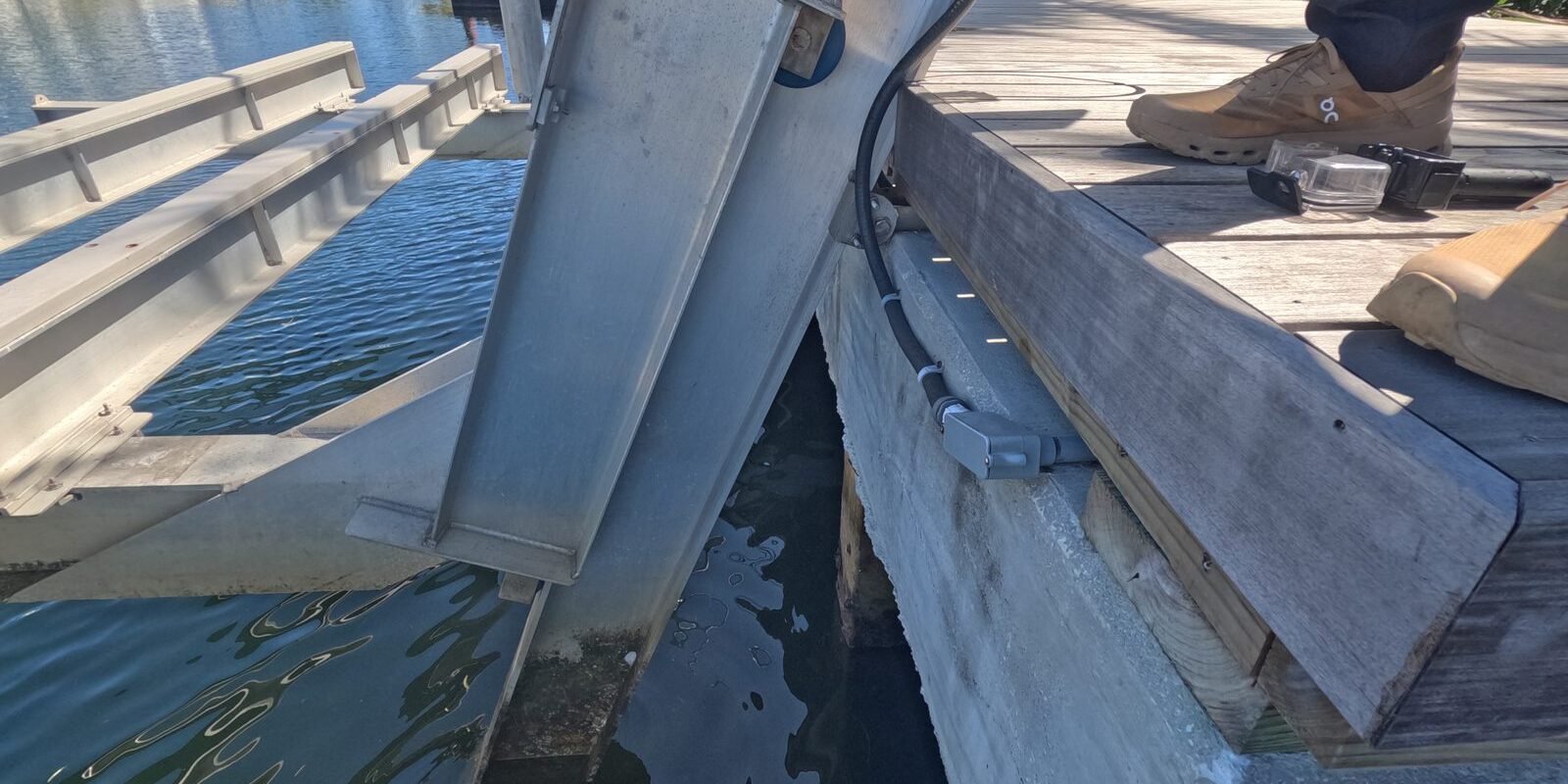
Marina construction in South Florida typically runs $150–$450 per square foot for the dock structure alone, before permitting, engineering, utilities, and a contingency line most associations forget to include. If you manage a community marina in Coconut Grove, Key Biscayne, or anywhere along Biscayne Bay, the number your board needs isn’t “what does a dock cost” — it’s the full project budget, because the dock itself is usually less than half of it.
We’ve walked marina projects for boards that budgeted for the deck and got surprised by everything underneath it — pilings, utilities, and a federal permit they didn’t know they needed. Souffront Contractors is an engineer-led firm that inspects, designs, permits, and builds marine structures in Miami-Dade and Broward, so this is the same budget breakdown we walk boards through before a project goes out to bid.
Key takeaways
- Fixed concrete or timber dock construction generally runs $150–$300 per square foot; floating dock systems run $250–$450 per linear foot of finger pier, depending on materials and utility runs.
- Marina work in navigable water almost always needs a U.S. Army Corps of Engineers permit in addition to Miami-Dade DERM and local building department sign-off — budget 4–8 months for permitting alone.
- Pilings are the line item boards underestimate most: $150–$400 each installed, and a mid-size marina can need 40–100+ of them.
- A realistic marina budget carries 15–20% contingency. Marine construction hits unknowns — buried debris, unexpected soil conditions, utility conflicts — that a land project rarely does.
- Soft costs (survey, geotechnical borings, structural engineering, permitting fees) typically run 10–15% of total project cost and are due before construction starts, not spread across it.
What actually makes up a marina construction budget
A community marina project isn’t one line item. It’s five or six, and boards that only budget for the visible one — the dock deck — are the ones who get hit with a change order in month three.
Pilings and substructure
Everything the dock sits on. In South Florida, that’s typically precast concrete or treated timber piles driven to bearing depth, run $150–$400 per piling installed depending on length, material, and whether a barge-mounted pile driver is needed to reach the work. A marina with 20 slips can easily need 60–80 pilings between the main walkway and finger piers.
Decking and structure
Concrete decking costs more upfront than timber or composite but needs less maintenance in saltwater — a real factor over a 20-30 year structure life. Floating dock systems, common for marinas with more tidal range or deeper water, add the cost of the flotation modules and the piling guides that let the dock ride up and down with the tide.
Utilities
Shore power pedestals, water lines, and lighting run along the dock and need to be rated for marine and saltwater exposure. This is frequently underbid because a general contractor quotes standard electrical, not marine-grade.
Permitting and engineering
This is the part associations budget least and need most. A marina in navigable water needs sign-off from the U.S. Army Corps of Engineers, Miami-Dade DERM, and the local building department, plus a Florida-licensed structural engineer’s sealed drawings before any permit gets issued. Budget both the fee and the time — permitting alone can take 4-8 months before the first piling goes in the water.
Demolition and site prep
If you’re replacing an existing marina rather than building new, add removal of the old structure and disposal of treated timber, which has its own handling requirements. Boards renovating an aging marina almost always underestimate this line.
Where the surprises come from
The two things that blow up a marina budget mid-project are almost always the same: what’s buried, and what’s not in the bid.
- Subsurface conditions. Old pilings, riprap, or debris from a prior structure that a geotechnical survey didn’t catch until the barge got there.
- Scope gaps in the low bid. A bid that’s meaningfully lower than the others usually left something out — electrical, a permit fee, disposal cost — and the board finds out when the change order arrives.
A geotechnical survey before bidding, and a scope of work detailed enough that every contractor bids the same list, close most of this gap before it ever becomes a change order.
Who reviews the change orders once the project starts
This is the part most boards aren’t set up for. Once a marina project is underway, someone has to look at every change order and tell the board whether it’s a real differing condition or a gap in the original bid the board is now paying to close. Most boards don’t have anyone who reads structural drawings, so they end up approving whatever the contractor puts in front of them.
This is what engineer-led construction management is for — the board gets a Florida-licensed structural engineer as its point of contact from scope through closeout, reviewing submittals, checking pay applications against work actually completed, and telling the board in plain terms whether a change order is legitimate. It’s scoped and quoted per project, upfront, before work starts — not a percentage add-on nobody sees coming.
Building a realistic number before you go to bid
- Get a structural condition assessment of anything you’re keeping (pilings, seawall, bulkhead) so the scope reflects reality, not guesswork.
- Commission a geotechnical survey before finalizing the budget, not after bids come in.
- Write a scope of work detailed enough that three contractors bid the identical project.
- Add 15-20% contingency, separate from the base construction number, and don’t let it get spent on upgrades.
- Budget permitting timeline as a cost — carrying costs and delayed slip revenue add up over a 6-8 month approval window.
Talk to a Florida-licensed engineer
If your board is scoping a marina, dock, or bulkhead project, get a written structural assessment before you set the budget — it’s the difference between a number that holds and one that gets revised in month three. Souffront is a Florida-licensed engineering firm that inspects, designs, permits, and builds marine structures in-house, with a fixed-fee inspection quoted before any site visit and same-business-day response. The contact form below gets you started.
Frequently asked questions
How much does marina construction cost in Florida?
Fixed dock construction typically runs $150–$300 per square foot, and floating dock systems run $250–$450 per linear foot of finger pier, before permitting and engineering. A full community marina project, including pilings, utilities, permitting, and contingency, commonly lands well above the base construction number alone — get a project-specific scope before setting a board budget.
Do I need a federal permit to build a marina in South Florida?
Almost always, yes. Work in navigable water requires a U.S. Army Corps of Engineers permit in addition to Miami-Dade DERM and local building department approval. Budget 4-8 months for the full permitting process before construction can start.
Why do marina projects go over budget?
The two most common causes are subsurface conditions a geotechnical survey didn’t catch — old pilings, debris, unexpected soil — and scope gaps in the low bid that surface as change orders once work is underway. A pre-bid geotechnical survey and a tightly written scope of work close most of that gap before it starts.
Should I choose concrete or timber decking for a marina?
Concrete decking costs more upfront but holds up better in saltwater over a 20-30 year structure life, with less recurring maintenance. Timber costs less initially but needs more frequent inspection and replacement in a marine environment. The right choice depends on the marina’s use, budget, and how long the association plans to hold the structure before major renovation.
Who reviews change orders during marina construction?
On most association projects, nobody with structural training does — the board approves what the contractor submits. Engaging a Florida-licensed structural engineer as construction manager or owner’s representative puts someone on the board’s side who can tell a real differing condition from a bid gap before it’s approved.
How many pilings does a typical community marina need?
It depends on slip count and dock configuration, but a mid-size marina with 20 slips commonly needs 60-80 pilings between the main walkway and finger piers, at roughly $150-$400 per piling installed.
Does marina construction include seawall or bulkhead work?
Not automatically — a marina and an adjacent seawall or bulkhead are typically scoped and permitted separately, even when built at the same time. If your marina sits against a bulkhead that needs repair, get both structures assessed together so the budgets and permitting timelines are coordinated rather than surprising each other mid-project.
How long does a marina construction project take from permit to completion?
Permitting alone commonly runs 4-8 months given the federal, county, and local approvals involved. Construction itself, once permitted, typically runs 3-6 months for a mid-size community marina, depending on piling count and weather windows.
Related from Souffront Contractors: commercial property inspections, HOA and condo board compliance reports and dock repair — all delivered by the same Florida-licensed structural engineering and marine construction team. Call (877) 420-7220.
About Souffront Contractors Inc.: a Florida-licensed structural engineering and marine construction firm serving Miami-Dade, Broward, and Palm Beach counties. Learn more about engineer-led seawall repair across South Florida — see our seawall contractors page or call (877) 420-7220.
Got a seawall or structural question?
Five fields. Same business day from a Florida-licensed engineer, routed into our dispatch CRM in real time.
- Same business dayAcknowledgment from a Florida licensed engineer — Mon–Fri 8 AM–5:30 PM.
- Engineer-sealed reportAccepted by carriers, building departments, and real-estate transactions.
- Fixed-fee proposalNo hourly billing. Repair scope priced line-by-line.