
Sea Level Rise & Seawall Cap Elevation in Miami-Dade
Sea level rise is changing the seawall cap elevation Miami-Dade waterfront properties need. See the data, the permitting rules, and when to raise or rebuild.
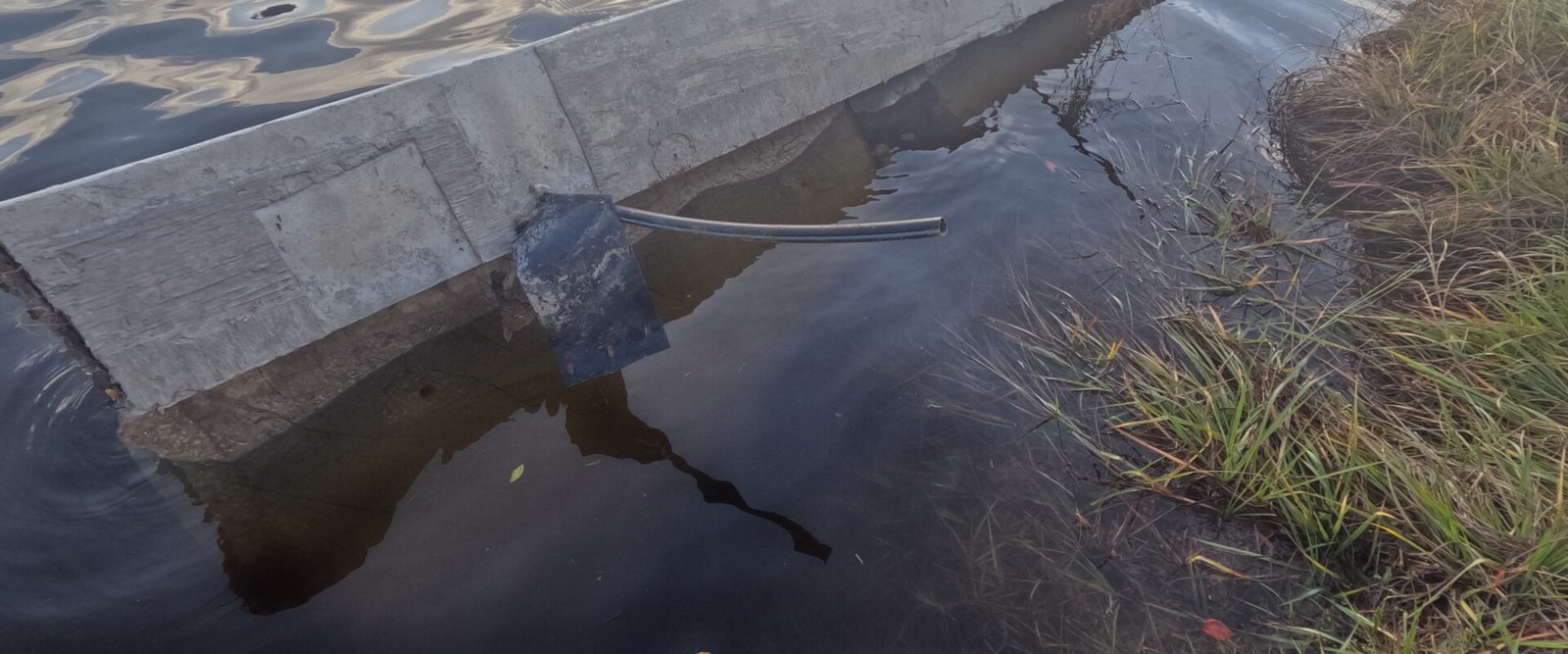
Rising water means the seawall cap elevation Miami-Dade engineers specified 20 or 30 years ago is often no longer high enough. Along Biscayne Bay — from Coconut Grove and Coral Gables to Miami Beach and the barrier islands — king tides now regularly reach cap heights that used to stay dry, and Souffront Contractors is seeing more waterfront homeowners and condo boards ask the same question: how high does our cap actually need to be now?
Key takeaways
- Local tide data, not the wall’s original design date, should set the target cap elevation.
- The Southeast Florida Regional Climate Compact’s unified sea level rise projections put roughly 10–17 inches of additional rise above the year-2000 baseline within the medium planning horizon used for infrastructure through 2040 — a range engineers use when sizing freeboard, not a guarantee.
- Overtopping during king tides, standing water on the cap at high tide, and interior yard flooding without rain are the clearest signs a cap is already too low.
- A cap can sometimes be raised on the existing wall; a wall with deteriorated panels or piles usually needs to be rebuilt to the new elevation instead.
- Miami-Dade County and coastal cities set minimum cap elevation requirements through their resilience codes and permitting review — a new or rebuilt seawall has to meet the current standard, not the old one.
What “seawall cap elevation” means and why sea level rise moves the target
The cap is the flat concrete top of a seawall — the finished surface most owners think of as “the seawall.” Its elevation is measured against the NAVD88 vertical datum, the same reference used for FEMA flood maps and most South Florida engineering drawings. A cap poured to a code-compliant height in 1995 was measured against the water levels of 1995. Mean sea level along the Miami-Dade coast has risen measurably since then, so a cap that once sat safely above high tide can now sit right at it.
This is why seawall inspection today includes an elevation survey, not just a visual check for cracks. A Florida-licensed structural engineer needs the cap’s actual current elevation, compared against current tide and flood data, before recommending anything.
How much has the water risen, and how much more is coming
NOAA’s long-running tide gauges in the Miami area show a clear upward trend in both mean sea level and the frequency of minor tidal flooding — the “king tides” that flood low-lying streets and docks several times a year without a drop of rain. The Southeast Florida Regional Climate Compact, the four-county planning body that includes Miami-Dade, publishes unified sea level rise projections used by local governments for infrastructure and building decisions. Their medium projection calls for roughly 10 to 17 inches of additional rise above the year-2000 baseline by 2040, with higher totals under longer planning horizons.
Those numbers matter for one practical reason: an engineer sizing a new or replacement cap elevation today has to design for the water level expected over the structure’s service life, not the water level on the day it’s poured.
How engineers actually set a target cap elevation
Setting a defensible number takes more than picking a round figure. A structural engineer typically works through:
- Current tidal datums — mean high water and mean higher-high water at the nearest NOAA station, which set the baseline the wall has to clear on an ordinary day.
- FEMA Base Flood Elevation (BFE) — the flood elevation tied to the property’s FEMA flood zone, which drives insurance and, in many cases, permitting minimums.
- Freeboard — extra height added above the calculated minimum as a margin for wave action, storm surge, and the sea level rise expected over the next several decades.
- Site-specific exposure — open bay frontage, a canal, a marina basin, and a protected finger canal don’t get the same wave and surge exposure, even a few hundred feet apart.
This is also where the county’s own permitting requirements come in. Miami-Dade’s environmental review, coordinated through the county’s DERM program, and coastal city building departments both weigh in on minimum cap elevations for new construction and major repairs — a project has to satisfy whichever standard is higher.
Signs your current cap elevation is already too low
Owners and HOA boards usually notice a problem before an engineer confirms it. Common signs include:
- Water standing on top of the cap during king tides (typically fall, and again in spring) with no rain involved
- A seawall repair contractor or landscaper mentioning saltwater intrusion in the yard on clear, calm days
- Visible tide lines or salt staining higher up the cap face than in past years
- A dock or seawall cap that floods before neighboring properties do, suggesting it sits lower than the surrounding grade
- Increasing frequency of minor flooding events compared to five or ten years ago
None of these alone proves the cap needs to be raised — soil settlement, drainage problems, and a failing wall further down the property line can cause the same symptoms. That’s why the diagnosis should come from a licensed engineer, not a guess based on one flood event.
Raising a cap vs. full seawall replacement
Once low elevation is confirmed, the fix depends on the condition of the wall underneath the cap, not just the cap itself:
- Cap raise on an existing wall — viable when the panels, cap beam, and piles are structurally sound. The engineer designs a new, taller cap tied into the existing structure. This is the lower-cost path when the underlying wall has years of service life left.
- Full or partial seawall replacement — necessary when panels are cracked or bowing, piles show corrosion or section loss, or the wall is near the end of its design life. In that case, the new elevation gets built into the replacement design from the start rather than added after the fact.
An engineer who both inspects and builds seawalls — rather than one who only writes reports — tends to give a more realistic answer here, because the recommendation has to account for what’s actually constructible on that wall, not just what a spec sheet calls for. Seawall repair and full seawall construction are both viable depending on what the inspection finds.
Permitting: what Miami-Dade and coastal cities require
Any work that changes a seawall’s elevation — raising a cap, rebuilding a section, or replacing the wall — goes through environmental and building permitting, not just a building permit application. Miami-Dade’s environmental review process (administered through the county’s DERM program) evaluates work in and along tidal waters, and many coastal cities layer their own resilience code minimums on top of the county requirement. Where a project also touches navigable federal waters, the U.S. Army Corps of Engineers may have jurisdiction as well.
Skipping this step, or building to an outdated elevation standard, is one of the most common reasons a seawall project gets flagged for a violation notice later. A violation response after the fact costs far more time and money than getting the elevation right in the permit set the first time.
For the regulatory backdrop, see Miami-Dade County’s environmental resources page and the Florida Department of Environmental Protection, both of which have jurisdiction over coastal construction in Miami-Dade.
Talk to a Florida-licensed engineer
If you’re not sure whether your seawall cap is still high enough for current tides, the first step is an on-site inspection and elevation survey from a Florida-licensed structural engineer — not a repair quote. Souffront Contractors inspects, engineers, permits, and builds as one company, so the elevation recommendation and the construction plan come from the same firm. Inspections are a fixed fee, typically $1,500–$3,000 depending on complexity, quoted upfront before any site visit. Call (877) 420-7220 or use the form below to schedule.
Frequently asked questions
How do I know if my seawall cap elevation is too low for current sea levels?
The clearest signs are water standing on the cap during king tides with no rain, saltwater intrusion in the yard on calm days, and visible tide staining higher on the cap than in past years. A licensed engineer can confirm the exact elevation with a survey and compare it against current tidal and flood data for your property.
How much has sea level risen in Miami-Dade?
NOAA tide gauge records show a measurable rising trend in Miami-area mean sea level over recent decades, along with more frequent minor tidal flooding. The Southeast Florida Regional Climate Compact’s medium planning projection calls for roughly 10 to 17 inches of additional rise above the year-2000 baseline by 2040.
Can I just raise the cap on my existing seawall, or do I need a new wall?
You can often raise the cap alone if the panels, cap beam, and piles underneath are structurally sound. If the wall shows cracking, bowing, or corroded piles, a full or partial rebuild to the new elevation is usually the safer and more cost-effective long-term option.
What permits are required to raise a seawall cap in Miami-Dade?
Work that changes a seawall’s elevation goes through Miami-Dade’s environmental review process, typically alongside a city or county building permit, and many coastal municipalities apply their own resilience code minimums on top of the county standard. Projects touching navigable federal waters may also require U.S. Army Corps of Engineers review.
Does FEMA’s flood elevation apply to seawall cap height?
FEMA’s Base Flood Elevation for your property’s flood zone is one of the factors an engineer uses to set a target cap elevation, but it isn’t the only one. Local tidal data, freeboard for storm surge and future sea level rise, and site-specific wave exposure all factor into the final number.
How much does it cost to raise a seawall cap in Miami-Dade?
Cost depends on the length of wall, the condition of the structure underneath, and whether it’s a cap raise or a full rebuild. Repair and construction work is typically priced per linear foot rather than as a flat fee — a licensed engineer can give a scoped estimate once the inspection identifies exactly what the project requires.
Is Souffront Contractors a marine contractor or an engineering firm?
Both. Souffront Contractors is a Florida-licensed structural engineering and marine construction firm, meaning the same company that inspects and engineers a seawall project can also build it. That combination matters most on cap elevation work, where the engineering recommendation has to match what’s actually buildable on the existing wall.
Related from Souffront Contractors: HOA and condo board compliance reports — all delivered by the same Florida-licensed structural engineering and marine construction team. Call (877) 420-7220.
About Souffront Contractors Inc.: a Florida-licensed structural engineering and marine construction firm serving Miami-Dade, Broward, and Palm Beach counties. Work with a Florida-licensed seawall contractor who is also the engineer of record — see our seawall contractors page or call (877) 420-7220.
Got a seawall or structural question?
Five fields. Same business day from a Florida-licensed engineer, routed into our dispatch CRM in real time.
- Same business dayAcknowledgment from a Florida licensed engineer — Mon–Fri 8 AM–5:30 PM.
- Engineer-sealed reportAccepted by carriers, building departments, and real-estate transactions.
- Fixed-fee proposalNo hourly billing. Repair scope priced line-by-line.