
Why Your Seawall Contractor Needs a Structural Engineer
Why hiring a seawall contractor with a Florida-licensed structural engineer on staff protects your property, your permit, and your budget.
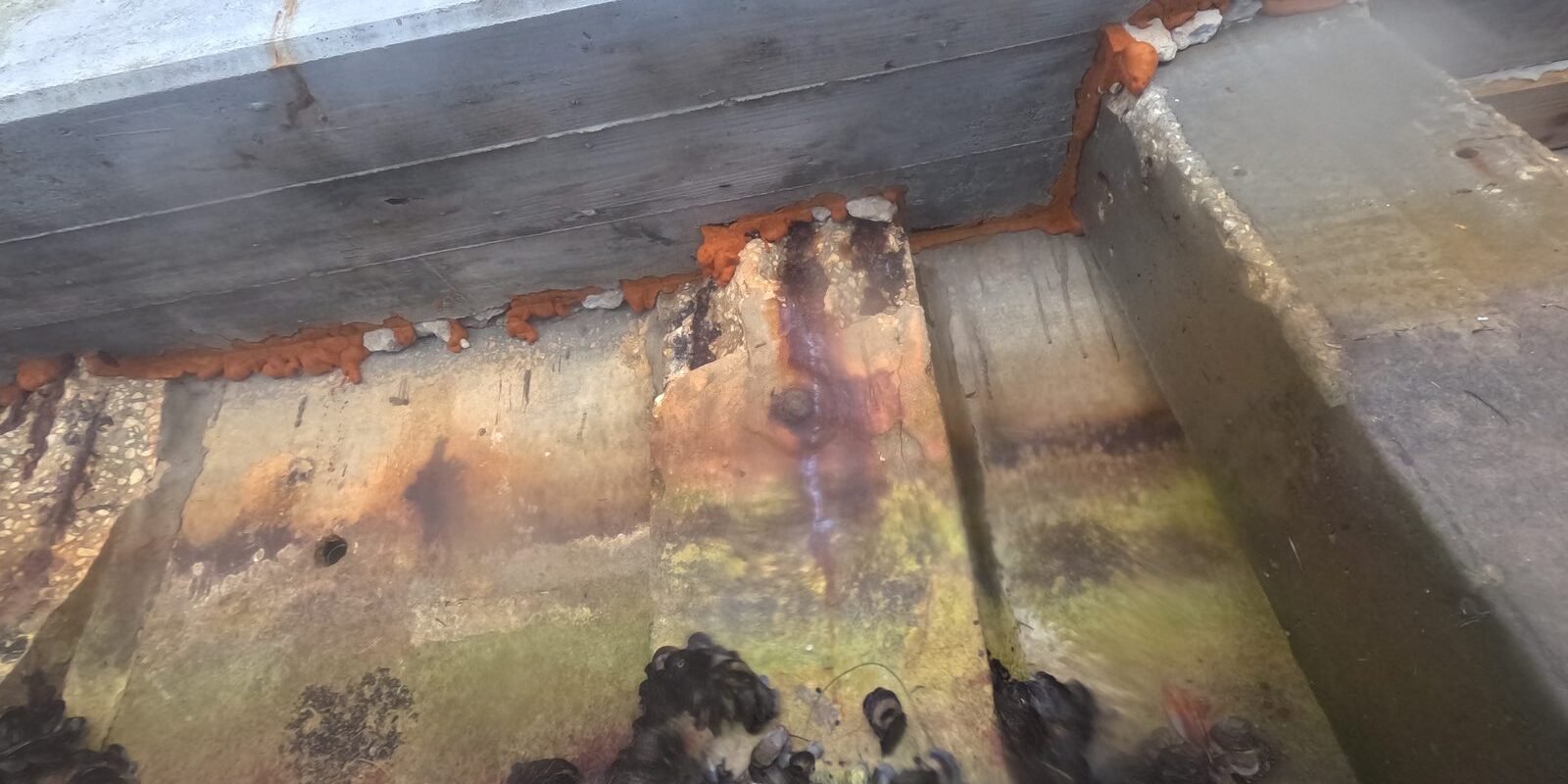
A seawall contractor with a Florida-licensed structural engineer on staff can diagnose the real cause of damage, seal the drawings, and stand behind the repair under one roof — instead of handing you off between a salesman, a separate engineer, and a permit runner. For waterfront owners in Coral Gables, Coconut Grove, and along Biscayne Bay, that difference shows up the day a permit reviewer asks a technical question no one on the job can answer. Souffront Contractors is one of the few firms in South Florida built this way: the same company that inspects, engineers, and builds the repair.
Key takeaways
- A seawall contractor with an in-house structural engineer can diagnose, design, and permit a repair without outside coordination delays.
- Most seawall repair companies subcontract engineering out, which adds a second invoice, a second schedule, and a second point of failure.
- Miami-Dade and Broward permitting agencies require sealed drawings for most seawall repair and replacement work — a contractor without an engineer cannot produce these.
- An engineer-led firm can also serve as the special inspector on a project, verifying that construction matches the sealed drawings.
- A seawall inspection is priced as a flat fee, typically $1,500–$3,000 depending on complexity, quoted before any site visit — never billed by the foot.
What “an engineer on staff” actually means
Plenty of companies advertise as a seawall contractor and mean it in the narrowest sense: they pour concrete, drive piles, and install panels. The design work — the calculations that determine tieback spacing, panel thickness, and pile embedment — gets sent to an outside engineer who has never walked the site.
A firm with a structural engineer on staff works differently. The same person, or the same small team, walks the seawall, writes the findings, runs the structural calculations, seals the drawings, and later supervises construction. Nothing gets translated between three separate companies with three separate incentives.
The risk when design and construction are split apart
Splitting engineering and construction between unrelated firms is common in this industry, and it creates predictable problems for the property owner:
- Slower permitting. Miami-Dade DERM and city building departments send comments back through the engineer of record. If the contractor and engineer aren’t the same firm, every round-trip adds days.
- Design that doesn’t match field conditions. An engineer who never inspected the seawall in person is designing from someone else’s notes and photos.
- No single party accountable for the outcome. If a repair underperforms, the contractor points to the engineer’s design; the engineer points to the contractor’s execution.
- Change orders with no independent check. When field conditions differ from the drawings, the same contractor who benefits from a larger change order is often the one deciding whether it’s justified.
Why this matters more on marine structures specifically
A seawall carries soil and hydrostatic pressure that isn’t visible from the surface. Misjudging tieback depth, cap reinforcement, or panel condition doesn’t fail gracefully — it fails underwater, out of sight, until the yard behind the wall starts settling. That’s a narrow margin for error, and it’s exactly where design experience walking the actual site pays off.
What changes when the engineer builds what they design
When the same firm designs and constructs the repair, a few things happen that a split arrangement can’t offer:
- Faster, more accurate permitting. The engineer of record answers plan-review comments directly, because they wrote the drawings and inspected the wall themselves.
- Design grounded in what’s actually in the ground. Soil conditions, existing pile spacing, and cap elevation come from the same person’s field notes, not a secondhand report.
- One point of accountability. There’s no gap between “who designed this” and “who built this” for an owner or HOA board to navigate if something needs to be revisited.
- Special inspector coverage from someone who understands the design intent. On projects that call for third-party verification, a special inspector familiar with the original design catches deviations faster than an unrelated reviewer starting cold.
This is the model behind Souffront’s own work: the same structural engineer who performs the seawall inspection can go on to seal the repair drawings and oversee the seawall repair itself, serving Biscayne Bay communities from Key Biscayne to Coral Gables to Miami Beach.
How to check whether your seawall contractor has a real structural engineer
Before hiring any seawall contractor, ask three direct questions:
- Who signs and seals the drawings, and are they employed by your company or subcontracted? A subcontracted engineer means split accountability.
- Will the same firm perform the inspection, the design, and the construction? If the answer involves three different company names, budget extra time for coordination.
- Can I see a Florida license number for the engineer of record? Verify it directly through the Florida Department of Business and Professional Regulation before signing anything.
Among established seawall construction companies and bulkhead contractors in South Florida, very few genuinely keep engineering in-house. Most subcontract it. Ask the question up front, not after the deposit is paid.
Talk to a Florida-licensed engineer
If you’re evaluating seawall repair contractors for a property on Biscayne Bay or anywhere in Miami-Dade or Broward, start with an inspection from the same firm that will design and build the fix. Souffront Contractors quotes every inspection as a flat fee — typically $1,500–$3,000 depending on complexity — before any site visit, and any repair proposal is scoped and quoted upfront as well. The form below reaches our office directly.
Frequently asked questions
Is it better to hire a seawall contractor that has its own structural engineer?
Yes, in most cases. A seawall contractor with a Florida-licensed structural engineer on staff can inspect, design, and permit the repair without handing the project between separate companies, which typically means faster permitting and one party accountable for the finished work.
Do all seawall repairs require a licensed engineer’s sealed drawings?
Most seawall repair and replacement work in Miami-Dade and Broward counties requires sealed structural drawings for permit approval. Minor maintenance items, like cleaning weep holes or patching small surface cracks, generally do not.
What is a special inspector, and why does it matter on a seawall project?
A special inspector is a licensed professional who verifies during construction that the work matches the sealed engineering drawings — checking things like tieback installation and reinforcement placement before they’re covered up. Some Florida jurisdictions require this on marine structural work.
How much does a seawall inspection cost?
A residential seawall inspection is typically priced between $1,500 and $3,000 as a flat fee, depending on the complexity of the inspection — access, whether a below-waterline dive is needed, and the number of structural components reviewed. The fee is quoted before any site visit, never charged by the foot.
How is seawall repair pricing different from inspection pricing?
Repair and replacement work is generally priced per linear foot of wall, with moderate repairs running roughly $100–$250 per foot and full panel or tieback replacement running roughly $400–$600 per foot. Inspections are priced differently — as a flat fee, not by length.
What permits are needed for seawall repair in Miami-Dade County?
Seawall repair in Miami-Dade typically requires review from Miami-Dade DERM and the local city building department, and may involve Florida DEP depending on the scope. A structural engineer who prepares the drawings can respond directly to plan-review comments from these agencies.
Can the same company that inspects my seawall also repair it?
Yes — this is common and often preferable when the firm has a licensed structural engineer on staff, since the engineer who diagnosed the damage can carry that same understanding into the repair design and construction, rather than handing the project to an unrelated company.
Souffront is a licensed seawall contractor and marine contractor in Florida that is also the engineer of record — the firm inspects, engineers, permits and builds the fix.
About Souffront Contractors Inc.: a Florida-licensed structural engineering and marine construction firm serving Miami-Dade, Broward, and Palm Beach counties. Explore our seawall construction and marine construction capabilities — see our seawall contractors page or call (877) 420-7220.
Got a seawall or structural question?
Five fields. Same business day from a Florida-licensed engineer, routed into our dispatch CRM in real time.
- Same business dayAcknowledgment from a Florida licensed engineer — Mon–Fri 8 AM–5:30 PM.
- Engineer-sealed reportAccepted by carriers, building departments, and real-estate transactions.
- Fixed-fee proposalNo hourly billing. Repair scope priced line-by-line.