
Seawall Inspection in Boca Raton: Canal Wear Explained
What Boca Raton's canals and Lake Boca do to a seawall, the signs to check for, and what a flat-fee inspection by a licensed engineer covers.
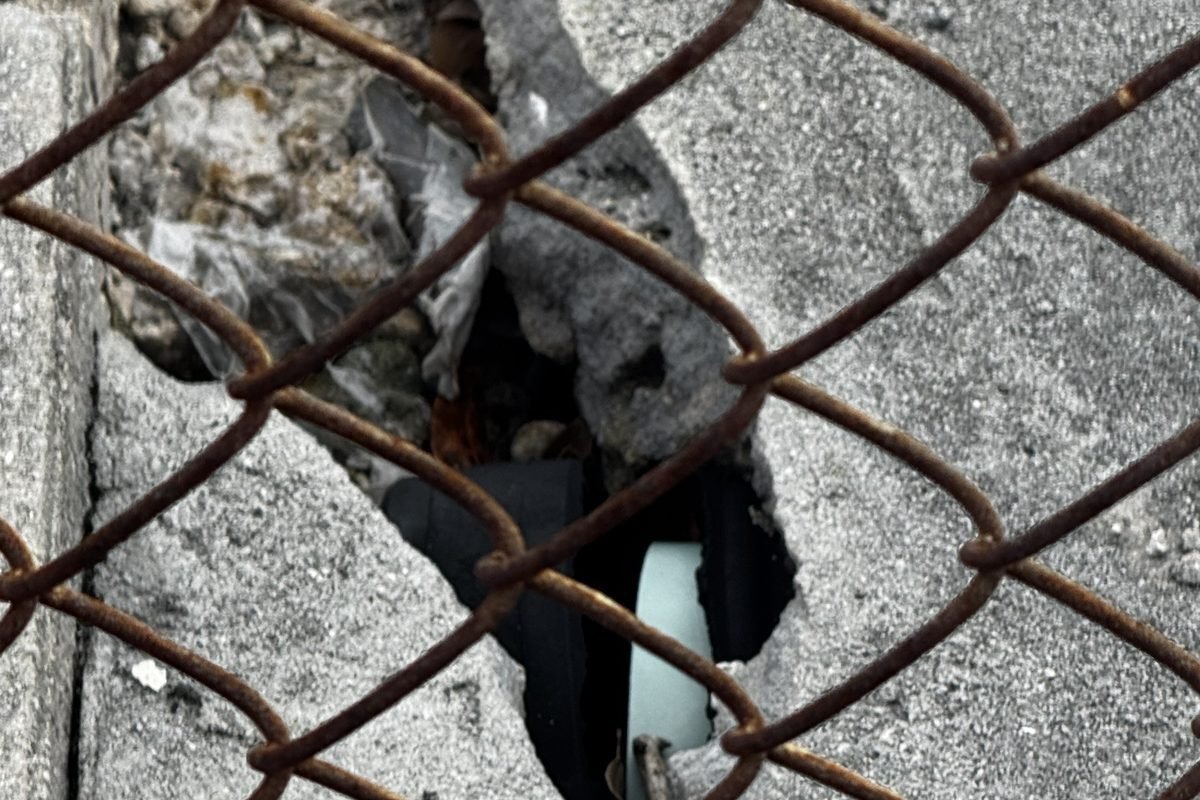
A seawall inspection in Boca Raton has to account for two very different kinds of water pressure on the same property line: the slow tidal push of the finger canals and the harder current and boat wake coming off Lake Boca and the inlet. Souffront Contractors inspects both wall types with the same structural engineer every time, so the report accounts for which water is actually working against your wall, not a generic checklist.
If you own a canal-front lot in Royal Palm Yacht & Country Club, Spanish River, or anywhere off East Palmetto Park Road, you’re dealing with narrow, mostly still canals. If you’re closer to the inlet or on Lake Boca itself, you’re dealing with tidal exchange, boat traffic, and storm surge funneling straight through a half-mile-wide opening to the ocean. A seawall inspection has to be read differently in each location.
Key takeaways
- Boca Raton canal walls fail mostly from slow soil loss behind the panel; Lake Boca and inlet-adjacent walls fail faster from wave and boat-wake impact.
- A structural engineer inspection typically runs $1,500–$3,000, quoted as a flat fee before any site visit — never charged per linear foot.
- Visible cracking on the cap is usually the last sign to appear, not the first — voids behind the wall and soil loss at the toe show up years earlier.
- Walls within a few hundred feet of the Boca Raton Inlet see more frequent tieback and cap stress from wake action and should be checked more often than interior canal walls.
- Florida Building Code and Florida DEP permitting apply to repair work on both canal and inlet-adjacent walls — the inspection report is the document that starts that process.
Why canal walls and Lake Boca walls fail differently
On a typical finger canal, the water barely moves. Damage comes from groundwater pressure pushing against the back of the panel and, over years, carrying fine soil out through gaps in the panel joints or around a cracked cap. You won’t see much until the soil behind the wall is gone and the panel starts to lean or the yard starts to settle near the edge.
On Lake Boca and the stretch near the inlet, the wall takes direct hits — wind-driven waves, cruiser wake, and tidal surge during a northeast blow. That kind of load attacks the cap and the top of the panel first, and it loosens tiebacks faster than slow seepage ever would. A seawall inspection on an inlet-adjacent property should specifically check tieback tension and cap-to-panel connections, not just look for cracks.
Signs specific to Boca Raton’s canal system
- A soft or sunken strip of lawn running parallel to the wall, a few feet back
- Hairline cracks at panel joints that widen after a heavy rain season
- Rust staining bleeding through the cap — a sign the rebar inside is corroding
- A dock or seawall cap that no longer sits level with the yard behind it
Signs specific to Lake Boca and inlet-adjacent walls
- Visible gaps opening between the cap and the top panel after a windy week
- Panels that have rotated slightly outward, even a half inch, toward the water
- Marine growth line sitting noticeably lower than it used to — a sign of toe scour
- Loose or “clanking” cap sections when walked on
What a flat-fee inspection in Boca Raton actually checks
A residential structural inspection covers the cap, the panels, the piles or tiebacks behind them, drainage, and visible soil condition at the top of the bank. Depending on access and water clarity, it may include a below-waterline check of the toe, since that’s where canal walls lose the most material and nobody can see it without a dive. The fee — typically $1,500–$3,000 — depends on wall length, number of structural components, and whether a below-waterline dive is needed, not on a per-foot rate. It’s always quoted before anyone shows up on site.
The output is a sealed engineering report, not a sales pitch. It documents exact conditions with photos and gives you a repair priority — immediate, short-term, or monitor — so you’re making a decision off real findings, not a guess.
Boat traffic, dredging, and the inlet’s effect on wall loads
Boca Raton’s canal system connects to the Intracoastal and out through the inlet to Lake Boca, and boat traffic through that system has grown with the city. Wake action compounds over years — a wall built in the 1970s wasn’t engineered for the boat sizes and volume running past it now. Periodic canal dredging and inlet maintenance, when it happens, can also change current patterns against a wall that was stable for decades. None of that shows up in a glance from the dock. It shows up in an inspection that measures tieback tension and checks for scour at the toe.
When a canal wall needs a seawall contractor, not just monitoring
Most of what an inspection finds falls into “monitor” or “repair within 12 months.” A smaller share needs a seawall contractor involved right away — active soil loss at the toe, a panel that’s visibly rotated, or a cap with structural cracking all the way through. In those cases the engineer’s report becomes the scope of work: what gets repaired, in what order, and what permits the job needs from the city and Florida DEP before work starts.
Full seawall repair in South Florida generally runs $100–$250 per linear foot for moderate panel and tieback work, and $400–$600 per linear foot for full panel replacement — these are general market ranges, not quotes, and they only apply once repair work is scoped. The inspection itself stays a flat fee regardless of what it finds.
Talk to a Florida-licensed structural engineer
If your canal wall is showing settlement near the edge, or your Lake Boca wall has taken a season of hard wake and storms, get it inspected before it becomes a bigger job. Souffront sends a Florida-licensed structural engineer, prices the inspection as a flat fee quoted before the visit, and turns the report around the same business day in most cases. Use the form below to schedule, or call (877) 420-7220.
Frequently asked questions
How much does a seawall inspection cost in Boca Raton?
A typical residential structural inspection runs $1,500–$3,000, quoted as a flat fee before the site visit. The price depends on wall length, number of components checked, and whether a below-waterline dive is needed — it is never charged per linear foot.
How often should a canal seawall in Boca Raton be inspected?
Every 3 to 5 years for a wall showing no visible problems, and sooner if you notice settlement near the wall, cracking at the cap, or rust staining. Walls near Lake Boca or the inlet that take direct wake and storm exposure should be checked more often than interior canal walls.
Why is my wall cracking even though the water in my canal is calm?
Calm water doesn’t mean no pressure. Groundwater behind the panel pushes outward constantly, and over years it carries soil out through small gaps, leaving voids that let the panel flex and crack. The crack is usually the last sign to show up, not the first.
Does boat traffic on Lake Boca actually damage seawalls?
Yes. Repeated wake action loosens tieback connections and stresses the cap-to-panel joint over time, especially on walls built before current boat traffic volumes existed. This is a bigger factor near Lake Boca and the inlet than it is on interior finger canals.
Do I need a permit to repair a seawall in Boca Raton?
Most seawall repair work requires a permit from the city building department, and work affecting the waterway may also need review from Florida DEP. An engineer’s inspection report is typically the document that starts the permit application.
Can an inspection check below the waterline?
Yes. A below-waterline check, usually by dive, is recommended when soil loss or toe scour is suspected and visibility allows it. This is factored into the inspection fee upfront rather than billed separately after the fact.
What’s the difference between repairing and replacing a seawall?
Repair addresses specific damaged sections — a cracked panel, loosened tiebacks, a failing cap segment — and generally costs $100–$250 per linear foot. Full replacement is required when soil loss or structural failure is widespread, and runs $400–$600 per linear foot. The inspection report determines which category applies.
Will my insurance company ask for a seawall inspection report?
Some insurers request documentation of seawall condition, particularly for waterfront policies or after a claim. A sealed engineering report from the inspection satisfies that request and gives you a record of condition at a specific date.
About Souffront Contractors Inc.: a Florida-licensed structural engineering and marine construction firm serving Miami-Dade, Broward, and Palm Beach counties. Schedule a professional seawall inspection with a licensed structural engineer — see our seawall contractors page or call (877) 420-7220.
Got a seawall or structural question?
Five fields. Same business day from a Florida-licensed engineer, routed into our dispatch CRM in real time.
- Same business dayAcknowledgment from a Florida licensed engineer — Mon–Fri 8 AM–5:30 PM.
- Engineer-sealed reportAccepted by carriers, building departments, and real-estate transactions.
- Fixed-fee proposalNo hourly billing. Repair scope priced line-by-line.