
What Bal Harbour Seawalls Need That Bay-Side Walls Don’t
Oceanfront seawalls in Bal Harbour and Surfside take direct wave and salt exposure Biscayne Bay walls never see. Here's what HOA boards should track.
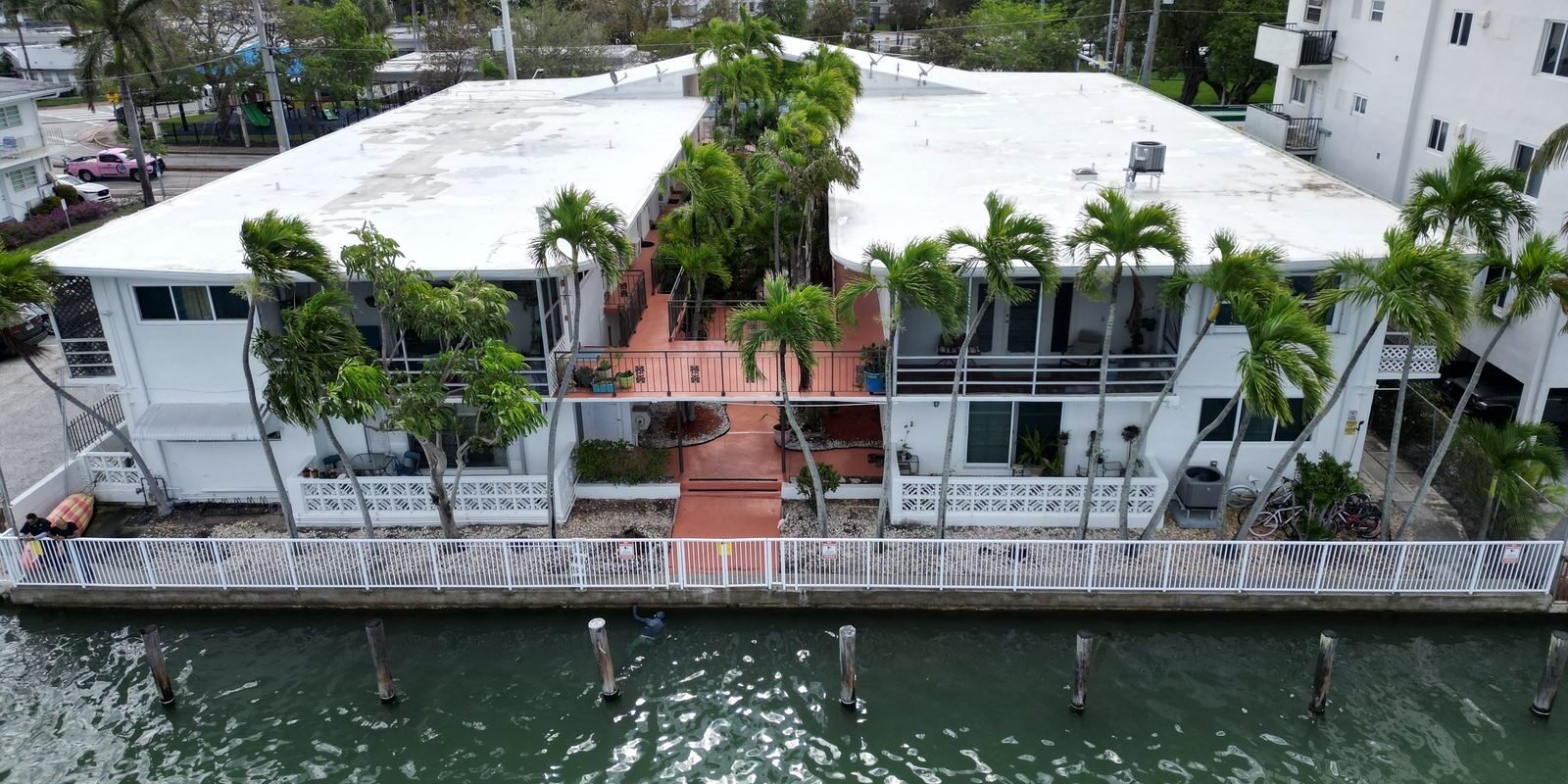
A seawall maintenance plan for an oceanfront association in Bal Harbour or Surfside has to account for direct wave action and salt spray that bay-side walls never see. That means shorter inspection intervals, closer attention to the cap and expansion joints, and a maintenance log the board can hand to the next board. This is what an oceanfront seawall maintenance plan actually looks like, item by item.
Key takeaways
- Oceanfront walls in Bal Harbour and Surfside take direct wave impact and salt spray — inspect annually, not every two or three years.
- A seawall inspection is a flat fee, typically $1,500–$3,000 depending on complexity, quoted before any site visit — never billed per linear foot.
- Post-storm inspections are separate from the annual one. Schedule one after any named storm with sustained winds over tropical storm force.
- The four items that fail first on oceanfront walls: the cap, expansion joints, weep holes, and exposed rebar at the waterline.
- A written maintenance log — dated photos, findings, repairs completed — protects the board when owners ask why an assessment is needed.
Why oceanfront exposure changes the maintenance schedule
A seawall on Biscayne Bay sits in relatively calm water most of the year. A seawall in Bal Harbour or Surfside faces the open Atlantic directly, or sits on an inlet that funnels wave energy at high tide. That difference shows up in the concrete.
Salt spray accelerates corrosion of the rebar inside the cap and panels. Wave impact loosens joints and washes soil out from behind panels faster than calm water ever would. A wall that would go three years between inspections on the bay side often needs a look every twelve months on the ocean side.
Surfside and Bal Harbour boards also deal with narrower lots and taller seawalls relative to bay-front properties, which means more square footage of cap and panel exposed to weather per linear foot of shoreline.
The maintenance items your board should be tracking
An oceanfront wall doesn’t fail all at once. It shows small signs first, and a maintenance plan exists to catch them before they turn into a six-figure repair.
- The cap. Hairline cracks along the top of the wall let salt water reach the rebar underneath. Left alone, cracking widens and the cap starts to spall — chunks of concrete breaking off and exposing rust-streaked steel.
- Expansion joints. These flexible joints between wall sections absorb movement. On oceanfront walls, wave impact works them loose faster. A gap you can fit a finger into is a sign the joint needs attention.
- Weep holes. Small drainage openings that relieve water pressure behind the wall. If they’re clogged or missing, hydrostatic pressure builds and pushes the wall outward over time.
- Rebar exposure at the waterline. The tidal zone is where corrosion moves fastest. Rust staining running down the face of a panel usually means the steel inside is already compromised.
- Soil loss behind the cap. A void you can hear when you tap the cap, or visible settling in the yard near the wall, means material is washing out from underneath.
How often to inspect, and when to add an extra one
An annual visual inspection by a Florida-licensed structural engineer is the baseline for any oceanfront association. That’s separate from a post-storm inspection, which the board should schedule after any named storm that brings sustained tropical-storm-force winds or a significant surge event to the property.
A full seawall inspection covers what’s visible above the waterline and, where access allows, what’s happening below it. On oceanfront properties with rock revetment or riprap in front of the wall, a below-waterline review often requires a diver, which is one of the factors that moves the fee within its range.
For associations near Bal Harbour Inlet or Haulover Cut, current and tidal range are stronger than open beachfront, and that’s worth flagging to whoever does the inspection — it changes what a structural engineer inspection looks for at the toe of the wall.
What a seawall inspection actually costs
A residential or association-scale structural seawall inspection is a flat fee — typically $1,500 to $3,000, depending on the complexity of the inspection. Wall length is one minor factor among several: access, whether a below-waterline dive is needed, the number of structural components (cap, panels, piles, tiebacks, dock), and the scope of the written report. It is never priced per linear foot — that pricing model applies to repair and replacement work, not to an inspection.
Ask for the fee in writing before the engineer sets foot on the property. If a company won’t quote a flat number upfront, that’s worth asking about directly.
When maintenance turns into repair
Maintenance keeps a sound wall sound. It doesn’t reverse structural damage that’s already underway. A few signs mean the conversation has shifted from monitoring to seawall repair:
- A panel that’s visibly leaning or rotated out of plane
- Cracking that runs the full height of a panel, not just surface hairlines
- A sinkhole or depression forming in the yard within a few feet of the wall
- Consistent settling or a visible gap opening between the cap and adjacent pavers or seawall sections
Once any of these shows up, the right move is a written engineering assessment with specific repair recommendations — not a general contractor’s estimate. A licensed structural engineer inspection gives the board a document that separates a real structural finding from a cosmetic one, which matters when owners start asking questions at a meeting.
Talk to a Florida-licensed engineer
If your Bal Harbour or Surfside association doesn’t have a current seawall inspection on file, or it’s been more than a year since the last one, that’s the place to start. Souffront Contractors inspects, engineers, permits, and builds seawall repairs as one company, with a fixed-fee inspection quoted before any site visit and a same-business-day response to boards and property managers. The scheduling form below gets a Florida-licensed structural engineer on your calendar.
Frequently asked questions
How often should an oceanfront seawall in Bal Harbour or Surfside be inspected?
Annually, at minimum, because of direct wave exposure and salt spray. Add a separate inspection after any named storm with sustained tropical-storm-force winds or a notable surge event, even if the last scheduled inspection was recent.
Does an HOA need board approval before scheduling a seawall inspection?
Most association bylaws allow the board or property manager to authorize a routine maintenance inspection without a full vote, since it’s a professional service rather than a capital project. Check your governing documents, but in most cases the manager can schedule it directly.
What’s the difference between a seawall inspection and a seawall repair estimate?
An inspection is a structural assessment performed by a licensed engineer and documents current condition with a written, signed report. A repair estimate is a contractor’s proposal for fixing specific problems. Boards should get the inspection first, since it defines the scope any repair estimate should be measured against.
Why do oceanfront seawalls deteriorate faster than bay-side walls?
Direct wave impact loosens joints and washes soil from behind panels faster than calm water. Salt spray also accelerates corrosion of the rebar inside the cap and panels, so cracking and rust staining tend to show up sooner on ocean-facing walls than on Biscayne Bay-facing walls of similar age.
What does a seawall inspection cost for an HOA in this area?
Typically $1,500 to $3,000, quoted as a flat fee before any site visit. The exact number depends on wall access, whether a below-waterline dive is required, and how many structural components — cap, panels, piles, tiebacks, attached dock — are part of the scope.
Who handles seawall permitting in Miami-Dade for Bal Harbour and Surfside properties?
Seawall repair and construction work in this area typically requires permitting through Miami-Dade DERM and, depending on the scope, coordination with the Florida Department of Environmental Protection. A firm that handles inspection, engineering, and permitting together can move a project through this faster than coordinating three separate vendors.
Should our association hire a seawall contractor or a structural engineer first?
Start with the engineer. A structural engineer inspection produces an independent, signed assessment of what’s actually wrong. From there, a licensed seawall contractor can price the repair against that documented scope, which protects the board from paying for work that wasn’t actually needed.
What records should a maintenance log include?
Dated photos of the cap, panels, and waterline; the annual inspection report; any post-storm inspection findings; and a record of repairs completed with dates and contractor names. This log is what protects a board when owners question a special assessment years later.
Related from Souffront Contractors: HOA and condo board compliance reports — all delivered by the same Florida-licensed structural engineering and marine construction team. Call (877) 420-7220.
Souffront works directly with the HOA board, the condo association and the property manager or CAM, delivering the documentation a board needs to act and to show it acted.
About Souffront Contractors Inc.: a Florida-licensed structural engineering and marine construction firm serving Miami-Dade, Broward, and Palm Beach counties. Arrange a seawall inspection in Broward County with same-week scheduling — see our seawall contractors page or call (877) 420-7220.
Got a seawall or structural question?
Five fields. Same business day from a Florida-licensed engineer, routed into our dispatch CRM in real time.
- Same business dayAcknowledgment from a Florida licensed engineer — Mon–Fri 8 AM–5:30 PM.
- Engineer-sealed reportAccepted by carriers, building departments, and real-estate transactions.
- Fixed-fee proposalNo hourly billing. Repair scope priced line-by-line.