
What to Put in a Seawall Repair Contract Before You Sign
Retainage, schedule and warranty terms a Miami-Dade or Broward HOA board must lock into a seawall repair contract before signing, explained plainly.
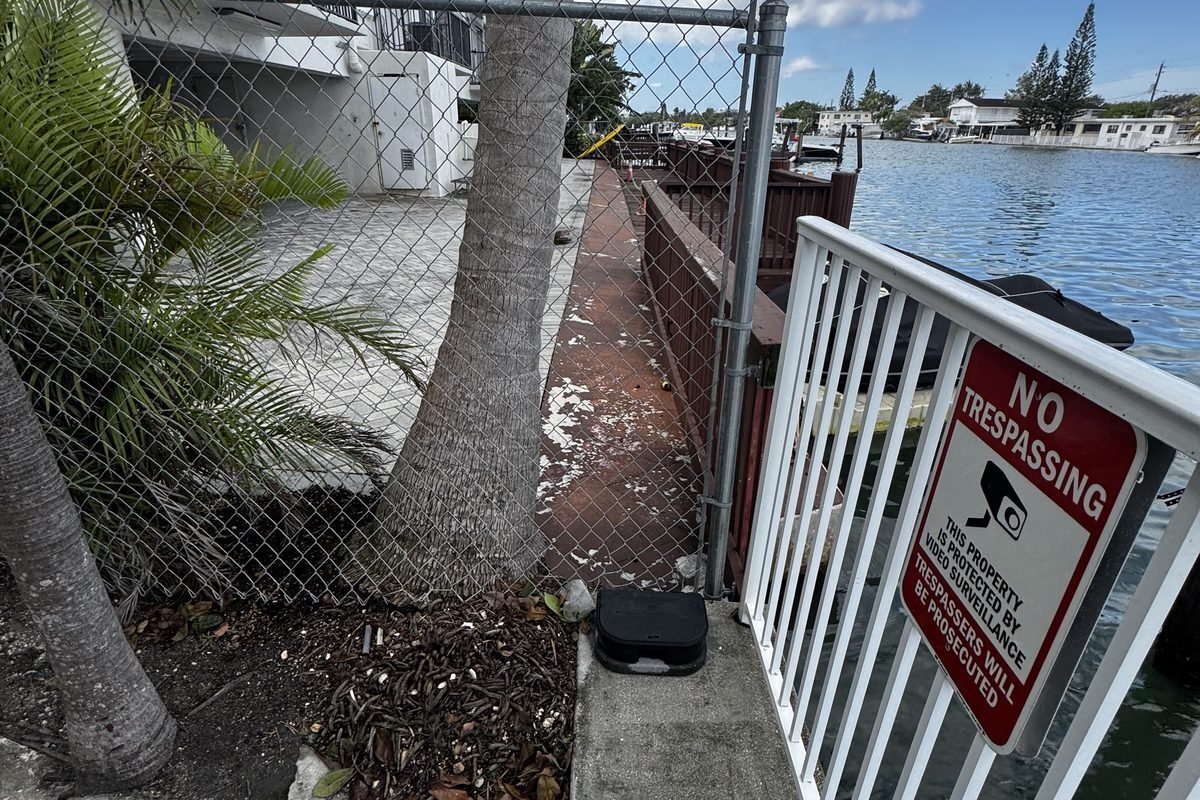
A seawall repair contract protects your association only if it locks in three things before anyone signs: a retainage holdback tied to real completion, a schedule with dates and consequences attached, and a warranty that says who stands behind the work and for how long. Boards in Coral Gables, Key Biscayne, and Coconut Grove sign seawall contracts every season that skip all three, and the gaps don’t show up until the contractor is three months behind and asking for the last draw anyway.
Souffront Contractors gets called in after some of those contracts go sideways — usually by a property manager trying to figure out why a “90-day” seawall job is at month seven with no end date in writing. The fix is almost always the same: the contract never said what happens when the schedule slips, so nothing happened.
Key takeaways
- Retainage on a South Florida seawall job typically runs 5–10% of each payment, released only after final inspection and close-out documents, not after “substantial completion.”
- A schedule needs a fixed completion date, a defined process for weather and permit delays, and a stated consequence — usually liquidated damages — if the contractor misses it without one.
- Warranty language should separate workmanship (typically 1–2 years) from manufacturer material warranties (which can run 10–25 years and are often longer than the contractor’s own coverage).
- Lien waivers should be collected with every draw, not just at the end — Florida’s Chapter 713 lien law gives subcontractors rights that survive a contractor’s failure to pay them.
- A board reviewing its first seawall contract benefits from a Florida-licensed structural engineer reading it alongside an attorney — the engineer catches scope gaps a lawyer isn’t trained to see.
Retainage: how much, and when it actually gets released
Retainage is the percentage of each payment the association holds back until the work is verified complete. On a seawall job, 5–10% per draw is standard. The part boards get wrong isn’t the percentage — it’s the release trigger.
Contracts that release retainage at “substantial completion” let a contractor collect nearly full payment while punch-list items — a missing cap seal, an unfinished tieback cover, debris still in the canal — sit open indefinitely. Tie the release instead to:
- Final walk-through sign-off by the board or its engineer
- Submission of as-built drawings and material warranties
- Closeout permit sign-off from the local building department
Hold the full retainage amount until all three are done. Releasing it in pieces gives the contractor less reason to finish the small items that take the longest to chase down after the big concrete work is complete.
Schedule: dates, delay triggers, and what happens if they’re missed
“Approximately 90 days” is not a schedule — it’s a hope. A seawall repair contract needs a start date, a fixed substantial completion date, and a separate final completion date for closeout items. It also needs to say, in writing, what qualifies as an excusable delay (permit review backlogs, named storms, documented material shortages) versus what doesn’t (the contractor’s own crew scheduling, a disagreement over change orders).
For excusable delays, require written notice within a set number of days — five to ten is typical — so delays get documented as they happen instead of argued about at the end. For everything else, build in a real consequence. Liquidated damages of a few hundred dollars a day are common on residential seawall work and give a contractor a financial reason to keep crews moving instead of pulling them to a more profitable job down the canal.
Boards that bring in a Florida-licensed structural engineer to oversee the project as the association’s single point of contact get an added benefit here: someone reviewing pay applications and schedule updates against what was actually built, not just what the contractor reports.
Warranty: separate the contractor’s promise from the manufacturer’s
Most seawall repair contracts bundle “warranty” into one vague line. Boards should insist on two separate warranty terms:
- Workmanship warranty — typically 1–2 years, covering installation defects: a tieback that wasn’t torqued correctly, a cap pour that cracked from poor curing, drainage that was never tied in.
- Material warranty — passed through from the manufacturer on vinyl sheet pile, marine-grade concrete, or coated tiebacks, often 10–25 years depending on the product.
Get both in writing, with the manufacturer warranty document attached at closeout — not promised verbally. If a contractor won’t name the product manufacturer before the contract is signed, that’s worth asking about before the board signs anything, not after a panel fails in year four.
Other terms boards skip, and regret
Lien waivers with every draw
Florida’s lien law lets a subcontractor who wasn’t paid file a claim against the property even if the association paid the general contractor in full. Require a conditional waiver before each payment and an unconditional waiver once that payment clears — for the general contractor and every subcontractor on the job. Reference the statute directly in the contract rather than relying on a verbal assurance; Florida’s lien statutes are published through the Florida Statutes online.
A defined change-order process
Every seawall job finds something once excavation starts — more deteriorated soil than the borings showed, a utility line in the wrong place. The contract should require written change orders with cost and schedule impact stated before work proceeds, not a verbal “we’ll figure it out” followed by a bill at the end.
Insurance and permit responsibility named by party
Spell out who holds the permit (usually the licensed contractor), who carries general liability and workers’ compensation, and who is responsible for DERM, FDEP, or city permit coordination if conditions change mid-project. Leaving this unassigned is how a stop-work order turns into a two-month gap nobody saw coming.
Why an engineer reading the contract catches what a lawyer won’t
An attorney reviews a seawall repair contract for enforceability — is the liquidated-damages clause valid, is the lien language correct. A Florida-licensed structural engineer reads the same contract for scope: does “seawall repair” in the contract actually match the deteriorated panels and tiebacks documented in the inspection report, or did the low bid quietly leave out the cap replacement everyone assumed was included.
That’s the gap a board’s own engineer — acting as owner’s representative rather than the contractor building the work — is positioned to close: writing the scope so bids are comparable, reviewing submittals against the specification, and flagging a change order that’s really a bid gap being passed to the association after the fact. Boards considering a seawall repair contractor for a project this size should know that an association can engage this kind of oversight separately from the construction itself — and if the firm doing the oversight might also bid the repair work, that interest should be disclosed in writing before the board signs anything.
Talk to a Florida-licensed engineer
If your board is about to sign a seawall repair contract, or already has one you want a second set of eyes on, Souffront Contractors will read it against the actual condition of your wall — not just the paperwork. Fixed-fee engineering review, same-business-day response, serving Coral Gables, Key Biscayne, Coconut Grove, and the rest of the Biscayne Bay corridor. Call (877) 420-7220 or use the form below.
Frequently asked questions
How much retainage should an HOA hold back on a seawall repair job?
Most South Florida seawall repair contracts hold back 5–10% of each payment as retainage. The full amount should be released only after final walk-through sign-off, as-built documentation, and permit closeout — not at “substantial completion,” which can leave punch-list items unfinished for months.
What’s a reasonable timeline for a residential seawall repair?
A typical residential seawall repair, from permit issuance to final closeout, runs roughly 60–120 days depending on wall length, tieback count, and whether a below-waterline component is involved. The contract should state a fixed completion date rather than an approximate range.
What should a seawall warranty actually cover?
A seawall warranty should separate two things: a workmanship warranty from the contractor, typically 1–2 years, covering installation defects; and a material warranty from the manufacturer of the sheet pile, concrete, or tieback hardware, which can run 10–25 years. Both should be documented in writing and handed over at closeout.
Can a contractor collect final payment before the permit is closed out?
No contract should allow it. Final payment and the last retainage release should be tied to the local building department closing out the permit, along with submission of as-built drawings and warranty documents — not just the contractor’s own statement that the work is done.
What happens if the seawall contractor misses the completion date?
That depends entirely on what the contract says. Without a liquidated-damages clause or similar consequence tied to a fixed completion date, a missed deadline has no financial impact on the contractor. With one, a few hundred dollars a day is typical for residential seawall work and gives the contractor a real reason to keep the schedule.
Do lien waivers matter if the HOA already paid the contractor in full?
Yes. Under Florida lien law, a subcontractor who wasn’t paid by the general contractor can still file a lien against the property even after the association paid in full. Collecting a conditional waiver before each draw and an unconditional waiver after it clears protects the association from paying twice.
Should a board hire its own engineer separate from the seawall contractor?
It’s common on larger association projects. A Florida-licensed structural engineer acting as the board’s owner’s representative reviews the scope, bids, submittals, and change orders on the association’s behalf, separate from whoever performs the construction. Any firm offering both oversight and construction should disclose that in writing before the board signs.
What’s the difference between a change order and a hidden scope gap?
A legitimate change order covers a condition no one could have known before work started — more deteriorated soil than the borings showed, for example. A scope gap is work that should have been in the original bid but was quietly left out to win the price, then billed later as an “extra.” A written, itemized change-order process makes the difference visible before the board approves payment.
Related from Souffront Contractors: HOA and condo board compliance reports and seawall permitting — all delivered by the same Florida-licensed structural engineering and marine construction team. Call (877) 420-7220.
About Souffront Contractors Inc.: a Florida-licensed structural engineering and marine construction firm serving Miami-Dade, Broward, and Palm Beach counties. Learn more about engineer-led seawall repair across South Florida — see our seawall contractors page or call (877) 420-7220.
Got a seawall or structural question?
Five fields. Same business day from a Florida-licensed engineer, routed into our dispatch CRM in real time.
- Same business dayAcknowledgment from a Florida licensed engineer — Mon–Fri 8 AM–5:30 PM.
- Engineer-sealed reportAccepted by carriers, building departments, and real-estate transactions.
- Fixed-fee proposalNo hourly billing. Repair scope priced line-by-line.