
Seawall Repair in Key Largo: Coral Rock, Open Water
What makes seawall repair in Key Largo different: coral rock bedrock, no barrier island protection, and hurricane exposure. Field-notes guide from a licensed engineer.
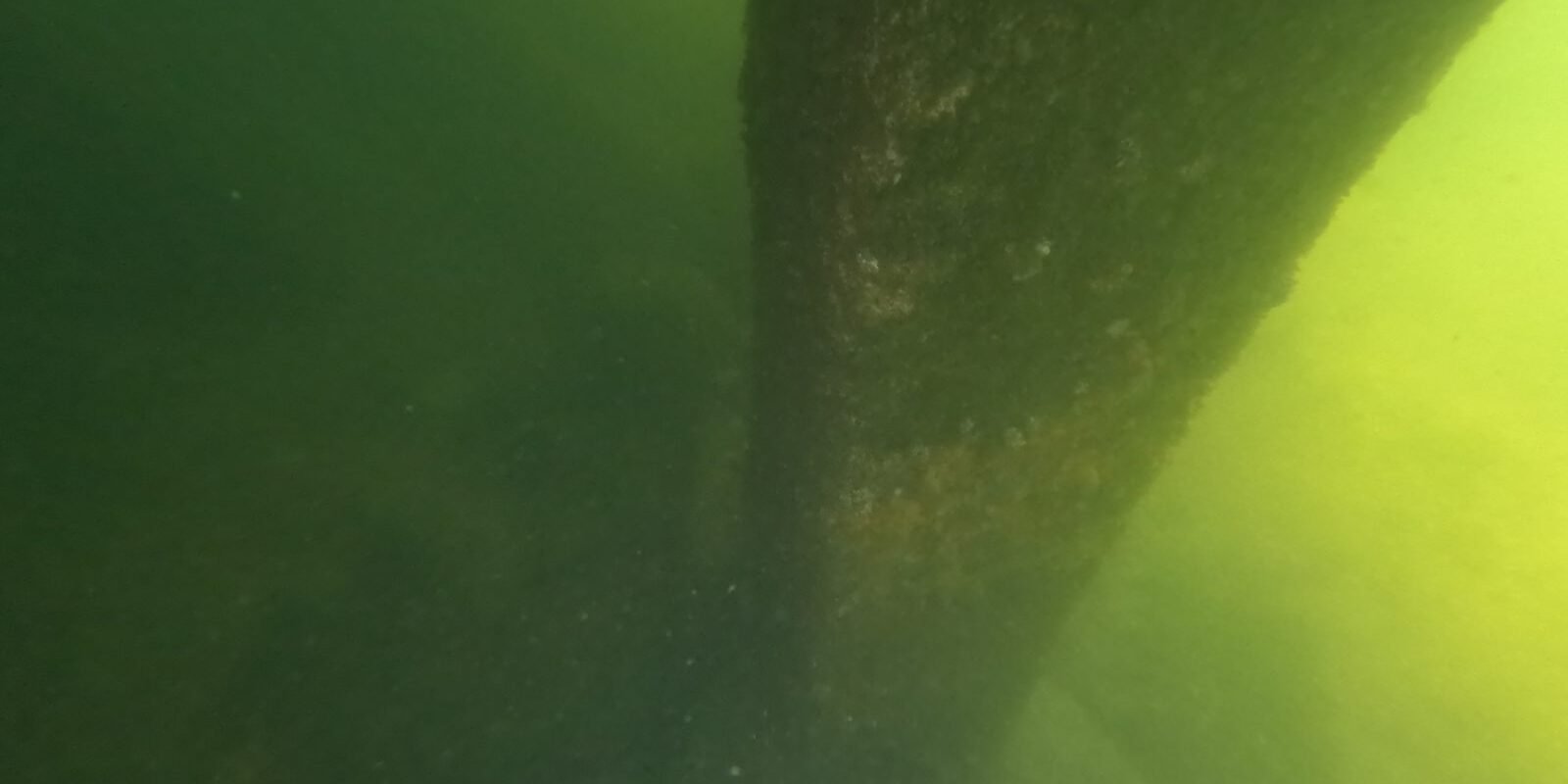
Seawall repair in Key Largo deals with two problems most of South Florida doesn’t face together: a seawall built into or on top of porous coral rock, and open ocean on the other side of it with no barrier island breaking the wave action. Souffront Contractors inspects and repairs seawalls throughout the Florida Keys, and the walls failing in Key Largo aren’t failing the same way a canal-front wall in a protected bay fails. The rock itself is often part of the problem, and storm exposure speeds up everything else.
Key takeaways
- Key Largo seawalls are frequently built on or tied into coral rock (keystone), which is porous and erodes differently than limestone or compacted fill.
- Without a barrier island offshore, Key Largo seawalls take direct wave energy and storm surge that a Biscayne Bay canal wall never sees.
- A seawall repair in open-water exposure typically runs $100–$250 per linear foot for moderate work, $400–$600 per linear foot for full panel and tieback replacement.
- A flat-fee structural inspection, typically $1,500–$3,000 depending on access and scope, should happen before hurricane season — not after a storm.
- Monroe County permitting and Florida Building Code’s High-Velocity Hurricane Zone provisions apply to Key Largo marine structures, adding review time most owners don’t budget for.
Why coral rock changes the repair
A lot of older Key Largo seawalls were built directly against, or anchored into, native coral rock rather than compacted sand or marl fill. Coral rock (also called keystone or coral limestone) is full of voids — it’s old reef, not solid bedrock. That matters for two reasons.
First, water moves through it. A wall that looks structurally sound at the cap can still be losing soil and fine material behind it through channels in the rock that a canal-front property built on fill doesn’t have. Second, when a tieback or deadman anchor is set into coral rock instead of driven into soil, the holding capacity depends on how solid that specific pocket of rock is — which varies lot to lot, sometimes foot to foot.
On inspection, this shows up as voids behind the cap with no obvious source, staining patterns that don’t match the visible crack pattern, and settlement that’s patchy rather than uniform along the wall. A seawall inspection on a coral rock property has to account for this — probing behind the cap and checking anchor pull-out, not just grading visible crack width.
What field inspections are turning up
- Spalled or cracked cap sections where rebar has corroded inside coral rock aggregate concrete
- Voids behind the cap from fines washing through rock channels, invisible from the top
- Rotated or leaning panels where a tieback lost grip in a soft pocket of rock
- Marine growth and bioerosion at the waterline accelerated by direct wave exposure
- Toe scour from wave energy that a protected canal wall never experiences
Open water means a different load, not just worse weather
A seawall in Coconut Grove or along a canal in Key Biscayne is protected by miles of bay and barrier island before a wave ever reaches it. A Key Largo seawall facing the Atlantic or Florida Bay often has nothing between it and open water. That’s a structural difference, not just a scenic one — the wall absorbs direct wave impact, faster tidal exchange, and storm surge that arrives with more force and less warning.
This is also why hurricane timing matters more here than almost anywhere else in our service area. A wall with early-stage cap cracking or a loose tieback that would hold through a mild season elsewhere can fail outright in Key Largo during a direct hit. Hurricane season runs June through November; the inspection and repair window is really December through May, and it fills up fast once storms start tracking toward the Keys.
Repair options, realistically priced
Pricing for seawall repair in Key Largo follows the same linear-foot logic as the rest of South Florida, but open-water access often pushes a project toward the higher end of the range:
- Cap and spall repair: roughly $100–$250 per linear foot for moderate deterioration where the panels and tiebacks are still sound.
- Tieback and anchor replacement: often requires re-anchoring into undisturbed rock away from the compromised pocket, which adds engineering and drilling time over a standard soil anchor.
- Full panel and cap replacement: roughly $400–$600 per linear foot where soil loss behind coral rock has undermined multiple panels.
None of these numbers apply to the inspection itself. A seawall inspection is a flat fee, typically $1,500–$3,000 depending on wall complexity and whether a below-waterline dive is required — never priced per linear foot, and always quoted before the site visit.
Permitting in Monroe County
Key Largo seawall work runs through Monroe County permitting rather than Miami-Dade DERM, and it’s governed by Florida Building Code’s High-Velocity Hurricane Zone (HVHZ) provisions given the Keys’ wind exposure. Projects touching submerged land or navigable water may also need sign-off tied to federal navigable-waters jurisdiction. Build permitting time into the schedule — a coral rock anchor redesign triggered by a failed pull-out test can add weeks to a review that a standard soil-anchor repair wouldn’t need.
Depending on scope, a project may also call for a special inspector to verify threshold items like anchor installation and structural concrete placement — separate from the engineer who designed the repair.
Who should be looking at this before you sign a contract
Coral rock conditions are exactly where a generic bid goes wrong. A seawall contractor pricing the job off a visual walk-through, without probing behind the cap or testing anchor capacity in the actual rock on your lot, is pricing against the wrong problem. Start with a structural engineer inspection that documents what’s behind the cap and what the rock can actually hold, then price the repair against that, not against a guess.
Souffront is one firm that inspects, engineers, permits, and builds — the same structural engineer who assesses the coral rock conditions is accountable for the repair design that follows. That matters more in Key Largo than almost anywhere else we work, because the rock itself is part of the engineering problem, not just the ground the wall happens to sit on.
Talk to a Florida-licensed engineer
If your Key Largo seawall has cap cracking, staining with no clear source, or a section that feels soft underfoot near the cap, get it inspected before the next named storm, not after. Souffront provides an engineer-sealed inspection report with a fixed fee quoted upfront and typically a same-business-day response. The contact form below will get you on the schedule.
Frequently asked questions
Why do Key Largo seawalls fail differently than seawalls in Miami or Fort Lauderdale?
Many Key Largo seawalls are built on or anchored into coral rock, which is porous and allows soil to wash out through channels that don’t exist in compacted fill. Key Largo walls also face open ocean or Florida Bay directly, without a barrier island absorbing wave energy first, so they take more direct structural load during storms.
How much does seawall repair cost in Key Largo?
Moderate repairs — cap and spall work where the structure is still sound — typically run $100–$250 per linear foot. Full panel and tieback replacement, more common where coral rock has allowed significant soil loss, runs roughly $400–$600 per linear foot. These are general repair ranges, not a fixed Souffront quote.
How much does a seawall inspection cost in Key Largo?
A seawall inspection is a flat fee, typically $1,500–$3,000 depending on the complexity of the inspection, including whether a below-waterline dive is needed. It is never priced by linear foot, and it’s quoted before any site visit.
Can a tieback anchor fail even if the seawall cap looks fine?
Yes. In coral rock, an anchor can lose holding capacity in a soft or voided pocket of rock while the visible cap and panels still look intact. This is why an inspection should include anchor testing, not just a visual walk-through.
When is the best time to inspect or repair a Key Largo seawall?
December through May, before hurricane season starts in June. A wall with early-stage deterioration that would hold through a mild season elsewhere can fail outright in Key Largo during a direct hit, given the open-water exposure.
Does Key Largo seawall work require different permitting than Miami-Dade?
Yes. Key Largo falls under Monroe County permitting rather than Miami-Dade DERM, and projects are reviewed under Florida Building Code’s High-Velocity Hurricane Zone provisions. Work touching navigable water may also involve federal review. Permitting timelines can run longer than a comparable Miami-Dade project, especially if anchor design changes after a failed pull-out test.
Do I need a special inspector for seawall repair in Key Largo?
Depending on the scope, yes — threshold items like anchor installation and structural concrete placement may require a special inspector separate from the engineer who designed the repair. Your engineer should tell you upfront whether your specific project triggers that requirement.
What should I look for before hiring a seawall contractor in Key Largo?
Confirm the contractor’s bid is based on an actual inspection of what’s behind the cap and a test of anchor capacity in your specific rock conditions — not a visual estimate. A firm that both inspects and builds, with a Florida-licensed structural engineer involved from the start, keeps the repair design and the repair work accountable to the same person. Learn more about seawall contractors who work this way, or read about Souffront Contractors’ approach across the Florida Keys and South Florida.
About Souffront Contractors Inc.: a Florida-licensed structural engineering and marine construction firm serving Miami-Dade, Broward, and Palm Beach counties. Work with a Florida-licensed seawall contractor who is also the engineer of record — see our seawall contractors page or call (877) 420-7220.
Got a seawall or structural question?
Five fields. Same business day from a Florida-licensed engineer, routed into our dispatch CRM in real time.
- Same business dayAcknowledgment from a Florida licensed engineer — Mon–Fri 8 AM–5:30 PM.
- Engineer-sealed reportAccepted by carriers, building departments, and real-estate transactions.
- Fixed-fee proposalNo hourly billing. Repair scope priced line-by-line.