
Structural Engineer vs. Contractor for Seawall Inspection
Who should inspect your seawall — a structural engineer or the contractor who wants to fix it? Here's the real difference, in plain terms.
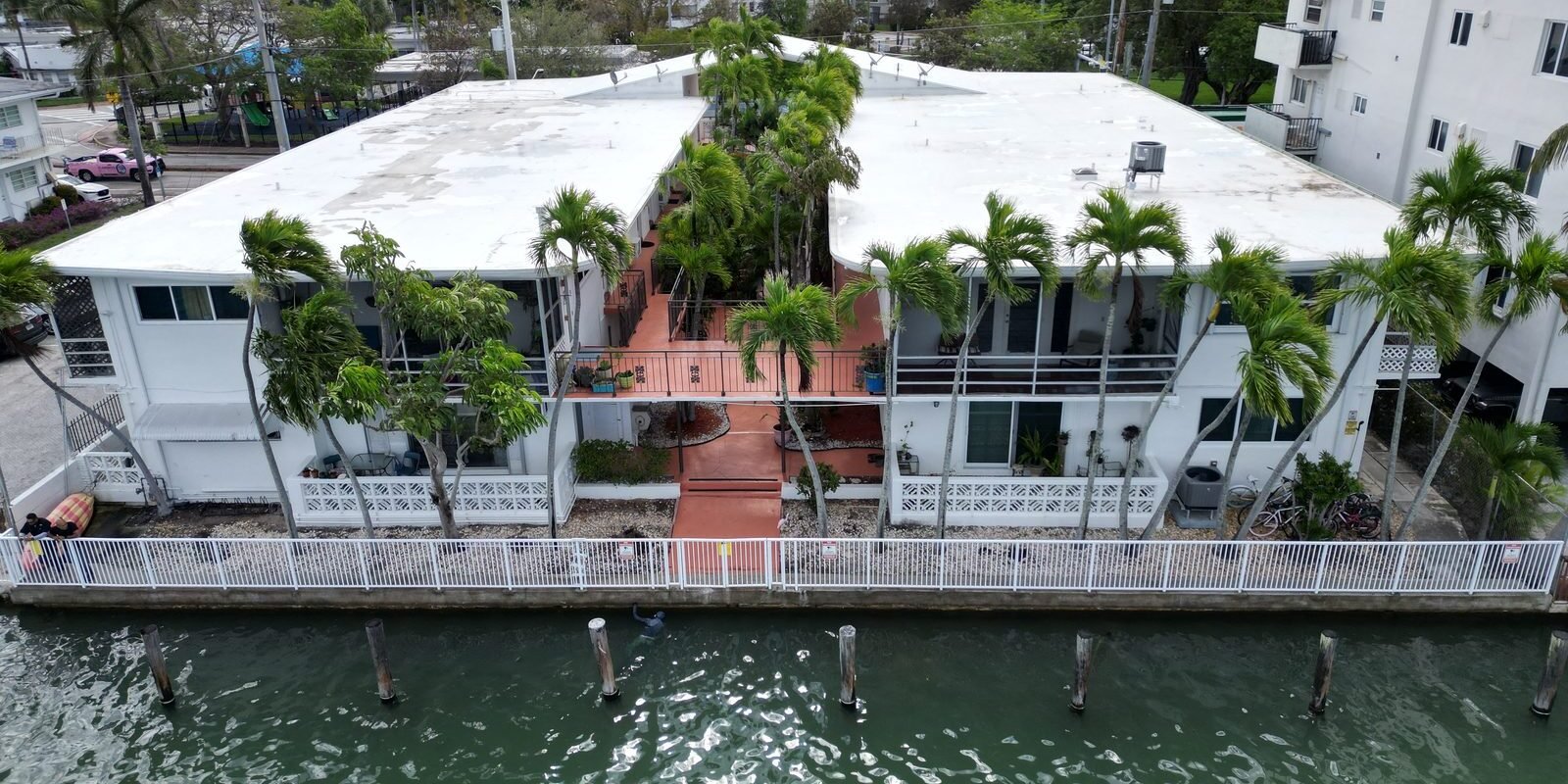
Hire a seawall inspection from a Florida-licensed structural engineer, not from a contractor who is marketing the inspection as a way into the repair job. In Coral Gables and up and down the Biscayne Bay corridor, the person who writes the report should have no financial stake in what the report says. Souffront Contractors builds its inspection process around that separation: an engineer signs the findings, and you decide who does the repair work afterward.
Key takeaways
- A seawall contractor’s walk-through is a sales estimate — it tells you what work they want to sell, not what’s structurally wrong.
- A structural engineer’s inspection produces a sealed, standalone report that holds up for insurance, a sale, or a permit application — regardless of who ends up doing the repair.
- A standard residential structural inspection in South Florida typically runs $1,500–$3,000 depending on complexity, quoted before any site visit — not priced by the foot.
- If a contractor’s “inspection” comes back recommending full replacement with no written findings behind it, get a second opinion from an engineer before signing anything.
- Florida law requires anyone recommending repair work to disclose if they also intend to bid on that work — ask for that disclosure in writing.
What a seawall contractor’s walk-through actually looks for
Call five seawall contractors in Coconut Grove or Belle Isle and most will come out, walk the cap, maybe poke a screwdriver into a soft spot, and hand you a number. That’s not a defect — it’s how contractors are built to operate. They’re pricing a job, not writing a diagnosis.
The problem is what that walk-through leaves out. A contractor isn’t typically checking soil retention behind the panels, measuring cap deflection, or evaluating whether the tiebacks are still doing their job below grade. They’re looking for visible damage they can quote a fix for. A wall can look fine above the waterline and still be losing soil behind it — that’s the part a sales walk-through misses almost every time.
What a structural engineer’s inspection covers instead
A Florida-licensed structural engineer inspects the wall as a system: the cap, the panels, the piles, the tiebacks, the drainage, and the soil behind it — above and below the waterline. The output isn’t a quote. It’s a sealed report with a condition rating for each component, backed by photos and, where warranted, an underwater or below-grade assessment.
That report stands on its own. An insurer, a title company, a buyer’s engineer, or a condo board can read it and trust the findings weren’t shaped by what the inspector hoped to sell next. If you’re near Key Biscayne or Sunny Isles Beach and the wall separates a six-figure structure from the bay, that independence is worth more than a same-day number.
Where a special inspector fits in
On larger or commercial marine structures, a special inspector may also be required during construction — someone who verifies specific work (pile driving, tieback torque, concrete placement) meets the permitted design as it happens, not after the fact. That role is distinct from the initial condition assessment, but it runs on the same principle: the person checking the work shouldn’t be the person who did it.
Why the financial-interest question matters
Florida requires anyone recommending repair or replacement work to disclose, in writing, whether they or a related party intend to bid on that work. A seawall contractor pitching an inspection and a repair quote in the same visit has an obvious interest in finding something to fix. That doesn’t make every contractor dishonest — it means the incentive exists, and a homeowner or board has no way to separate a real finding from a sales opportunity without an independent report to check it against.
Souffront is both an engineering firm and a seawall contractor — one company that inspects, engineers, permits, and builds. When that’s the case, the disclosure goes the other way: if a board or homeowner wants the inspection only, with no interest in who performs any resulting repair, that’s stated in writing up front, before the engineer sets foot on the dock.
Signs it’s time for an engineer, not another estimate
- A visible lean, bulge, or rotation in a cap or panel — this is a structural symptom, not a cosmetic one.
- Soil settling or sinkholes forming in the yard near the wall, which usually means soil loss behind the panels.
- Rust staining bleeding through concrete, which points to corroding rebar inside the structure.
- A real estate transaction, refinance, or insurance renewal that requires a documented, sealed condition report.
- Three contractors gave three different repair scopes and three different prices, and none of them agree on what’s actually wrong.
What an engineer-led inspection costs
A standard residential seawall repair project is priced per linear foot once the scope is known — moderate repairs generally run $100–$250 per linear foot, with full panel or tieback replacement closer to $400–$600 per linear foot, as a general range. The inspection itself is different: it’s a flat fee, typically $1,500–$3,000 depending on the complexity of the wall and whether a below-waterline assessment is needed, quoted before the engineer ever arrives on site. If a wall on Sunset Island or in Coral Gables needs a closer look, the fee for finding that out shouldn’t change with how many feet of wall there are to walk.
Talk to a Florida-licensed engineer
If you’re weighing a contractor’s walk-through against an engineer-sealed report, start with the report. Souffront’s structural engineers inspect, document, and seal findings you can hand to an insurer, a buyer, or your board — with a same-business-day response and a flat fee quoted before the visit. The form below gets a licensed engineer looking at your wall.
Frequently asked questions
Can a seawall contractor legally inspect my wall instead of an engineer?
A contractor can look at a wall and give an opinion, but that opinion isn’t a sealed engineering report and generally won’t satisfy an insurer, a title company, or a permitting agency that requires a licensed structural assessment. For anything beyond a casual look, a Florida-licensed structural engineer’s report is the document that holds up.
How do I know if a contractor has a financial interest in my inspection results?
Ask directly, and ask for it in writing. Florida requires disclosure when the party recommending repairs also intends to bid on the work. If a contractor won’t put that disclosure in writing, treat the inspection findings as a sales estimate, not an independent assessment.
What does a structural engineer check that a contractor usually doesn’t?
An engineer evaluates the full system — cap, panels, piles, tiebacks, drainage, and soil retention behind the wall, often including a below-waterline review — and rates each component’s condition in a sealed report. A contractor’s walk-through is typically limited to what’s visible above the waterline and what they’re prepared to quote a fix for.
How much does an engineer-led seawall inspection cost?
A standard residential structural seawall inspection typically runs $1,500–$3,000, depending on the wall’s complexity and whether a below-waterline dive assessment is required. It’s a flat fee quoted before the site visit, not a per-linear-foot charge — per-linear-foot pricing applies to repair and replacement work, not to the inspection.
Is it a problem if the same company inspects my wall and also does repairs?
It’s not a problem if the financial interest is disclosed in writing and the owner has the option to use the inspection report with any contractor they choose. The issue isn’t one company doing both — it’s an undisclosed incentive shaping what the inspection finds.
What should I do if three seawall contractors gave me three different diagnoses?
Get an independent structural engineer’s inspection before choosing a repair scope. A sealed report with component-by-component findings gives you a single, documented baseline to evaluate every contractor’s bid against, instead of guessing which estimate is closest to the truth.
Does Florida regulate who can call themselves a structural engineer?
Yes. Structural engineers practicing in Florida must hold a state license, and the Florida Building Code governs the standards their work and any related permitting must meet. A seawall contractor’s license covers construction, not engineering review — they’re different credentials for different parts of the job.
Do I need an engineer’s inspection before listing a waterfront property for sale?
It’s not legally required in most cases, but a sealed structural inspection report gives a buyer’s lender or insurer documented proof of the wall’s condition, which can prevent a deal from stalling late in the process over an undocumented concern a buyer’s inspector raises.
Souffront is a licensed seawall contractor and marine contractor in Florida that is also the engineer of record — the firm inspects, engineers, permits and builds the fix.
About Souffront Contractors Inc.: a Florida-licensed structural engineering and marine construction firm serving Miami-Dade, Broward, and Palm Beach counties. Reach a licensed seawall contractor in Boca Raton and across Palm Beach County — see our seawall contractors page or call (877) 420-7220.
Got a seawall or structural question?
Five fields. Same business day from a Florida-licensed engineer, routed into our dispatch CRM in real time.
- Same business dayAcknowledgment from a Florida licensed engineer — Mon–Fri 8 AM–5:30 PM.
- Engineer-sealed reportAccepted by carriers, building departments, and real-estate transactions.
- Fixed-fee proposalNo hourly billing. Repair scope priced line-by-line.