
What Lies Below: Underwater Seawall Inspection Findings
A diver or underwater camera finds seawall damage no dock walk can see. Here's what an underwater seawall inspection reveals in Coral Gables, and what it costs.
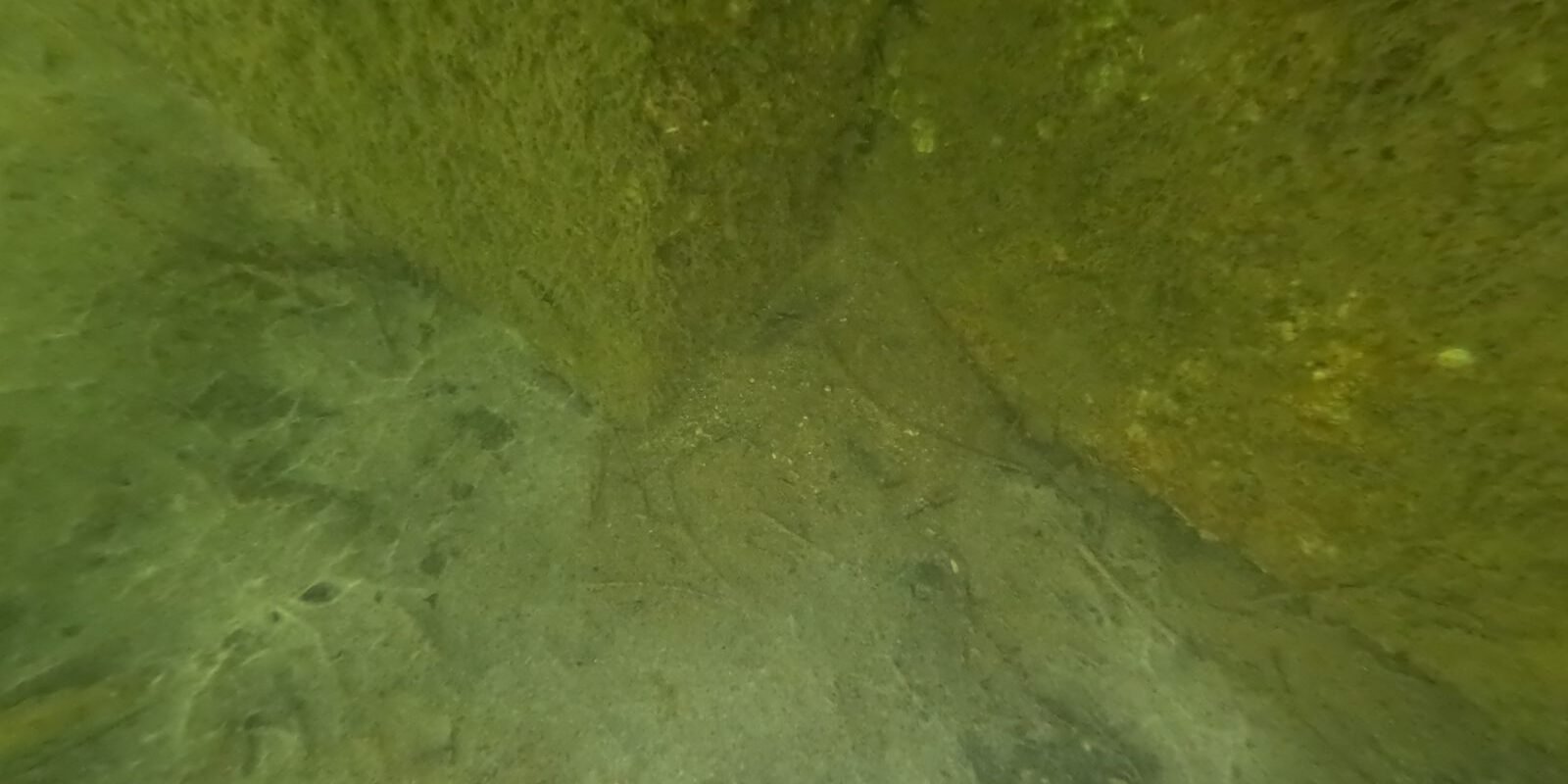
From the dock, a seawall along a Coral Gables canal can look solid — clean cap, straight line, no visible cracks. An underwater seawall inspection, where a diver or an underwater camera works the wall below the waterline, often tells a different story, because most structural failure starts below the mudline where nobody standing in the yard can see it. Souffront Contractors has pulled divers out of Biscayne Bay canals to find panels bowed six inches that looked perfectly straight from above the cap.
A standard above-water seawall inspection checks the cap, the exposed face, drainage, and visible cracking. It cannot check the eight or ten feet of panel sitting underwater, or the soil behind and beneath it. That’s where the risk that actually matters usually lives.
Key takeaways
- Most structural damage in a seawall starts below the waterline, at the buried toe and panel face a dock-level walk-through can’t reach.
- An underwater seawall inspection adds to the above-water findings rather than replacing them — a Florida-licensed structural engineer compares both before writing a report.
- Common findings below the waterline: panel bowing or rotation, scour (soil loss) at the toe, exposed or corroded tiebacks, and spalling hidden under marine growth.
- Marine growth — barnacles, oysters, algae — can mask cracked or corroded concrete for years; a diver has to physically clear it to see what’s underneath.
- A full inspection, including underwater review when the wall needs it, is a flat fee — typically $1,500–$3,000 depending on complexity — never priced by the linear foot.
What the dock view misses
A seawall panel is typically eight to twelve feet tall, but only the top two or three feet sit above the water. The rest — the panel face, the joints between panels, and the toe where the wall meets the canal bottom — is submerged. The toe is the base of the wall, the point where the structure resists the soil pressure pushing from the land side. If soil washes out from under the toe, called scour, the wall loses its footing even while the cap above stays level and unmarked.
In Key Biscayne and along the Coral Gables waterway, tidal flow and boat wake move sediment constantly. That movement can carve voids behind a panel that never show up as a crack on the visible face — until the wall finally rotates or kicks out.
What a diver or underwater camera actually finds
Panel bowing and rotation
Soil pressure on the land side pushes the buried panel outward over time. On the surface, the cap might still look straight because the top of the wall is braced differently than the middle. Underwater, a diver runs a hand down the face and feels the bow a camera alone might miss in murky water.
Toe scour and voids behind the wall
Scour at the toe, and voids behind the panel where soil has washed through a failed joint, are the two most common drivers of eventual collapse. Neither is visible from a boat or a dock.
Tieback and anchor corrosion
A tieback is the buried steel rod that connects the wall to an anchor further inland, holding the wall against soil pressure. Saltwater intrusion corrodes steel tiebacks from the inside out. A diver can check the tieback plate and the upper run of rod near the wall; full tieback condition usually requires excavation on the land side, not the water side.
Marine growth hiding the real condition
Barnacles, oysters, and algae build up fast on a submerged concrete or coral-rock face. A camera pass over a growth-covered wall can miss a crack running right under the growth. That’s why a real underwater inspection includes physically clearing sample areas, not just filming through the growth.
Diver or camera — how Souffront decides which one
Water clarity in a Biscayne Bay canal changes with tide and recent rain. On a clear day, a pole-mounted underwater camera can document the panel face, joints, and visible tieback plates efficiently. In low-visibility water — common after heavy rain or on an outgoing tide stirring sediment — a diver working by feel is the only way to get a reliable read on panel condition, because a camera in zero-visibility water documents nothing useful.
The engineer also decides based on what the above-water inspection already flagged. A wall with no visible cracking and a straight cap might only need a camera pass to confirm the toe and joints. A wall with a leaning cap, visible rotation, or a reported soft spot usually needs a diver.
Why the cap can look fine while the wall is failing
This is the scenario that catches owners off guard. A seawall can sit for years with a clean, level cap while scour slowly removes the soil supporting the toe. The wall is still standing because the cap and upper panel are still braced by what’s left. Then a hard rain event or a king tide finishes the job the scour started, and the wall moves all at once — not gradually. By the time a crack shows up on the visible face, the underwater damage behind it is usually much older and further along than the crack suggests.
What underwater findings mean for repair cost
Underwater findings are what separate a maintenance item from a structural one. A hairline crack with no scour and no tieback corrosion might only need monitoring. Scour at the toe or a rotated panel changes the scope to seawall repair — and the repair, not the inspection, is where linear-foot pricing applies. General industry ranges for South Florida: moderate panel or cap repair runs roughly $100–$250 per linear foot; full panel and tieback replacement runs roughly $400–$600 per linear foot. Tieback or panel replacement work typically requires a special inspector to observe and document the work as it’s performed, per Florida Building Code requirements for this type of structural repair.
Ask any seawall contractor who has excavated a toe that looked fine from the cap — the underwater inspection is usually the reason the scope of work changed before the first shovel went in the ground.
How Souffront prices an underwater inspection
A seawall inspection, underwater review included when the wall warrants it, is quoted as a flat fee before any site visit — typically $1,500–$3,000 for a standard residential structural inspection. It is never priced per linear foot of wall. The fee reflects the complexity of the inspection: access to the water, water clarity and whether a diver is needed versus a camera, the number of structural components to check (cap, panel, tieback, drainage), and the scope of the written report. Wall length is one minor factor among several, not the basis for the price.
Talk to a Florida-licensed engineer
If your seawall’s cap looks fine but you haven’t had anyone look below the waterline, that’s the gap worth closing before a storm or a king tide closes it for you. Souffront sends a Florida-licensed structural engineer, not a salesman, to inspect above and below the water and deliver a signed, sealed report with a fixed fee quoted upfront. Most requests get a same-business-day response. The form below gets you started.
Frequently asked questions
What does an underwater seawall inspection actually check?
It checks the submerged portion of the wall: the panel face below the waterline, the joints between panels, the toe where the wall meets the canal or bay bottom, and any visible tieback plates. It’s done with a diver, an underwater camera, or both, depending on water clarity and what the above-water inspection already found.
Do I need a diver for every seawall inspection?
No. A wall with a straight cap and no visible cracking often only needs a camera pass to confirm the toe and joints are clear. A wall with leaning, rotation, or reported soft spots usually needs a diver working by feel, especially in low-visibility water.
How much does an underwater seawall inspection cost?
It’s included in the overall inspection fee, not priced separately or by the linear foot. A standard residential seawall inspection, underwater review included when needed, typically runs $1,500–$3,000 depending on complexity, quoted before the site visit.
Why does my seawall cap look fine if there’s damage below?
The cap and upper panel can stay level and intact for years while scour removes the soil supporting the toe underneath. The wall doesn’t show visible failure until the support holding it has already been compromised, which is why a visual check from the dock misses the real condition.
What is scour, and why does it matter?
Scour is soil loss at the base of the wall, caused by tidal flow, boat wake, or stormwater discharge. It removes the support the toe relies on to resist soil pressure from the land side. Scour is one of the leading causes of eventual seawall rotation or collapse, and it’s invisible without an underwater check.
Can marine growth hide real damage?
Yes. Barnacles, oysters, and algae build up on a submerged wall face quickly and can cover a crack or corroded area for years. A proper underwater inspection includes clearing sample sections of growth to check the concrete or coral-rock underneath, not just photographing through it.
How often should a waterfront property get an underwater inspection?
There’s no fixed interval set by regulation for private seawalls outside condo association requirements. As a practical guide, a wall with no known issues benefits from a full inspection, above and below the waterline, every few years, and sooner after a major storm, a nearby dredging project, or any visible change in the cap or panel.
Does Miami-Dade require permits for underwater seawall repair?
Seawall repair and replacement in Miami-Dade generally requires permitting through Miami-Dade DERM and, depending on scope, the Florida Department of Environmental Protection. An inspection report documenting the underwater condition is typically the first document needed to start that permitting process.
Related from Souffront Contractors: dock repair — all delivered by the same Florida-licensed structural engineering and marine construction team. Call (877) 420-7220.
About Souffront Contractors Inc.: a Florida-licensed structural engineering and marine construction firm serving Miami-Dade, Broward, and Palm Beach counties. Work with a Florida-licensed seawall contractor who is also the engineer of record — see our seawall contractors page or call (877) 420-7220.
Got a seawall or structural question?
Five fields. Same business day from a Florida-licensed engineer, routed into our dispatch CRM in real time.
- Same business dayAcknowledgment from a Florida licensed engineer — Mon–Fri 8 AM–5:30 PM.
- Engineer-sealed reportAccepted by carriers, building departments, and real-estate transactions.
- Fixed-fee proposalNo hourly billing. Repair scope priced line-by-line.