
What Venetian Islands Seawall Repair Actually Involves
Venetian Islands seawall repair, explained by the engineer who inspects them: what fails first, real repair costs, and the permit steps owners skip.
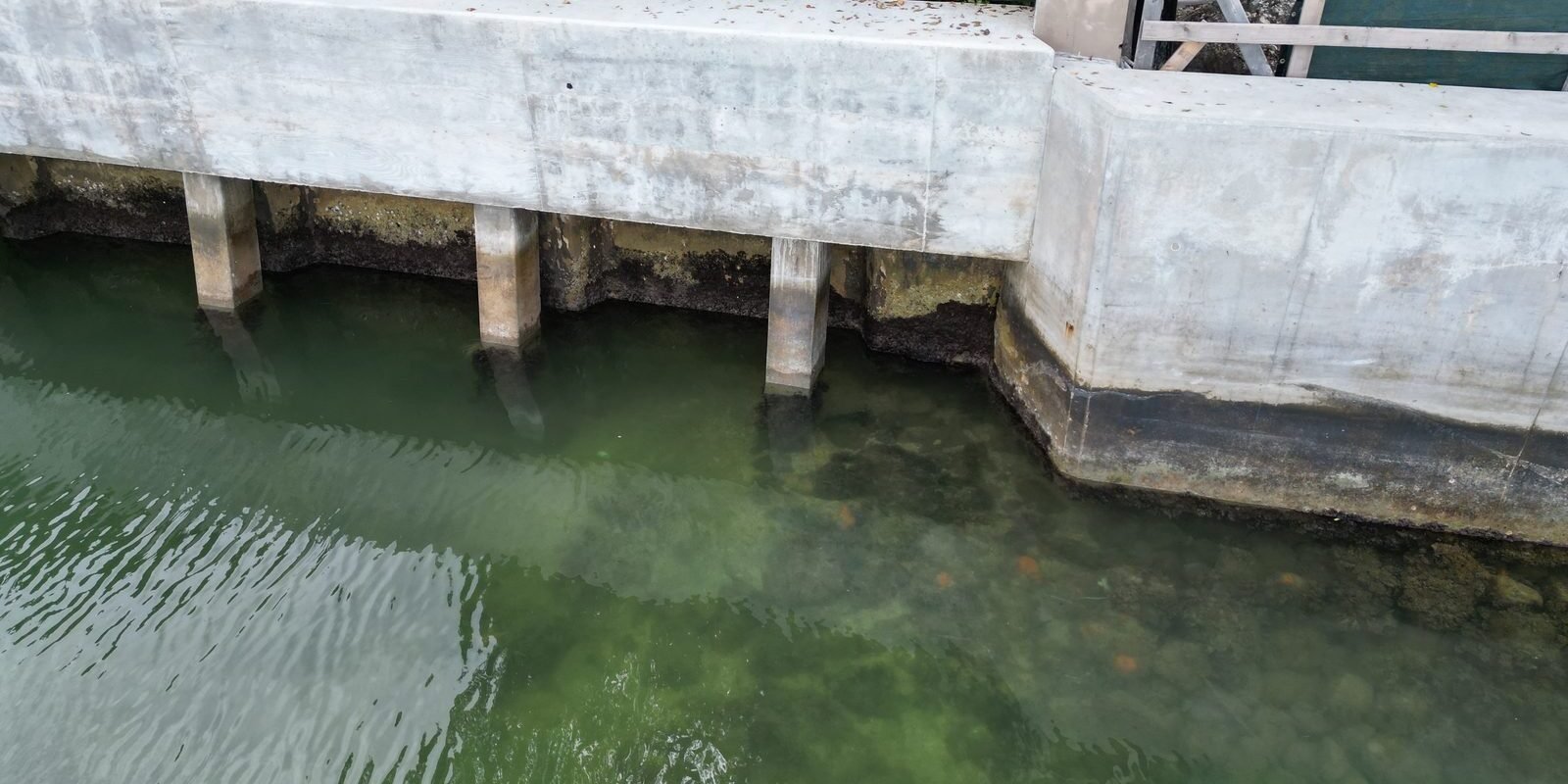
Venetian Islands seawall repair almost always starts the same way: a homeowner notices a crack in the cap or a soft spot in the yard near the water and waits a season before calling anyone. On these six fill islands between Miami and Miami Beach, that wait costs more than it does on the mainland, because the walls here take tidal push from both sides of the causeway. Souffront Contractors inspects and repairs seawalls across this stretch of Biscayne Bay, and the pattern on the Venetian Islands is consistent enough to describe before we ever step on your property.
Key takeaways
- Venetian Islands seawalls sit on fill land placed in the 1920s, and many original walls were rebuilt or capped in the 1950s-60s — age matters more here than almost anywhere else in Biscayne Bay.
- Boat wake and tidal exchange hit these walls from both the Grand Canal side and the outer bay side, accelerating erosion behind the cap on narrower lots.
- Typical South Florida seawall repair costs run roughly $100-$250 per linear foot for moderate work and $400-$600 per linear foot for full panel and tieback replacement — these are general repair ranges, not a quoted price.
- Miami-Dade DERM and the City of Miami Beach both require permits for seawall work on the islands, and DERM review adds time that owners should plan around.
- A structural engineer inspection before you get bids tells you whether you’re looking at a cap repair or a full rebuild — skipping it is the most expensive shortcut on the islands.
What we actually find on Venetian Islands seawalls
Di Lido, San Marco, San Marino, Rivo Alto, and the rest of the chain were built on dredged fill starting in the 1920s. A lot of the original bulkheading has been replaced at least once, but plenty of properties still carry sections from that second generation of construction — meaning some of these walls are 60 to 70 years old.
On site, the recurring findings are:
- Cap cracking along the seam where old and newer sections meet. Different pours, different rebar placement, different rates of settlement.
- Voids behind the cap on the Grand Canal side, where wake from boat traffic pushes water behind the panel on the outgoing tide and pulls soil out with it.
- Rust staining bleeding through the concrete face, which tells us the rebar cover is thin or cracked and corrosion has already started, even before the panel shows a structural crack.
- Panels that have rotated a few degrees toward the water on lots where the original tiebacks have corroded through and are no longer holding.
None of this is unique to these islands, but the exposure on both sides of narrower lots means problems tend to show up on both the canal frontage and the yard side within a few years of each other, not decades apart.
Signs it’s time to call a seawall contractor
You don’t need to be an engineer to catch the early warnings. Walk your seawall and look for:
- A crack in the cap wider than a pencil, or one that’s grown since last hurricane season
- Soil settling in a strip along the top of the wall, or a soft spot that wasn’t there last year
- Standing water in the yard after a normal high tide, not just a king tide
- Any visible lean or bulge in a panel when you look down the wall’s length
- Rust streaks running down the face of the cap or panels
Any one of these is a reason to bring in a seawall contractor who can also read the structural side of the problem, not just patch what’s visible.
What Venetian Islands seawall repair costs
Repair pricing on the islands follows the same general ranges as the rest of Biscayne Bay, driven by scope rather than address. Cap patching and minor panel repair typically run $100-$250 per linear foot. Full panel replacement with new tiebacks — the fix for a wall that’s already rotated or lost significant soil behind it — typically runs $400-$600 per linear foot. These are general South Florida repair ranges, not a fixed Souffront quote; every project gets scoped and priced after a site visit, because tieback depth, access for equipment, and how much of the wall is affected all move the number.
A seawall inspection from a Florida-licensed structural engineer is what separates a $15,000 cap repair from a $150,000 full rebuild — it tells you which one you actually have before you start collecting bids.
The permit step owners underestimate
Seawall work on the Venetian Islands needs sign-off from both the City of Miami Beach building department and Miami-Dade DERM, since the islands sit within DERM’s coastal jurisdiction. Work also has to meet the wind and structural provisions of the Florida Building Code for this High-Velocity Hurricane Zone. DERM review can add real time to a project timeline, especially if the repair scope changes once the contractor gets below the waterline — plan for that instead of being surprised by it partway through.
Repair vs. rebuild: what actually decides it
The deciding factor isn’t the crack you can see — it’s what’s happening behind the wall. A cap crack with solid soil behind it and intact tiebacks is a repair. A cap crack over a void, or a panel that’s already rotated, means the tiebacks or the panel itself have failed and a section needs full replacement. This is also where marine construction experience matters: a firm that only inspects can tell you something is wrong, but a firm that also does marine construction can tell you what it takes to fix it and build to that scope directly.
Talk to a Florida-licensed engineer
If you’re seeing any of the signs above on a Venetian Islands property, get a structural engineer on the wall before you get a contractor’s bid. Souffront Contractors inspects, engineers, permits, and builds seawall repairs across Miami-Dade and Broward, including Miami Beach and the surrounding islands, and quotes every repair project after seeing the site — not before. Call (877) 420-7220 or use the form below to get a visit scheduled.
Frequently asked questions
How much does seawall repair cost on the Venetian Islands?
Moderate cap and panel repairs typically run $100-$250 per linear foot, and full panel and tieback replacement typically runs $400-$600 per linear foot. These are general South Florida repair ranges; actual pricing depends on wall condition, access, and tieback depth, and is quoted after a site visit.
Why do seawalls on these islands fail faster than mainland walls?
The Venetian Islands are fill islands with narrower lots exposed to wave and wake action on more than one side. Boat traffic on the Grand Canal and tidal exchange from the outer bay both push against these walls, accelerating erosion behind the cap compared to a wall with a single exposed face.
Do I need a permit to repair my seawall in Miami Beach?
Yes. Seawall repair on the Venetian Islands requires permits from the City of Miami Beach and review by Miami-Dade DERM because the work falls within DERM’s coastal jurisdiction. Plan for DERM review time in your project schedule.
How do I know if I need a repair or a full rebuild?
It depends on what’s happening behind the cap, not just what’s visible on the surface. A structural engineer inspection checks for voids, tieback condition, and panel movement to determine whether the wall needs localized repair or full section replacement.
What are the first signs my seawall is failing?
Cracking in the cap, soil settling along the top of the wall, standing water in the yard after a normal high tide, a visible lean in a panel, and rust staining bleeding through the concrete are the earliest visible signs.
Can boat wake really damage a seawall?
Yes. Repeated wake action on the Grand Canal side pushes water behind the cap on the outgoing tide and draws soil out with it, creating voids that eventually let the panel settle or rotate. This is more pronounced on narrower island lots than on open-bay frontage.
Who do I call for seawall repair near the Venetian Islands?
Look for a seawall contractor that also has a Florida-licensed structural engineer on staff, so the same firm that diagnoses the problem can scope, permit, and build the repair. That avoids a gap between what an inspection report recommends and what a contractor is willing to bid.
How long does a typical seawall repair take once permitted?
Once DERM and city permits are issued, most panel and tieback repair projects on a residential lot take a few weeks of active construction, though full replacement of longer wall sections takes longer depending on access and equipment staging.
About Souffront Contractors Inc.: a Florida-licensed structural engineering and marine construction firm serving Miami-Dade, Broward, and Palm Beach counties. Arrange a seawall inspection in Broward County with same-week scheduling — see our seawall contractors page or call (877) 420-7220.
Got a seawall or structural question?
Five fields. Same business day from a Florida-licensed engineer, routed into our dispatch CRM in real time.
- Same business dayAcknowledgment from a Florida licensed engineer — Mon–Fri 8 AM–5:30 PM.
- Engineer-sealed reportAccepted by carriers, building departments, and real-estate transactions.
- Fixed-fee proposalNo hourly billing. Repair scope priced line-by-line.