
What Should a Weekly Seawall Project Report Include?
What a weekly seawall project report should include: dated site photos, pay app checks, and open change orders a Coral Gables board can verify before paying.
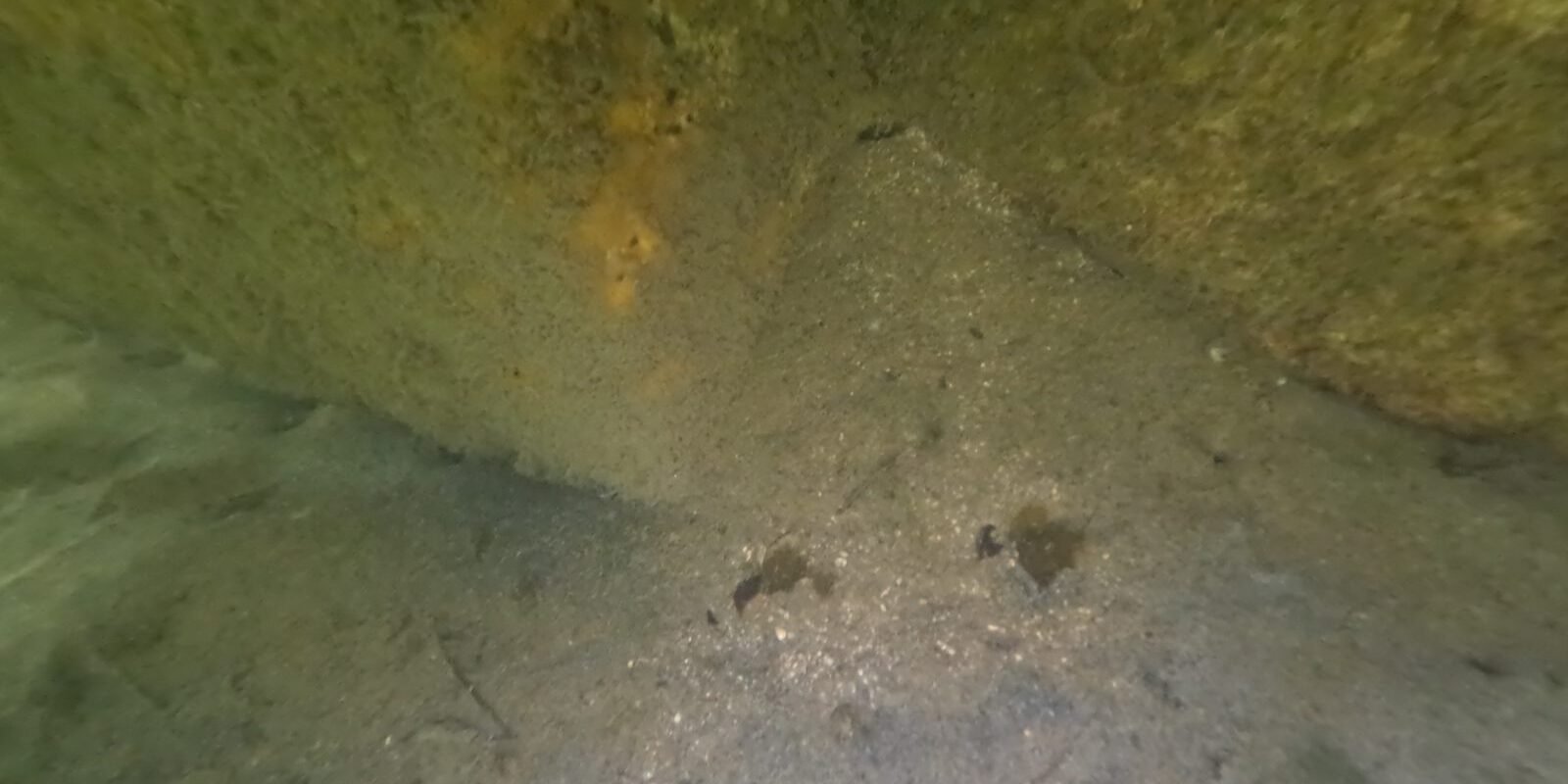
A weekly seawall project report should show the board four things: dated site photos tied to a specific scope item, a pay application checked against what is actually built, the status of every open change order and RFI, and next week’s schedule. Engineer-led construction management exists to produce exactly that report, every week, instead of letting a condo or HOA board guess. At Souffront Contractors, boards along the Biscayne Bay corridor — Coral Gables, Coconut Grove, Key Biscayne — get that report as a standing Friday deliverable on every seawall job we oversee.
Key takeaways
- A complete weekly seawall report ties every photo to a specific line item in the scope of work, not a general “progress” caption.
- Pay applications should be checked against what is physically built before a board approves payment — not against the percentage the contractor claims.
- Every open RFI and change order needs a one-line status: pending, approved, or denied, with the dollar amount attached.
- Site observation should be logged at named milestones — tieback installation, cap pour, backfill — not a general “site visited” note.
- The report should name who wrote it and what Florida license backs it, so the board knows whose judgment it is relying on.
What a complete weekly report actually contains
Most “progress reports” boards get are a folder of phone photos with no captions and a one-line email: “things are moving along.” That tells a board nothing it can act on. A report built for oversight has four parts, every week, no exceptions.
Site photos that prove something
A useful photo is labeled with the date, the location along the wall (by panel number or station), and the scope item it documents — “Panel 14–18, tieback rods set and torqued, 10/9.” A photo with no caption is a photo you can’t act on six weeks later when a dispute comes up.
Pay application versus work completed
Contractors bill by percentage complete. A board has no way to check that percentage against the wall unless someone who reads drawings walks the job and compares the invoice to what’s actually in the ground. This is the single most common place money leaks on a seawall job — paying for backfill that covers work no one verified first.
Open RFIs and change orders
Every change order should arrive in the weekly report with three facts: what changed, why (a documented differing condition, or a gap in the original bid), and the dollar amount. A board that sees change orders only when it’s time to sign the check has no way to push back.
Why this isn’t the contractor’s job to write
This role goes by a few names — owner’s representative, owner’s agent, construction manager, project manager. All of them mean the same thing: one person, answering to the board and not to the contractor, who is the single point of contact for the job. A seawall repair contractor’s job is to build. A structural engineer acting as the board’s representative reads the drawings, checks the work against them, and tells the board the truth about what’s happening — including when the news is bad.
Souffront both performs seawall construction and offers this oversight role. When a board hires us for construction management only, that’s disclosed in writing up front, and any interest Souffront has in bidding the repair work itself is disclosed the same way. A board can hire us purely to watch its contractor.
What it looks like when nobody is checking
Here’s the failure mode, and it’s not rare: a contractor backfills a section of wall before the tieback rods are torqued to spec, because the crew is ahead of schedule and no one with a torque wrench and a set of drawings is standing there to stop them. Six months later the wall moves two inches at that section. Digging it back out to fix it costs more than doing it right the first time would have — often tens of thousands of dollars on a mid-size job — and the board is now explaining to 200 owners why the “finished” seawall needs more money.
A weekly report with named milestones and dated photos is what prevents that conversation from ever happening.
Site observation at the milestones that matter
Not every hour on a seawall job needs an engineer present, but a handful of milestones do: tieback and anchor installation, reinforcing steel placement before a pour, the cap pour itself, and backfill. On jobs where the scope requires it, a special inspector documents code-mandated inspection points separately from this reporting, and permit sign-off from the local building department or Miami-Dade DERM gets logged in the same weekly report so the board always knows where the permit stands, not just where the concrete stands.
Canal-front HOAs in Coconut Grove and similar waterfront associations run into this constantly: the permit timeline and the construction timeline aren’t the same clock, and a board that only tracks one of them gets surprised by the other.
Talk to a Florida-licensed engineer
If your board is running — or about to start — a seawall construction job with no one on your side reading the drawings, that’s a gap worth closing before the first change order shows up. Souffront Contractors scopes and quotes construction management per project, before work starts, so there’s no surprise fee attached to the oversight itself. Call (877) 420-7220 or fill out the form below and a structural engineer will respond the same business day.
Frequently asked questions
What should be included in a weekly seawall project report?
A complete weekly report includes dated, labeled site photos tied to specific scope items, a pay application checked against work actually completed, the status and dollar amount of every open RFI and change order, and the schedule for the following week. It should also name who wrote it.
Who should write the weekly report on a seawall job — the contractor or someone else?
The contractor can supply its own progress notes, but the report the board relies on for payment and oversight decisions should come from someone working for the board, not the contractor. That’s the role of a construction manager or owner’s representative.
What is an owner’s representative on a seawall project?
An owner’s representative — also called an owner’s agent, construction manager, or project manager — is the board’s single point of contact on a construction project. The role observes site work, reviews pay applications and change orders, and advises the board, without supervising the contractor’s means or methods directly.
How much does construction management cost for a seawall project?
Construction management and owner’s-representative oversight is scoped and quoted per project, before work starts — it isn’t a fixed rate like an inspection. The cost depends on project duration, the number of site-observation milestones, and the complexity of the permit process.
What happens if a change order shows up with no one checking it?
Without someone who reads drawings reviewing it, a board has no way to tell a legitimate differing condition from a gap in the original bid that the contractor is now billing as extra. Boards in that position routinely end up paying for scope that should have been included in the original price.
How often should a structural engineer visit a seawall job site?
At minimum, a structural engineer or the board’s representative should be present at defined milestones — tieback installation, reinforcing steel placement, the cap pour, and backfill — rather than on a fixed weekly schedule unrelated to what’s actually happening on site that week.
Can the same company build the seawall and oversee the project?
It can, but the dual role should be disclosed in writing before the board signs anything. A board that wants oversight only, with no construction interest attached, can hire a firm for construction management without that firm bidding the repair work.
Does a weekly report replace the permit inspections required by the local building department?
No. Code-required inspections — whether performed by the building department or a special inspector — are separate from weekly progress reporting. A good weekly report tracks both so the board sees permit status and construction status in the same place.
Related from Souffront Contractors: HOA and condo board compliance reports — all delivered by the same Florida-licensed structural engineering and marine construction team. Call (877) 420-7220.
Souffront works directly with the HOA board, the condo association and the property manager or CAM, delivering the documentation a board needs to act and to show it acted.
About Souffront Contractors Inc.: a Florida-licensed structural engineering and marine construction firm serving Miami-Dade, Broward, and Palm Beach counties. Schedule a professional seawall inspection with a licensed structural engineer — see our seawall contractors page or call (877) 420-7220.
Got a seawall or structural question?
Five fields. Same business day from a Florida-licensed engineer, routed into our dispatch CRM in real time.
- Same business dayAcknowledgment from a Florida licensed engineer — Mon–Fri 8 AM–5:30 PM.
- Engineer-sealed reportAccepted by carriers, building departments, and real-estate transactions.
- Fixed-fee proposalNo hourly billing. Repair scope priced line-by-line.