
Why Seawall Repairs Fail Within Five Years
Most seawall repairs that fail within five years share the same root causes. A Florida-licensed structural engineer explains what goes wrong and how to avoid it.
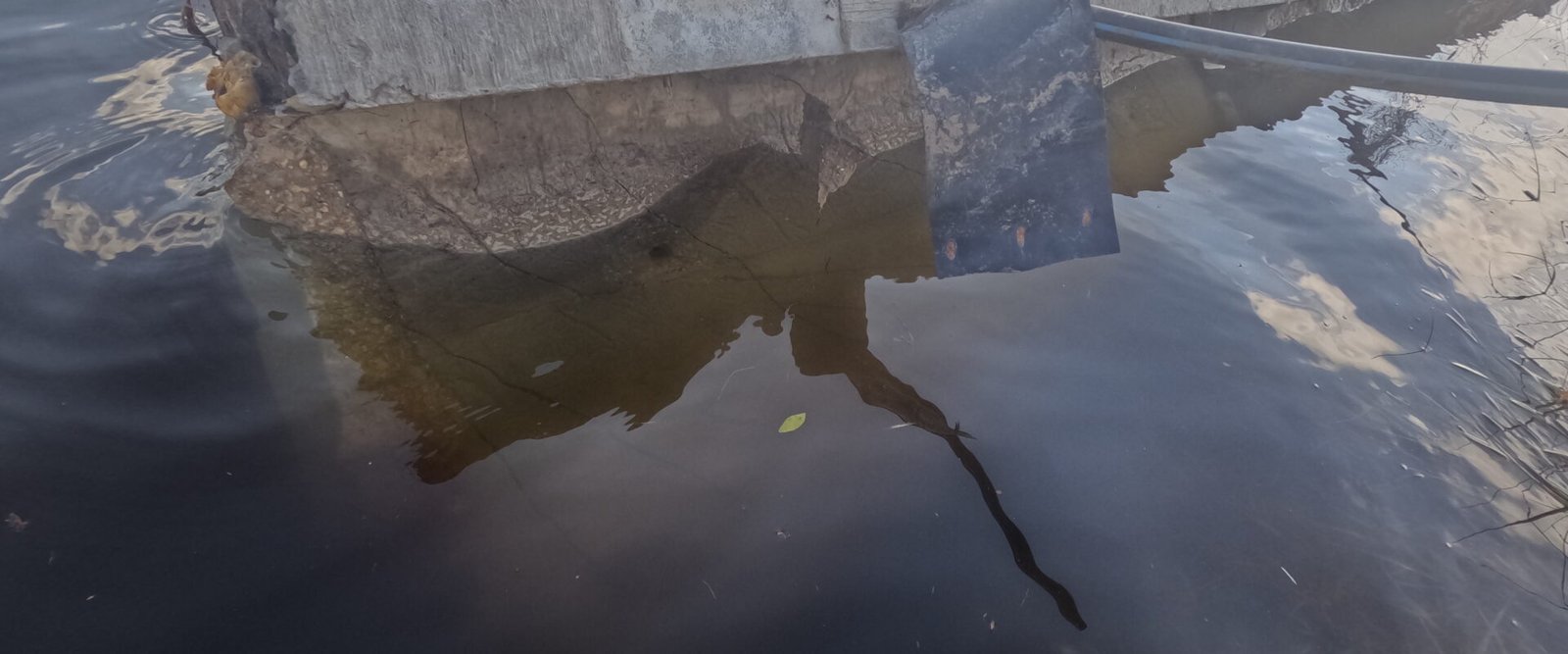
Seawall repairs fail within five years almost always for the same reason: the repair addressed a symptom, not the underlying cause. A patched crack, a new cap poured over a wall still losing backfill soil, or tiebacks installed without proper tensioning will look fine at closeout and fail again within a few storm seasons. Souffront Contractors inspects waterfront property from Coral Gables to Coconut Grove along Biscayne Bay, and the failed “repairs” we get called back to inspect almost always trace to the same handful of construction and design shortcuts.
Key takeaways
- Most early seawall repair failures trace to soil loss behind the wall that was never stopped, not the visible crack that was patched.
- Tiebacks installed without proper torque or corrosion protection are the single most common cause of repeat failure on Biscayne Bay-area walls.
- A repair done without an engineer’s site observation at key milestones has no independent check that the work matches the design.
- Cosmetic patching — new stucco or sealant over a cracked panel — hides deterioration instead of stopping it.
- Repair costs run roughly $100–$250 per linear foot for moderate work and $400–$600 per linear foot for full panel or tieback replacement; a seawall inspection itself is a flat fee, typically $1,500–$3,000 depending on complexity.
The repair fixed what you could see, not what was failing behind the wall
A seawall’s real job is holding back the soil behind it, not just standing upright. When a contractor patches a cracked panel or repours a section of cap without addressing the soil loss driving that crack, the same forces are still at work. Within a few wet seasons and a couple of tropical systems, the patch fails in the same spot — or a new crack opens six feet away.
Soil loss happens through gaps in panel joints, failed weep holes, and voids behind the wall that never get filled during a cosmetic repair. A seawall inspection that actually probes for voids and checks drainage is the only way to know whether a crack is cosmetic or a symptom of something worse.
Tiebacks that were never properly torqued or protected
Tiebacks are the buried anchors that hold a seawall against soil pressure from behind. They are also the single most common point of failure in South Florida repairs, because the work happens underground and is easy to shortcut without anyone noticing until the wall leans again.
- Under-torqued tiebacks leave the wall under-anchored from day one — it looks fine until soil pressure builds after a wet season.
- No corrosion protection on tieback rods lets saltwater intrusion eat through steel in a fraction of its expected life.
- Backfilling before tensioning means no one verified the anchor actually engaged before it was buried and inaccessible.
None of this is visible in a finished photo. It only shows up when someone is standing on site at the moment the tieback is installed — which is exactly the gap a construction manager or special inspector is meant to close.
No independent oversight during construction
On most residential and small commercial seawall jobs, the contractor answers to no one but himself. The engineer who wrote the original inspection report is often gone by the time construction starts, and there’s no one on site checking that the tieback spacing, cap reinforcement, and backfill sequencing match the approved plans.
Florida Building Code requires special inspection on many structural components for exactly this reason — an independent, licensed special inspector verifies the work in the field matches what was permitted, not just what the final invoice describes. A repair with no one checking it at the milestones that matter — tieback installation, cap pour, backfill — is a repair with no way to know if it was actually built to spec.
Materials chosen to win the bid, not to last
Marine-grade rebar, properly rated concrete mix, and corrosion-resistant tieback hardware cost more than standard materials. On a competitively bid job with no engineer comparing scope line by line, the lowest bid sometimes wins by quietly substituting cheaper materials that meet code minimums but not the durability the site actually needs — especially on walls with heavy wave action or brackish water exposure.
A scope of work written by a seawall repair contractor who is also a structural engineer specifies the materials by name and grade, which closes the gap where a low bid can quietly cut corners.
Signs a seawall repair is already failing
- New cracks appearing in a cap or panel repaired within the last two to three years
- Soil settling or a sinkhole forming in the yard near the wall — a sign of ongoing voids behind it
- The wall leaning or bulging outward, even slightly, especially after heavy rain
- Rust staining bleeding through new concrete, indicating corroding rebar underneath
- Water pooling at the base of the wall that wasn’t there before the repair
Any of these within a few years of a repair is worth a follow-up inspection before the next storm season, not after.
What a repair built to actually last looks like
A seawall construction project designed and overseen by a structural engineer treats the visible damage as one data point, not the whole diagnosis. That means probing for soil loss before scoping the repair, specifying tieback torque and corrosion protection in the plans, and having someone on site — not just at closeout — to verify tiebacks are tensioned before backfill goes in. It also means using materials rated for the specific site conditions, not just code minimums.
This is the difference between a contractor who repairs what’s visible and a marine contractor who diagnoses what’s driving the damage before touching the wall.
Talk to a Florida-licensed engineer
If a seawall repair on your property is showing cracks, leaning, or soil loss again within a few years, get a structural engineer’s assessment before paying for another round of patching. Souffront provides an engineer-sealed report with a fixed-fee inspection, typically same-business-day response, so you know exactly what’s actually failing before any repair scope is written. The form below gets you started.
Frequently asked questions
Why do seawall repairs fail within a few years in South Florida?
Most early failures happen because the repair fixed a visible crack or leaning section without stopping the soil loss or tieback problem causing it. The same forces that caused the original damage are still acting on the wall, so the same failure returns within a few wet seasons.
How long should a properly done seawall repair last?
A repair that addresses the root cause — soil loss, tieback condition, drainage — and uses marine-grade materials should last 20 years or more before major work is needed again. A cosmetic patch that ignores the underlying cause can fail within two to five years.
What’s the biggest cause of tieback failure?
Tiebacks that are under-torqued, backfilled before they’re properly tensioned, or installed without corrosion protection on the rod. All three are common on jobs with no independent inspection at the time of installation, because the problem is buried and invisible once construction is complete.
How much does it cost to fix a failed seawall repair?
Moderate repair work typically runs $100–$250 per linear foot; full panel or tieback replacement runs roughly $400–$600 per linear foot. These are general South Florida industry ranges for repair and replacement work, not inspection pricing.
Is a seawall inspection the same price as a seawall repair?
No. A seawall inspection is a flat fee, typically $1,500–$3,000 depending on the complexity of the inspection, quoted before any site visit. Repair and replacement work is priced separately, generally per linear foot, once the scope is known.
Can I tell if my seawall repair is failing just by looking at it?
Sometimes. New cracks, rust staining bleeding through concrete, soil settling near the wall, or the wall leaning are all visible warning signs. But soil loss and tieback problems often start below grade or below the waterline, which is why a follow-up inspection catches issues before they’re visible from the yard.
Do I need a special inspector for a seawall repair?
Florida Building Code requires special inspection on many structural seawall components. A licensed special inspector verifies the work matches the approved plans at the point of construction — tieback tensioning, reinforcement placement, backfill sequencing — rather than relying on a finished photo after the fact.
Does Souffront both inspect and repair seawalls?
Yes. Souffront is one company that inspects, engineers, permits, and builds seawall repairs, which means the person diagnosing the problem has also built the fix. If you engage Souffront for an independent inspection only, any interest in bidding the repair work itself is disclosed upfront in writing.
About Souffront Contractors Inc.: a Florida-licensed structural engineering and marine construction firm serving Miami-Dade, Broward, and Palm Beach counties. Explore our seawall construction and marine construction capabilities — see our seawall contractors page or call (877) 420-7220.
Got a seawall or structural question?
Five fields. Same business day from a Florida-licensed engineer, routed into our dispatch CRM in real time.
- Same business dayAcknowledgment from a Florida licensed engineer — Mon–Fri 8 AM–5:30 PM.
- Engineer-sealed reportAccepted by carriers, building departments, and real-estate transactions.
- Fixed-fee proposalNo hourly billing. Repair scope priced line-by-line.